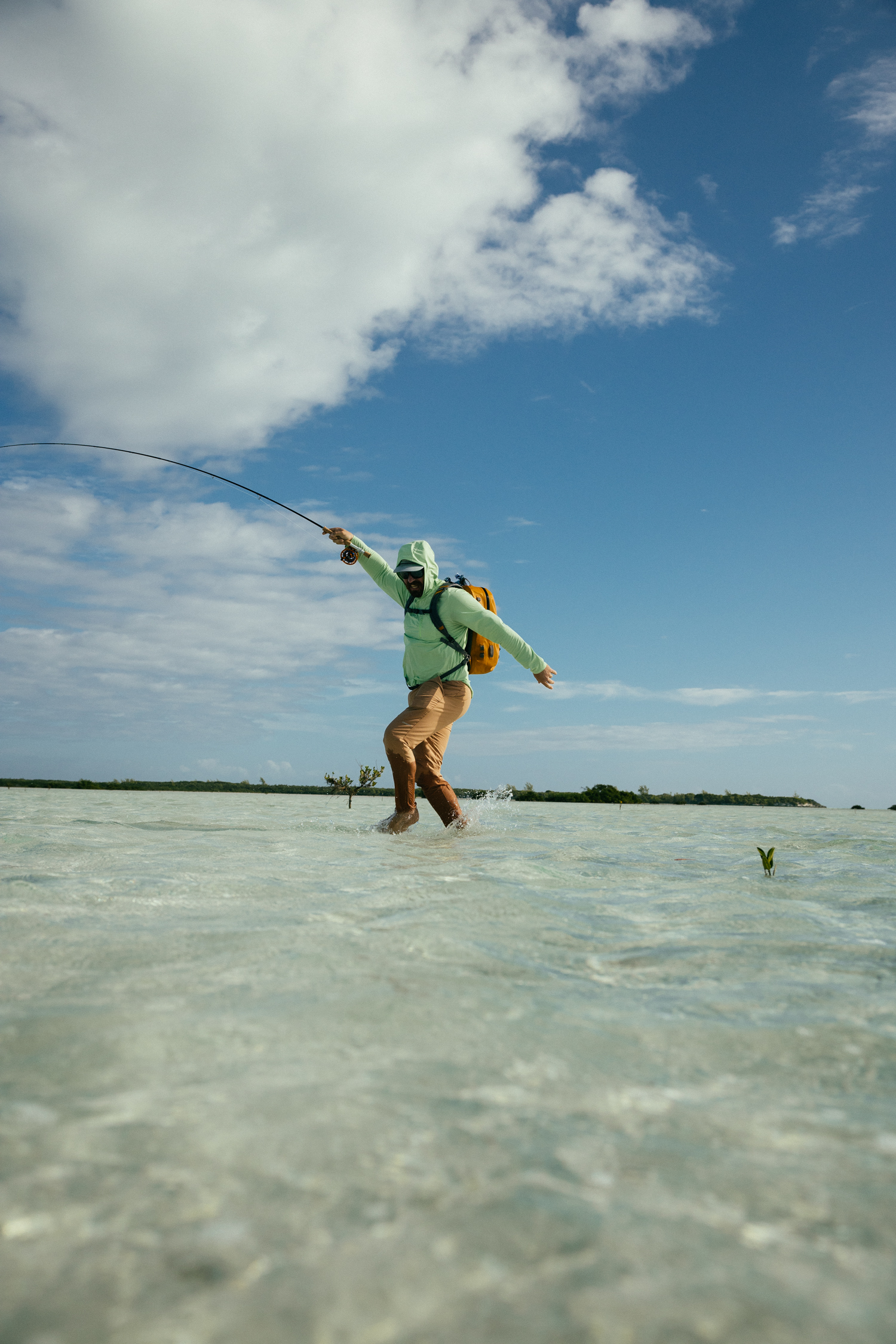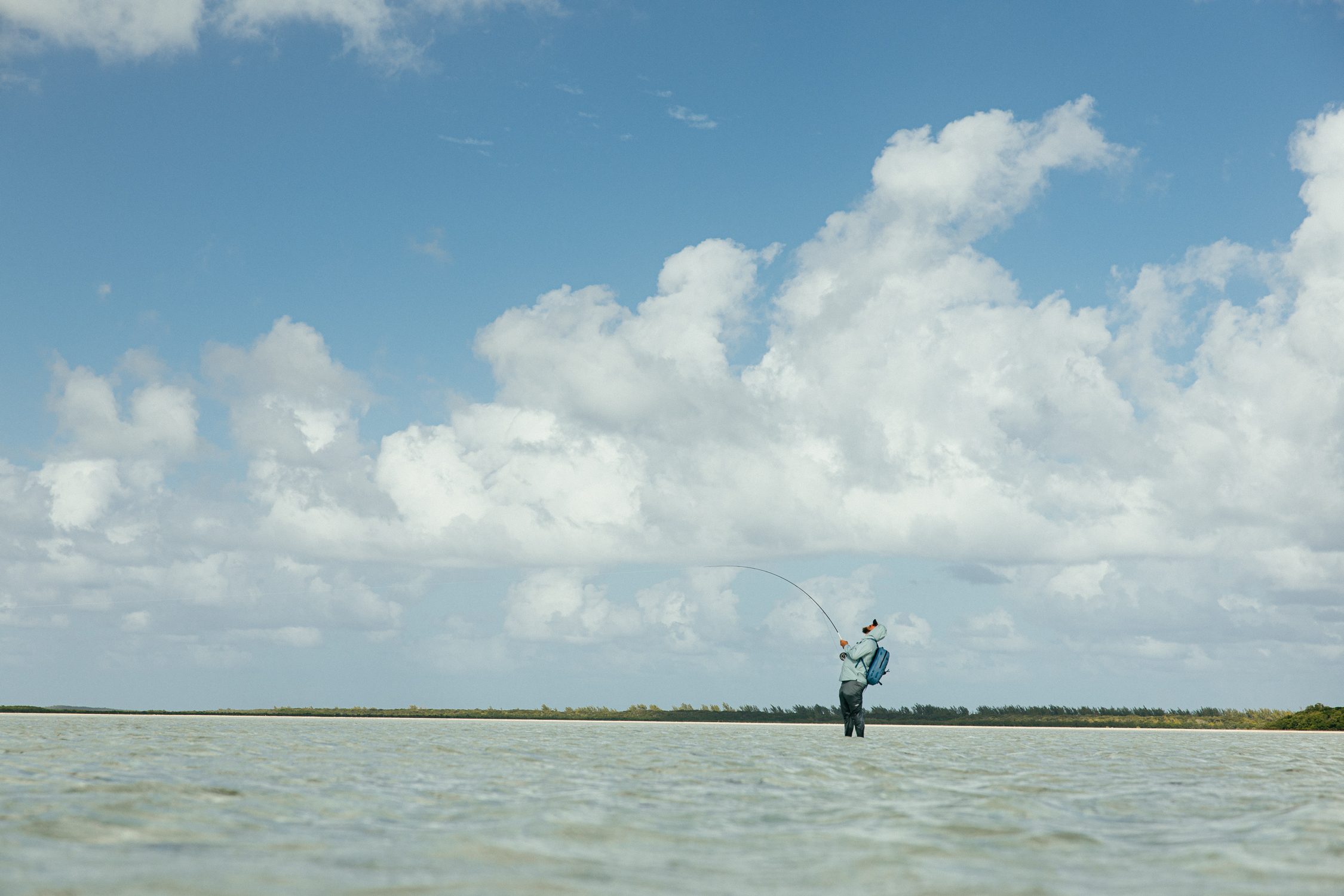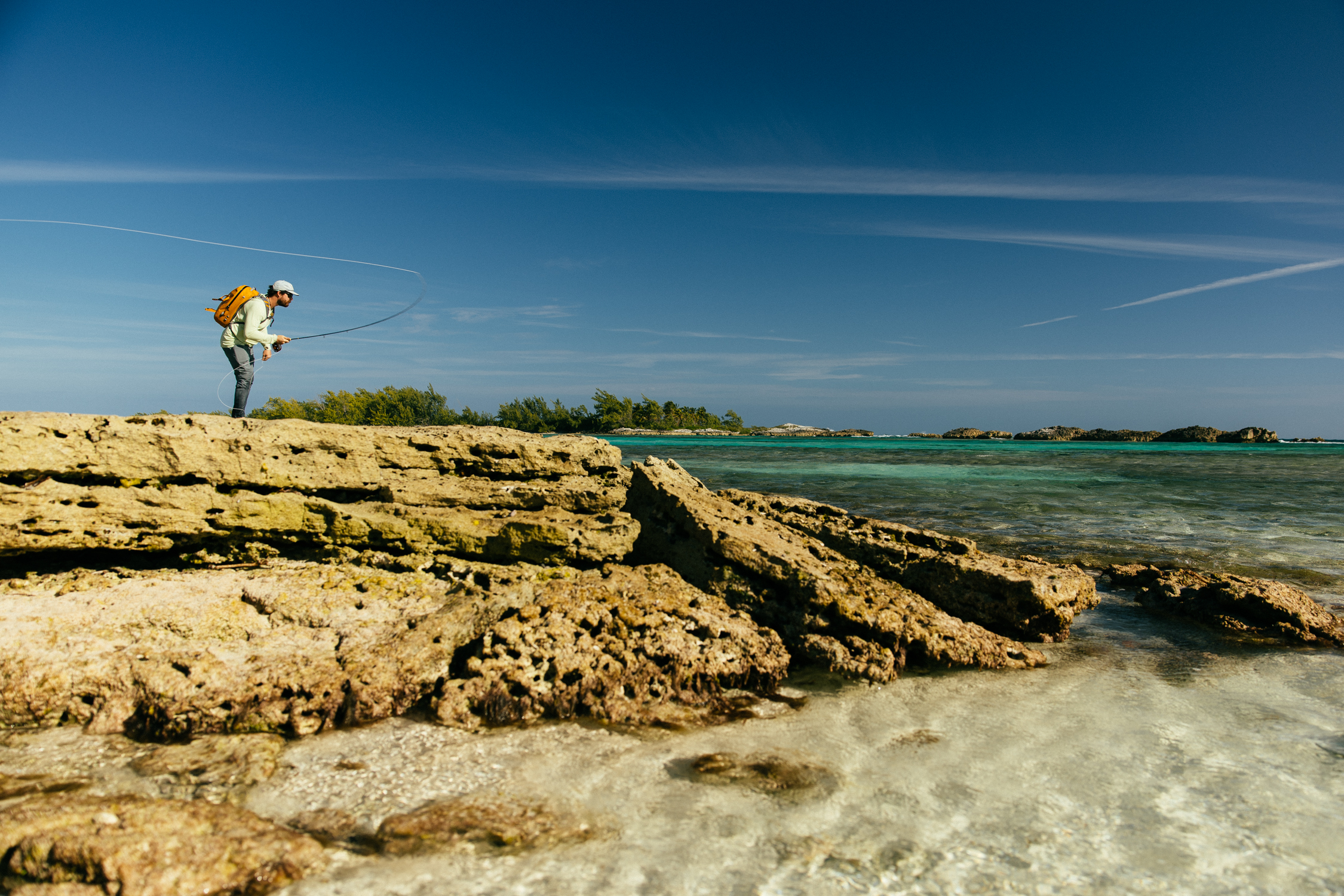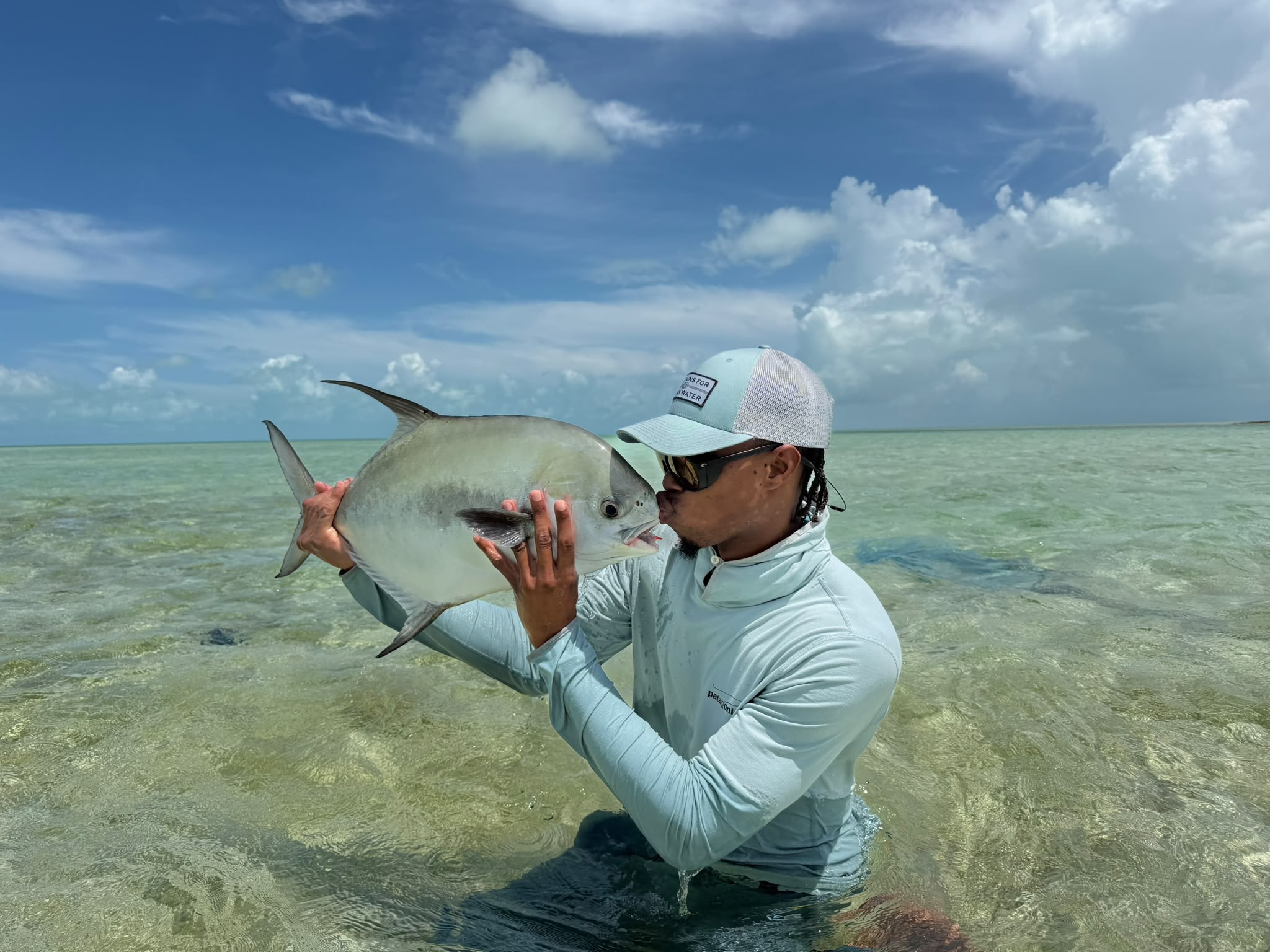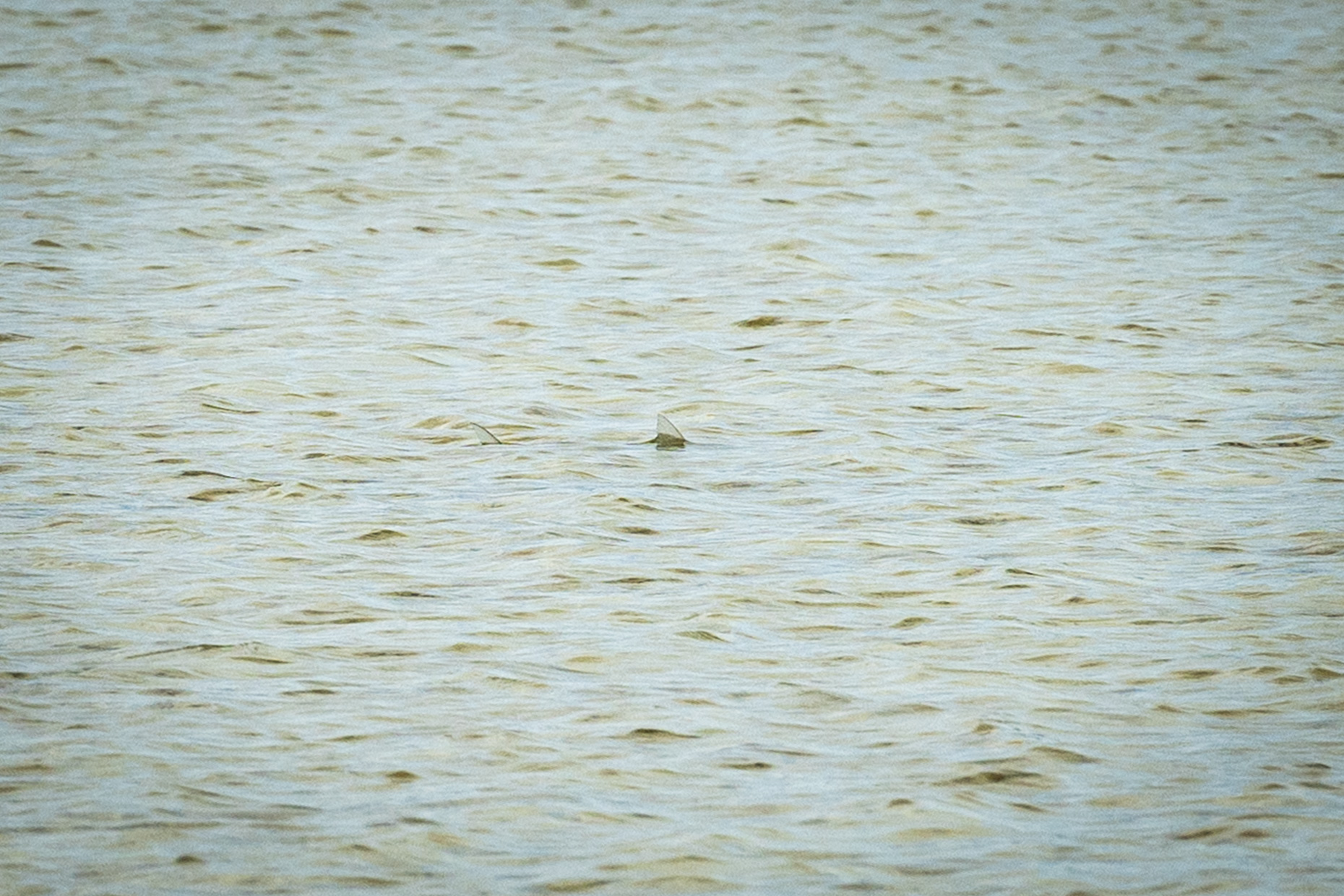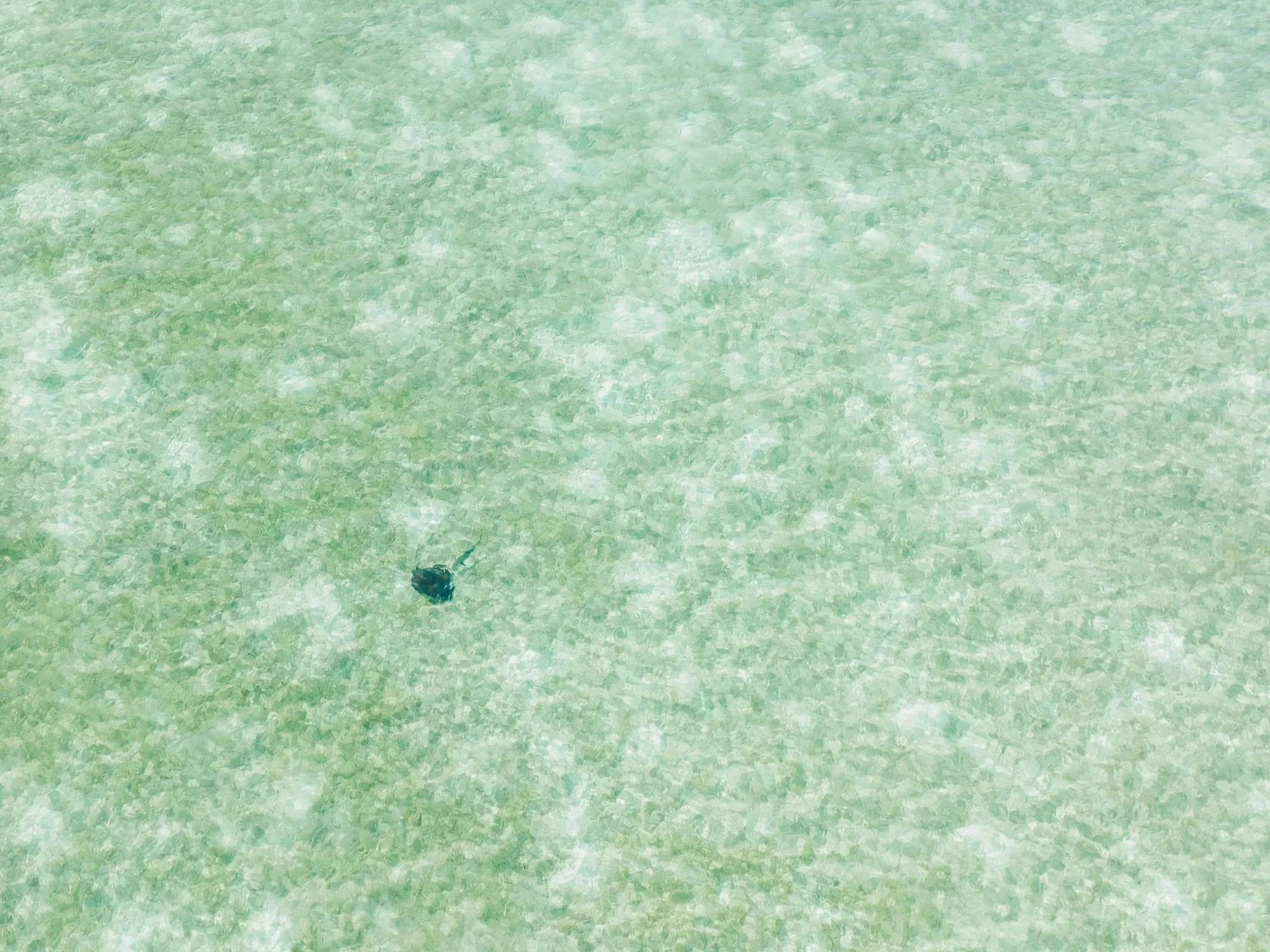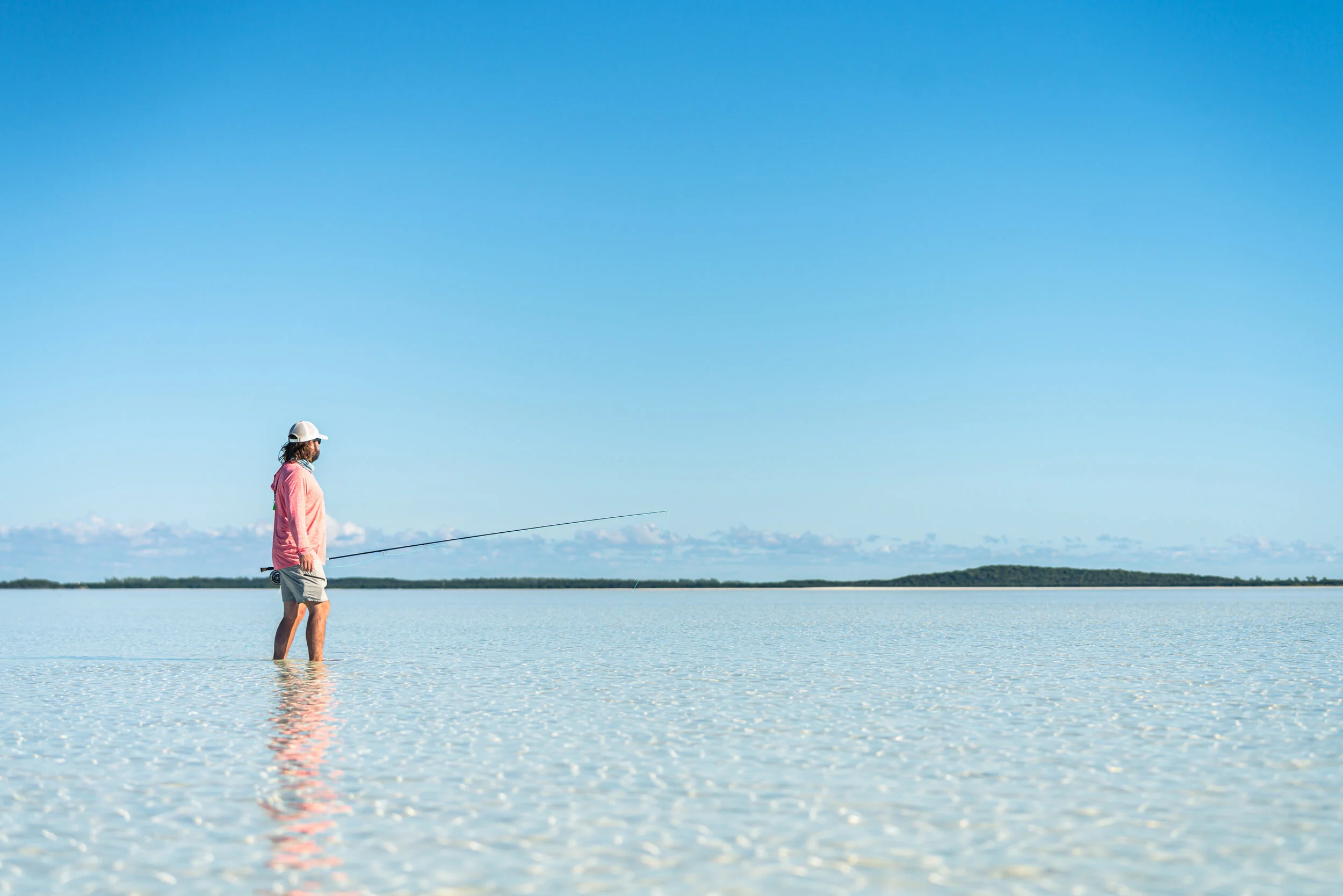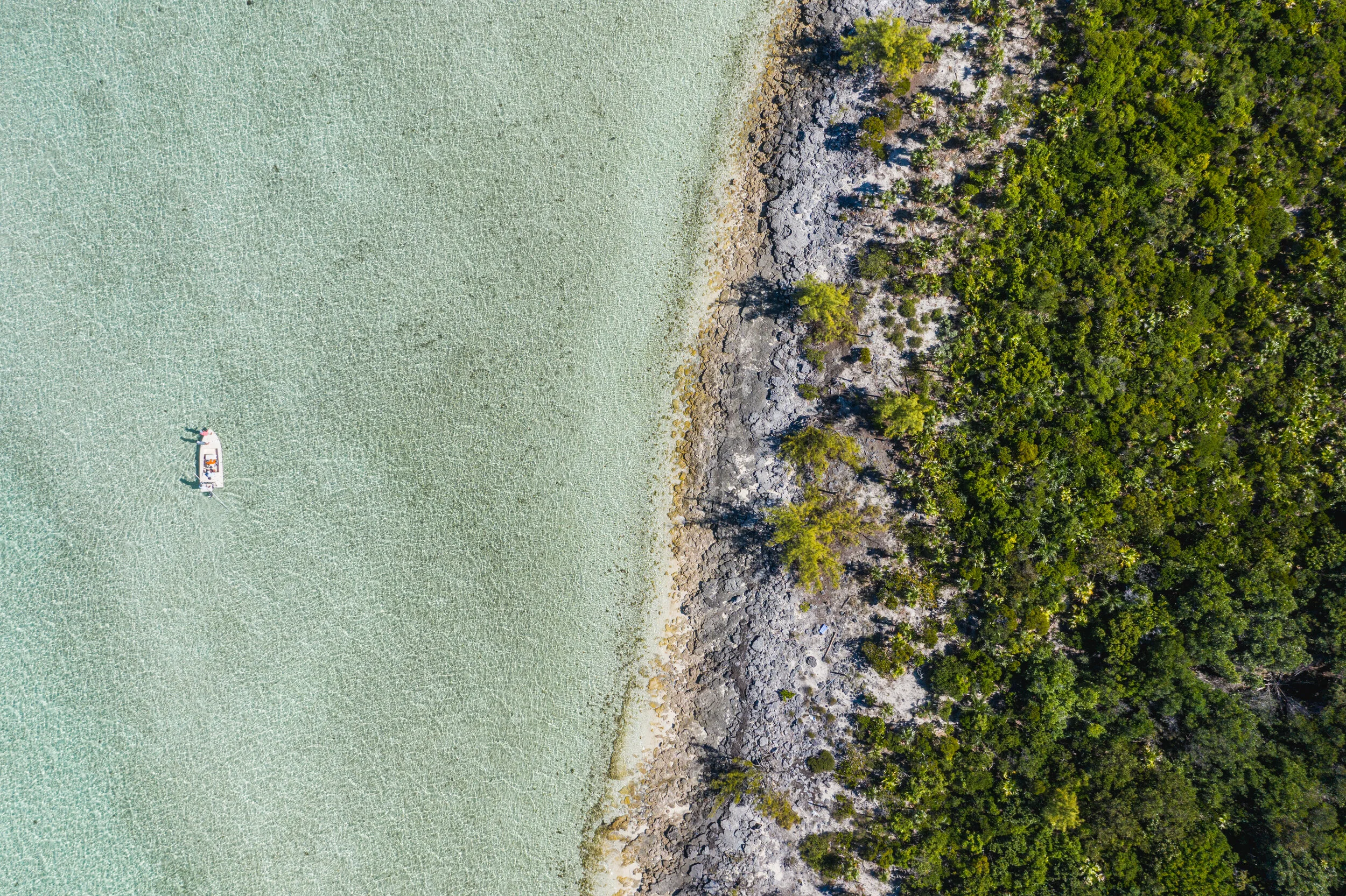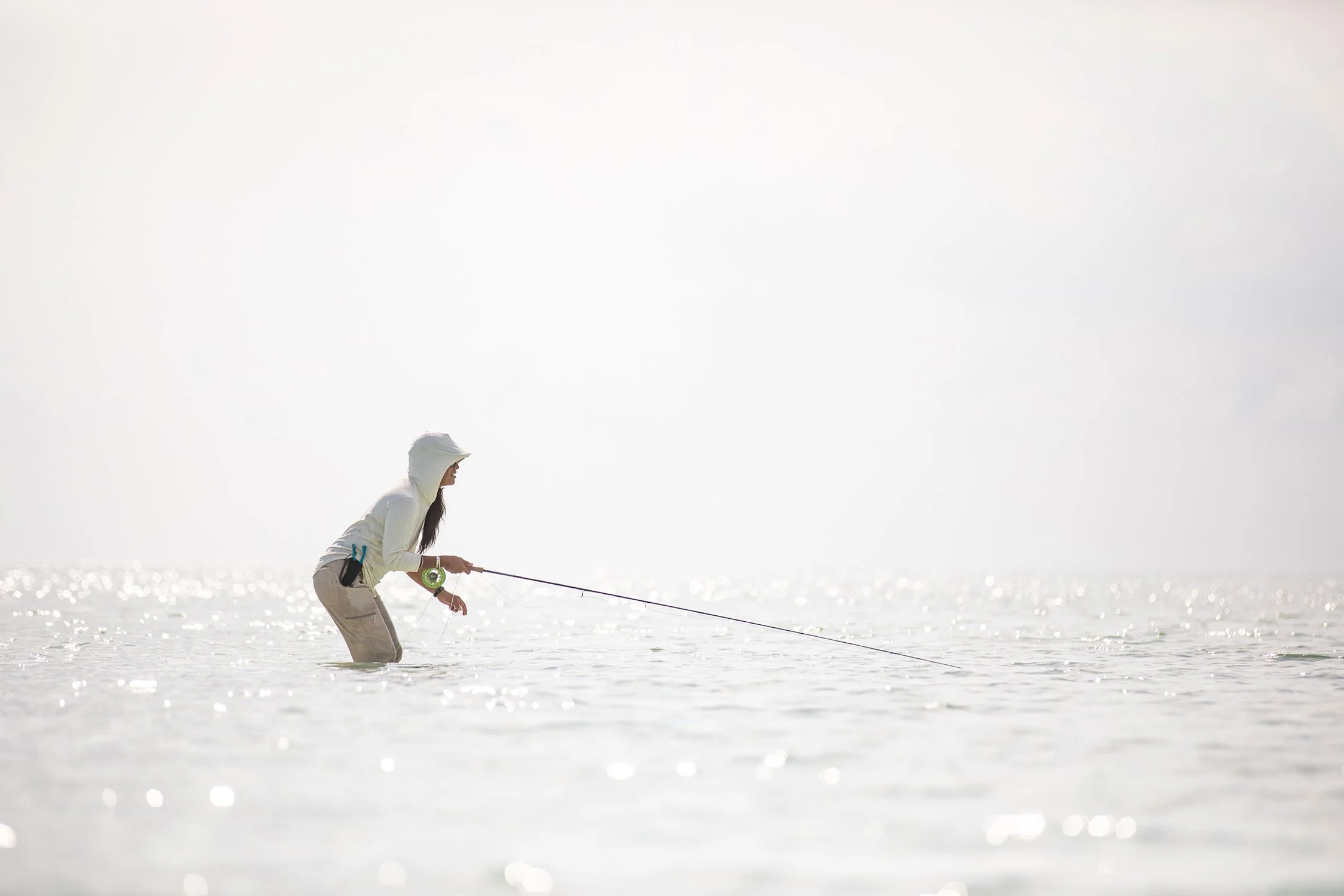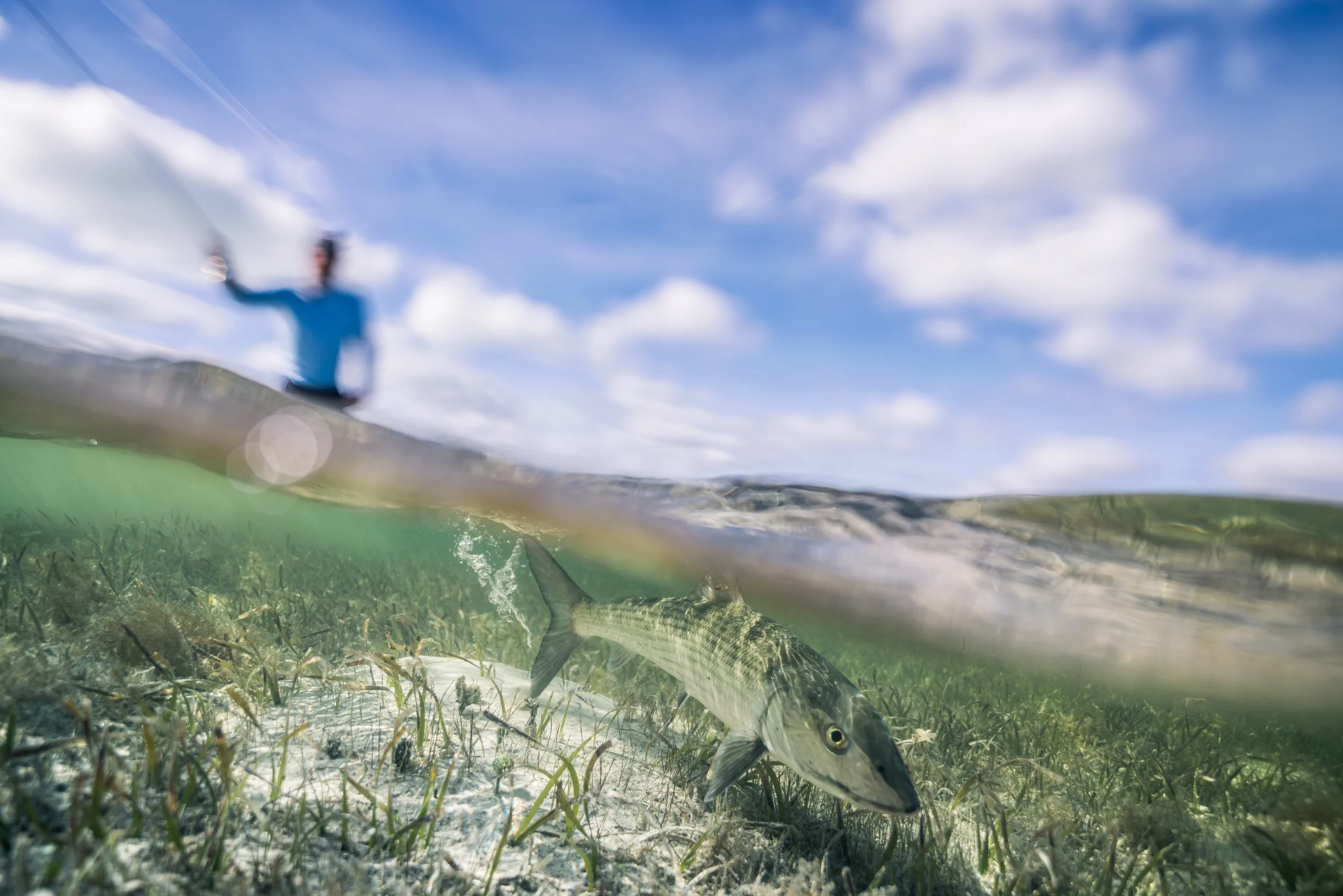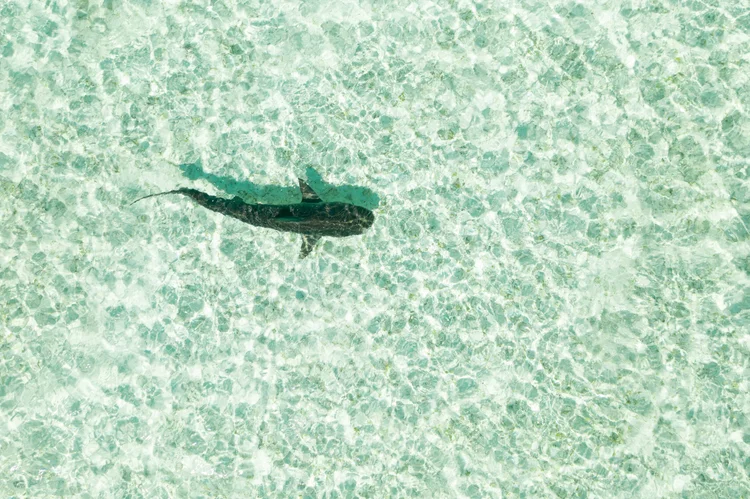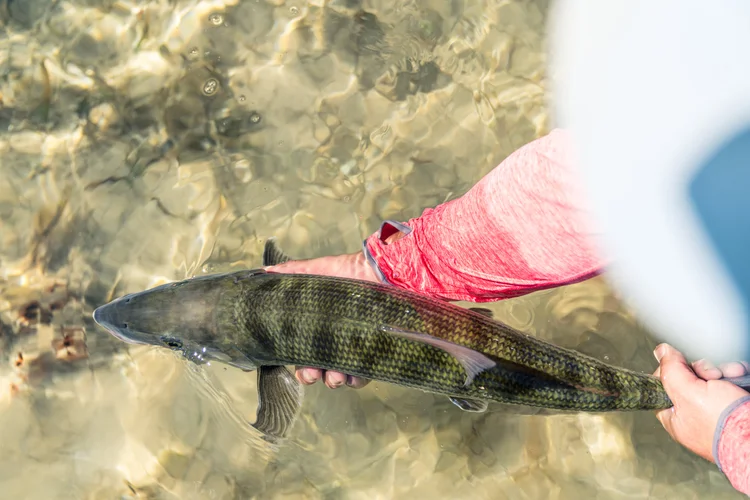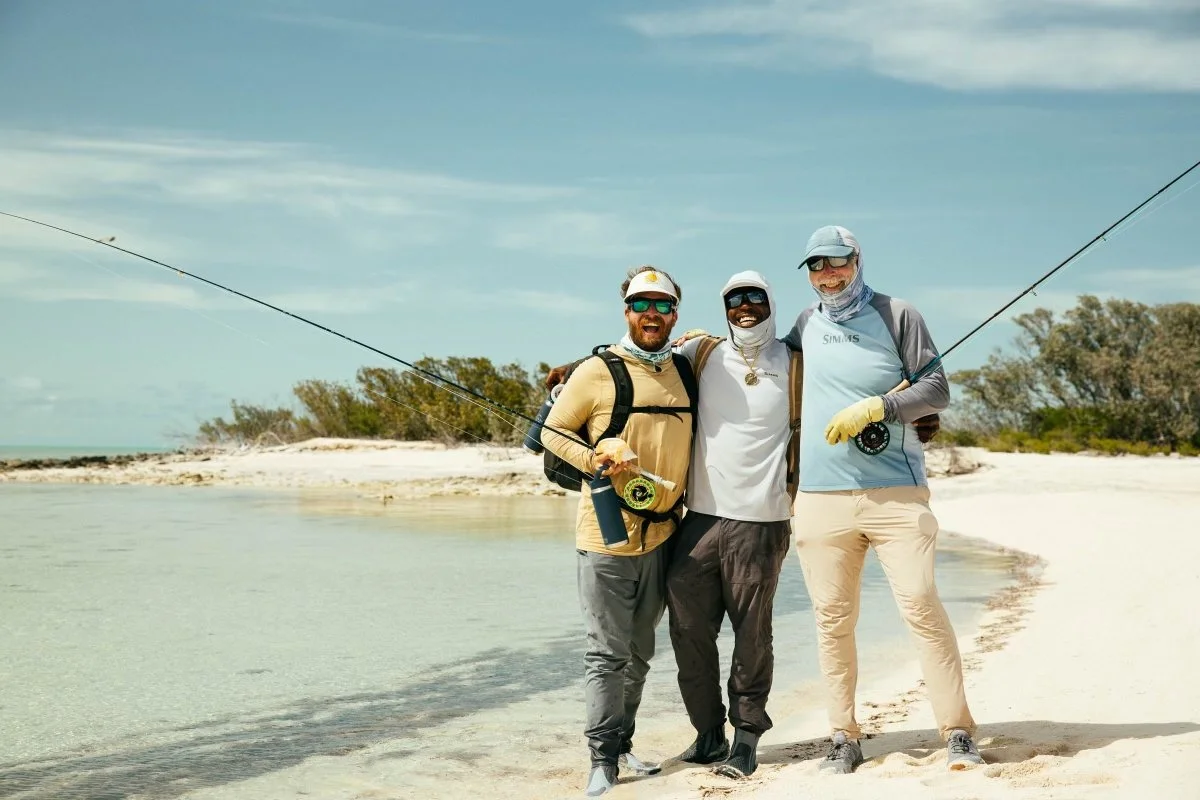


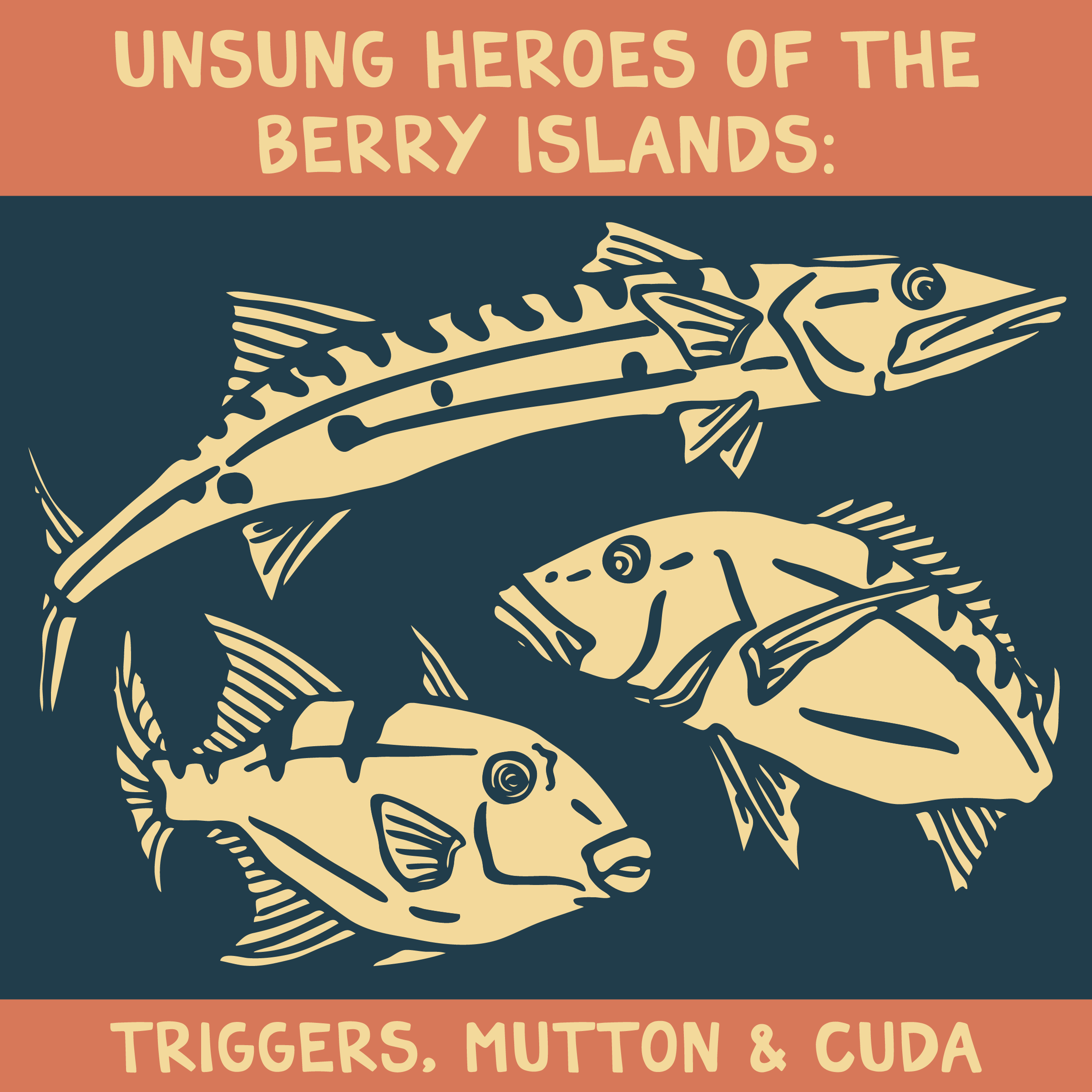
Within the fly fishing community, The Bahamas are synonymous with exceptional, consistent bonefishing and, more recently, certain locations have also come to be known for surprisingly productive permit fishing as well. Soul Fly Lodge’s many repeat guests come here precisely for these reasons. Still, hiding in plain sight within these islands are other, lesser known flats species that will also test fly anglers’ skills and resolve through uniquely challenging and refreshing fishing scenarios. Specifically, within the Berry Islands chain we have excellent opportunities to sightfish for triggerfish, mutton snapper, and barracuda.
Before we go further, we should address the obvious and fundamental question: Why? Why spend time in pursuit of triggers, mutton, and cuda when bonefish and permit swim nearby? To start, it’s just plain fun, and that’s why we all started fly fishing in the first place. What makes it fun is that fishing for each of these species isn’t easy, and each species requires a skill set that, while comparable to targeting bones and permit, is distinct. These are brand new challenges, and each fish feeds and fights differently. Undoubtedly, any angler who spends time trying to hook triggers, mutton, and cuda will improve their overall fly fishing game, becoming more versatile while also increasing their understanding of flats fisheries in general.
Additionally, spending select times of the day fishing for triggers, mutton, and cuda will ultimately improve the fly fishing for bonefish and permit. By spreading out the angling pressure to these other species when the bones and permit are in suboptimal situations – unsettled or wary because of weather, in overly-challenging locations, or when the tides aren’t favorable – that makes them much happier and willing to feed when conditions have improved. In terms of overall Berry Islands and Bahamas fisheries health, spreading the angling pressure, instead of focusing it, will only serve to make the fishery more sustainable and the fishing opportunities more durable for years to come.
Triggerfish
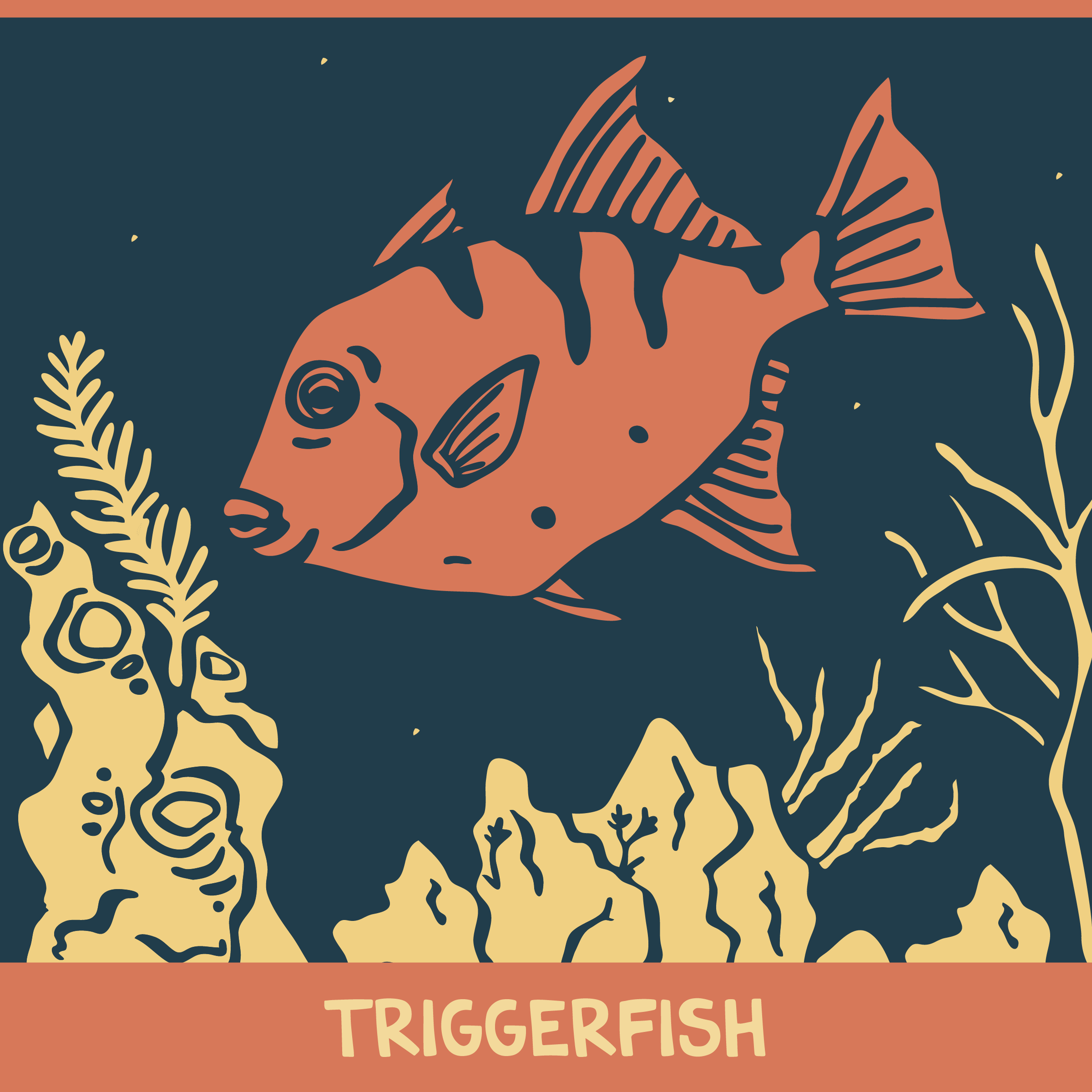
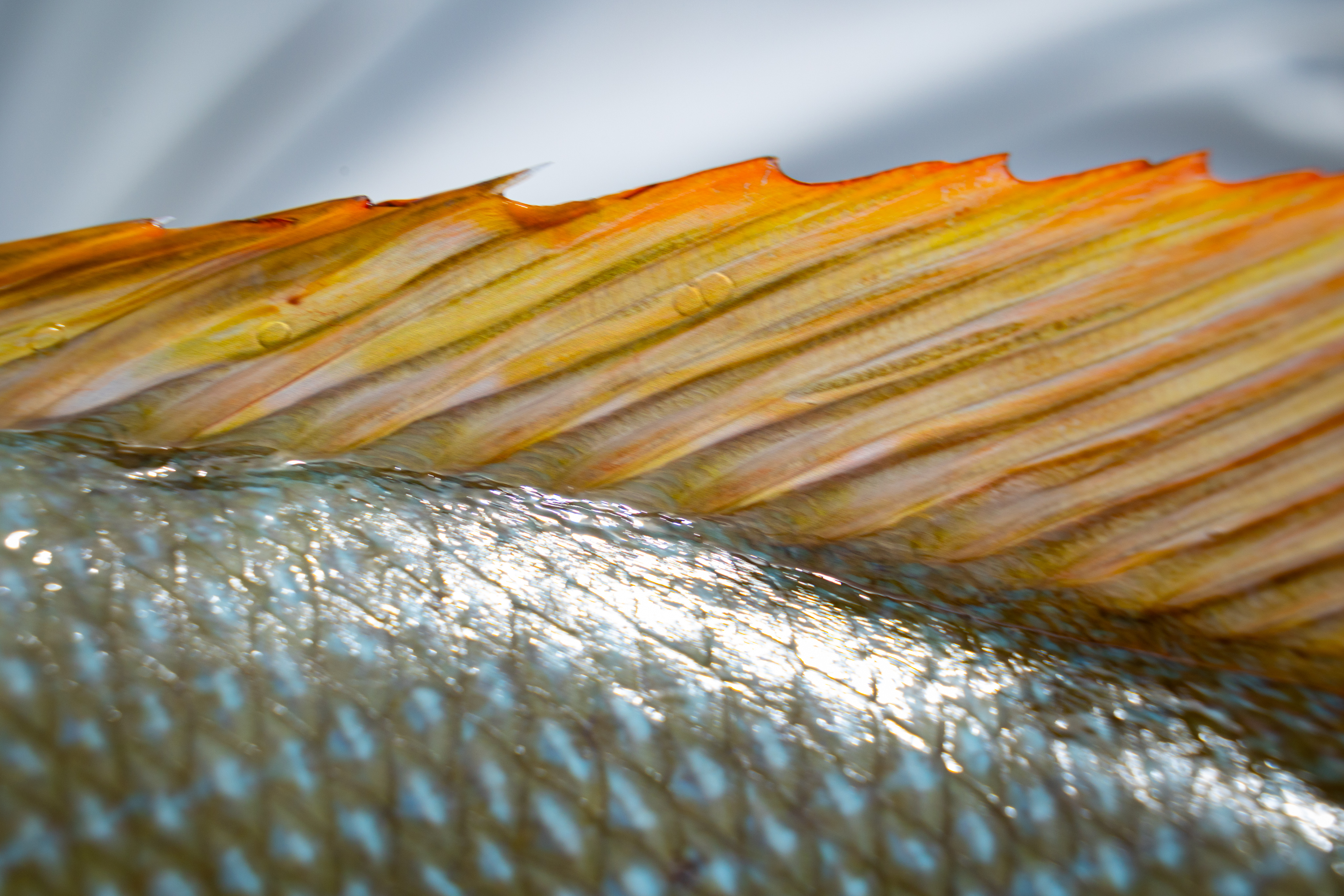
Triggerfish are curious denizens of the flats, exhibiting a variety of personalities and moods depending on the depth of water they’re in. Averaging two to three pounds and lengths around 16 inches, they are often found moving slowly in incredibly skinny water, and in and around coral structure. Due to their comparatively shorter length, they will typically tail while feeding which, when combined with their gray or darker silhouettes, gives fly anglers an excellent target to spot. Standard bonefishing setups are used to target triggers, except the flies are sized down to align with the triggers’ smaller, smooth toothed mouths (no wire needed).
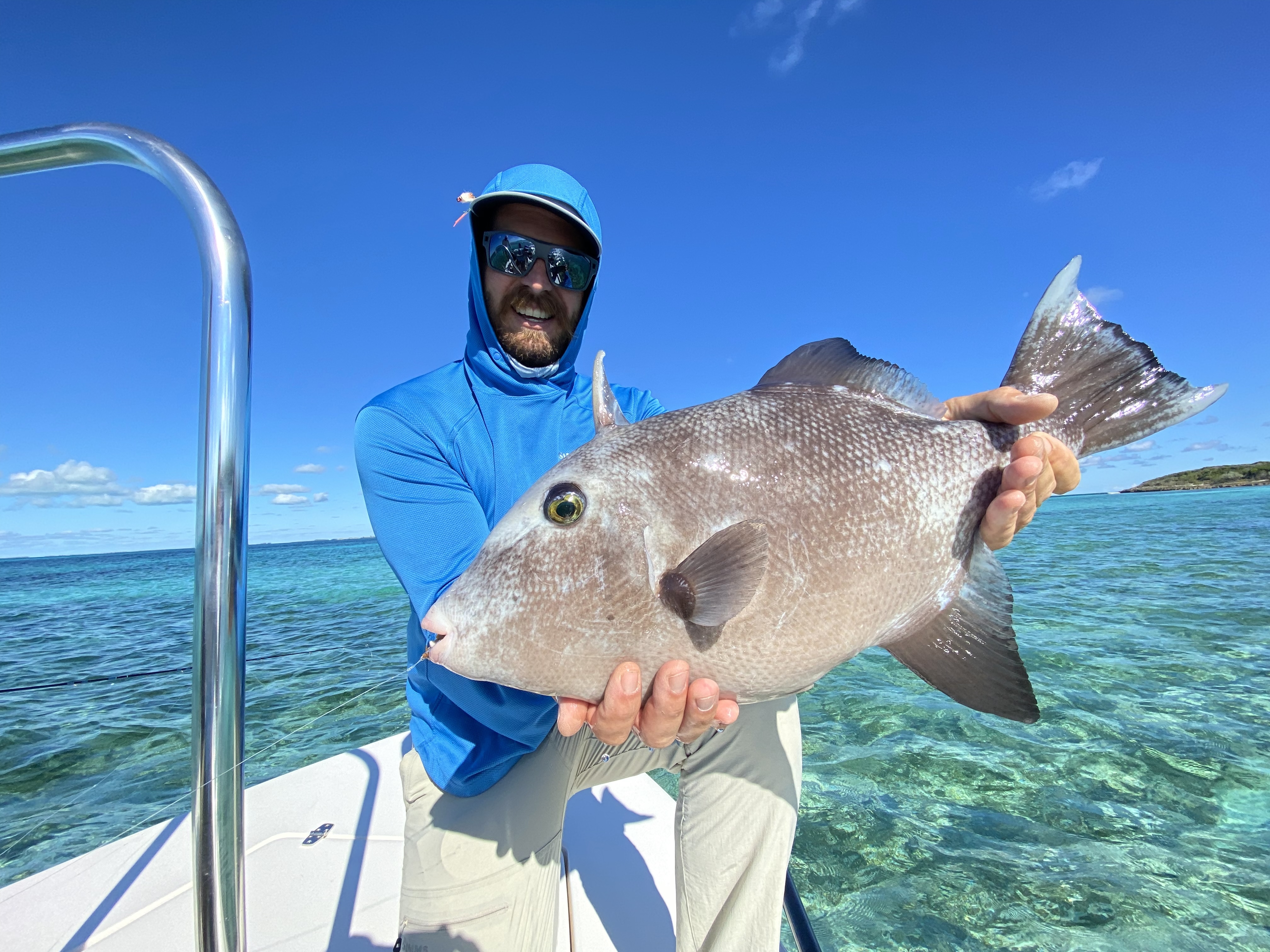
Flies should be presented two to five feet in front of triggerfish and allowed to settle on the bottom. If the fish sees the fly and is approaching, simply allow it to close the distance. It’s critical to maintain tension with the fly, and depending on how fast the triggerfish is moving, a slow retrieve may also be necessary to get their attention. Patience is required to let the fish meet the fly, and also to take it into their mouths adequately. Triggers will often tail on the fly itself, standing on their head, and when tension is felt on the line, anglers can return it to ensure the hook is set. Once hooked, triggers may run for cover in nearby coral structure, so it’s important to be ready to combat the run and pull in the opposite direction. The curiosity and challenging nature of the hookset will bring you back to these skinny water tailers.
Mutton Snapper
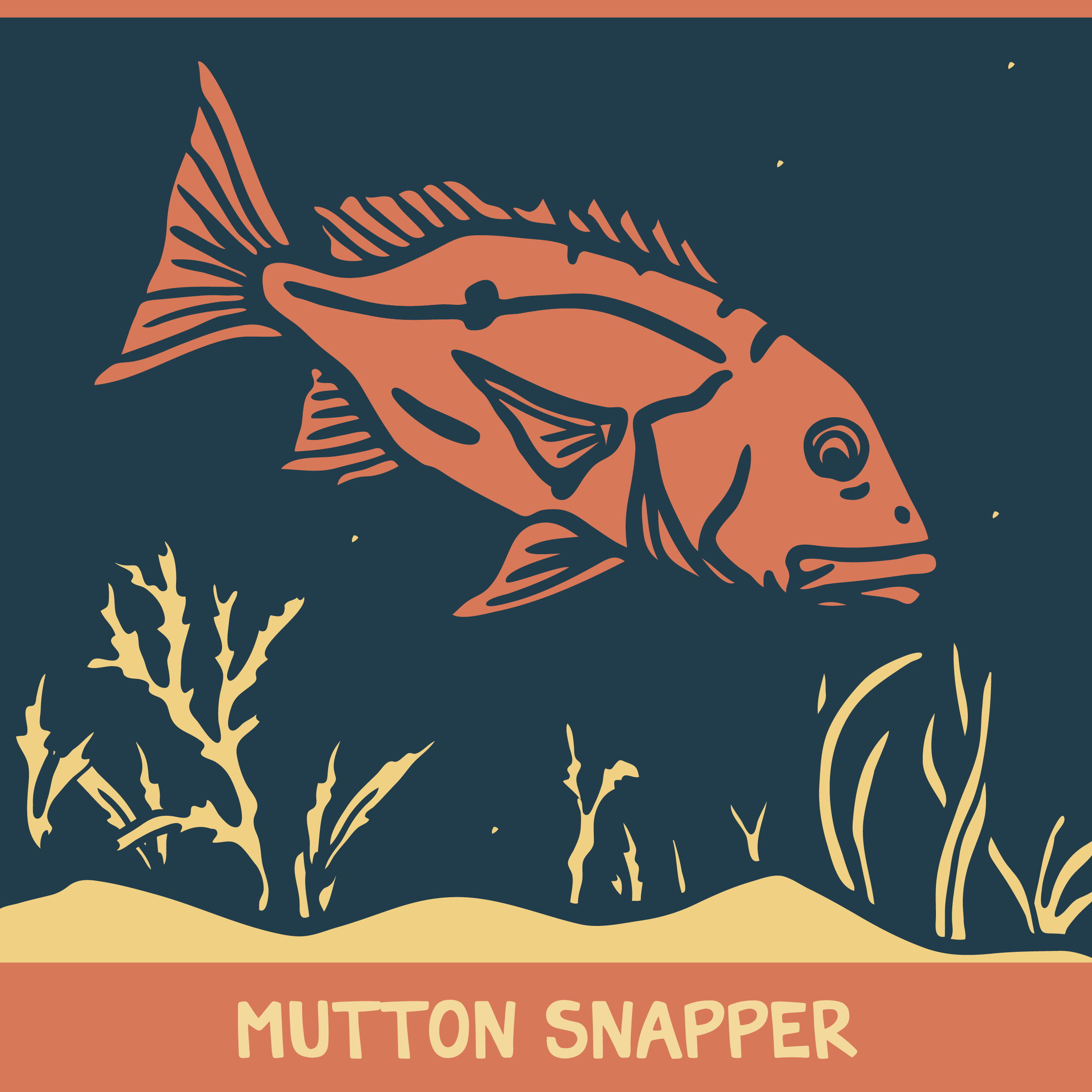
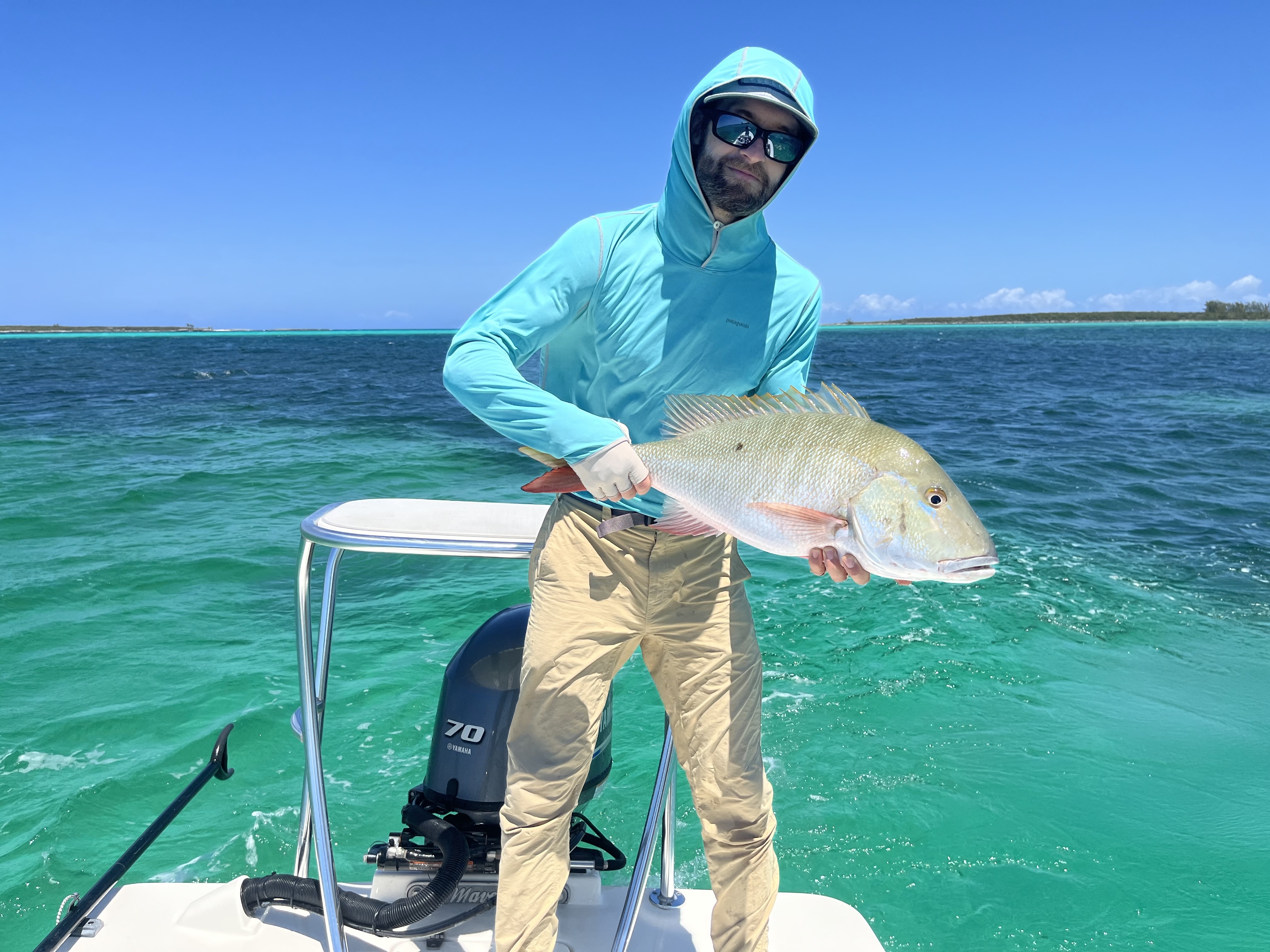
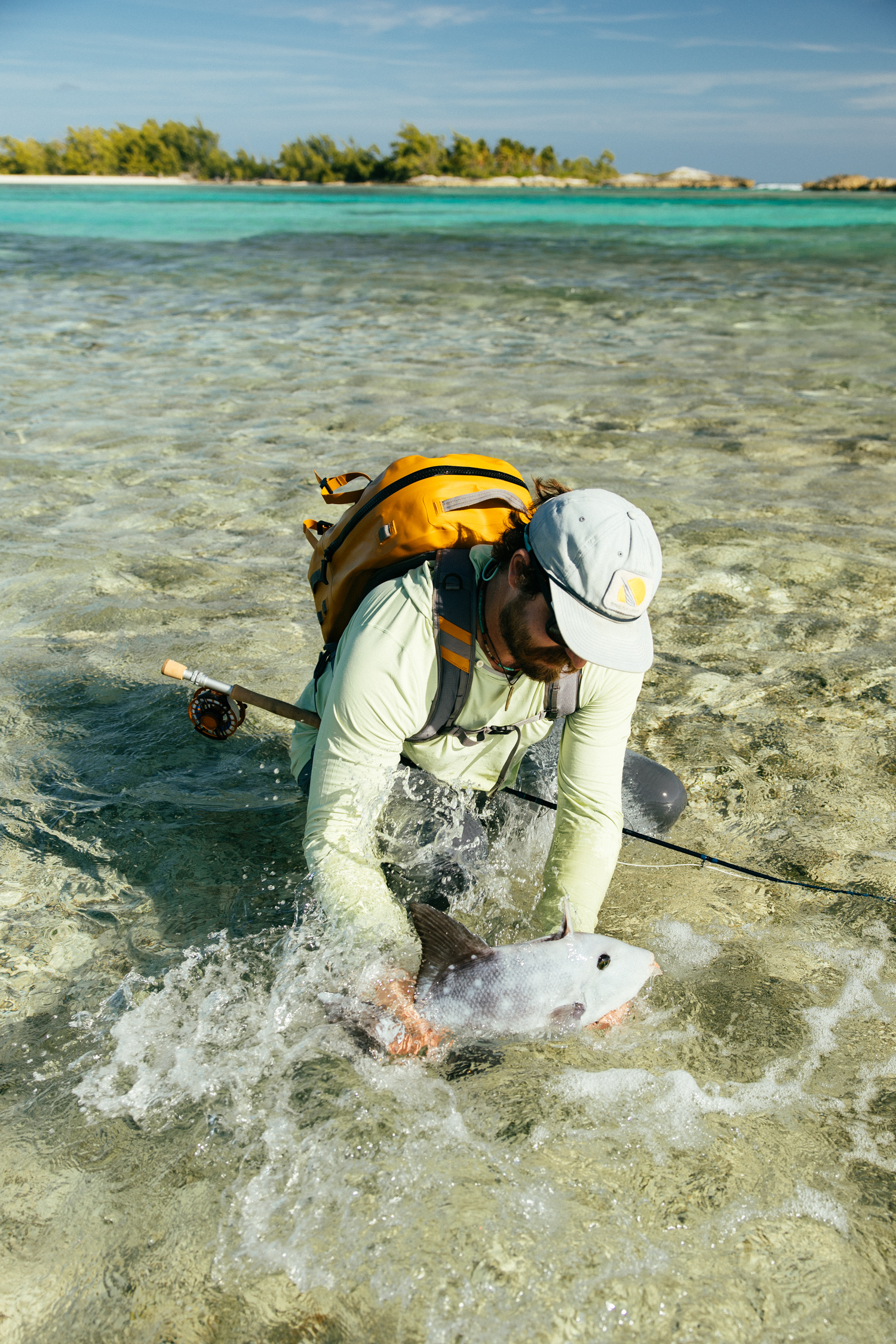
Mutton snapper are perhaps the most intriguing of these unsung flats species, found in a wide variety of water types and angling scenarios. As generalist feeders, they will take a plethora of fly types, but this fact is in stark contradiction to their approachability: they are as wary as permit, and will humble anglers all the same. When spooked, they will take off as if the horizon is their destination.
The simple, yet difficult trick to catch a mutton is to see it and present the fly to it before it sees you. When done so adequately, they are honest players and will usually take the fly if they are presented to with skill. Typically found on deep bonefish and permit flats, mutton are caught using bonefish or permit outfits and accompanying fly patterns. Ideal presentations take into account their traveling speed, direction, and water depth, and carefully drop flies between their eyes. They range in size dramatically; target-able fish are three pounds and up, and they can get as large as 20 pounds and over two feet long. It is not uncommon to see mutton traveling across flats on a stingray like a permit would, and it’s also not uncommon to see mutton tailing in very skinny water, sometimes even with their backs exposed.
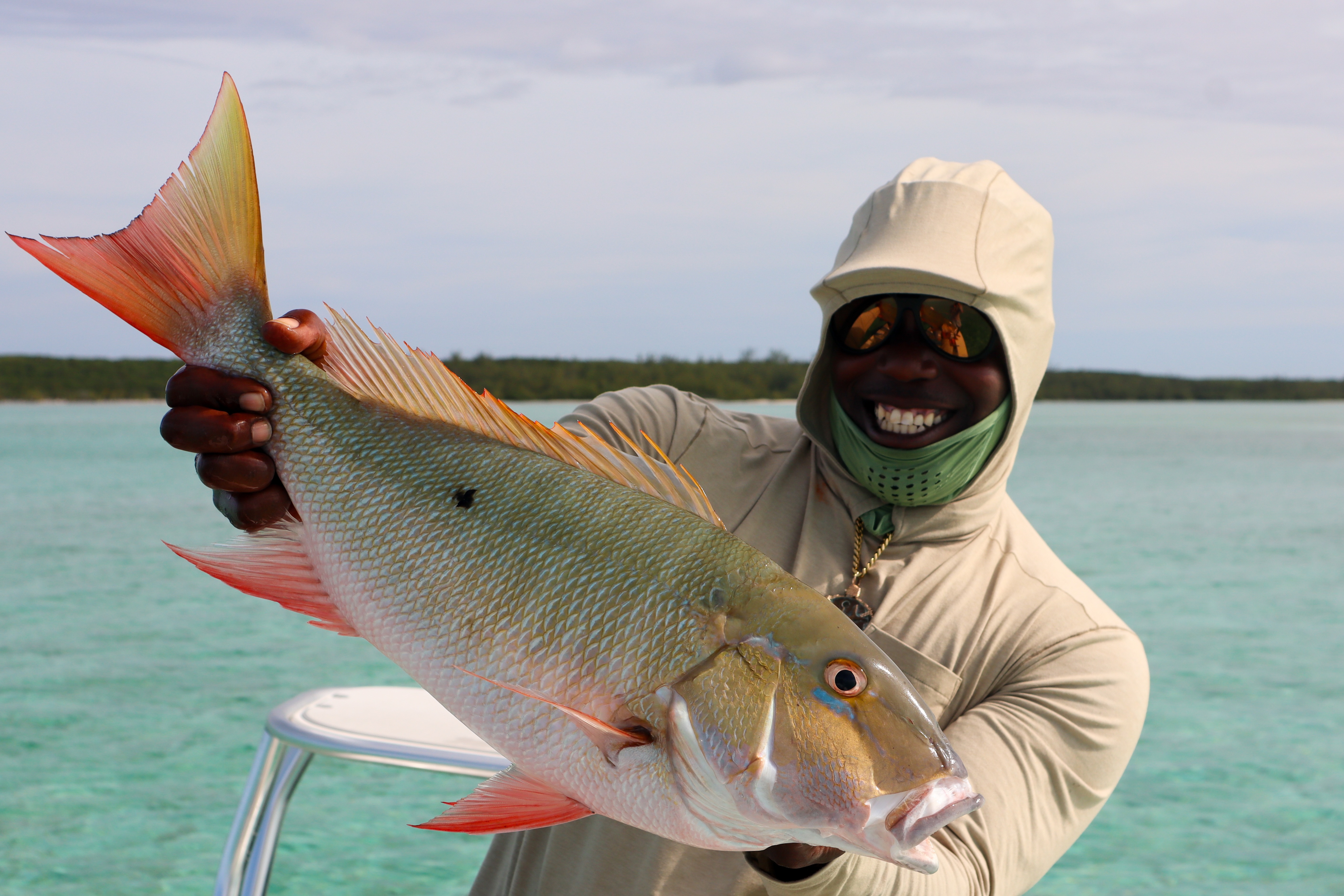
It only takes one encounter with a mutton snapper to recognize the challenge they present and, like permit, sometimes once is enough to kickstart a deep desire to experience success. Respect the mighty mutton and put your casts to the test in both the deep water and skinny!
Barracuda
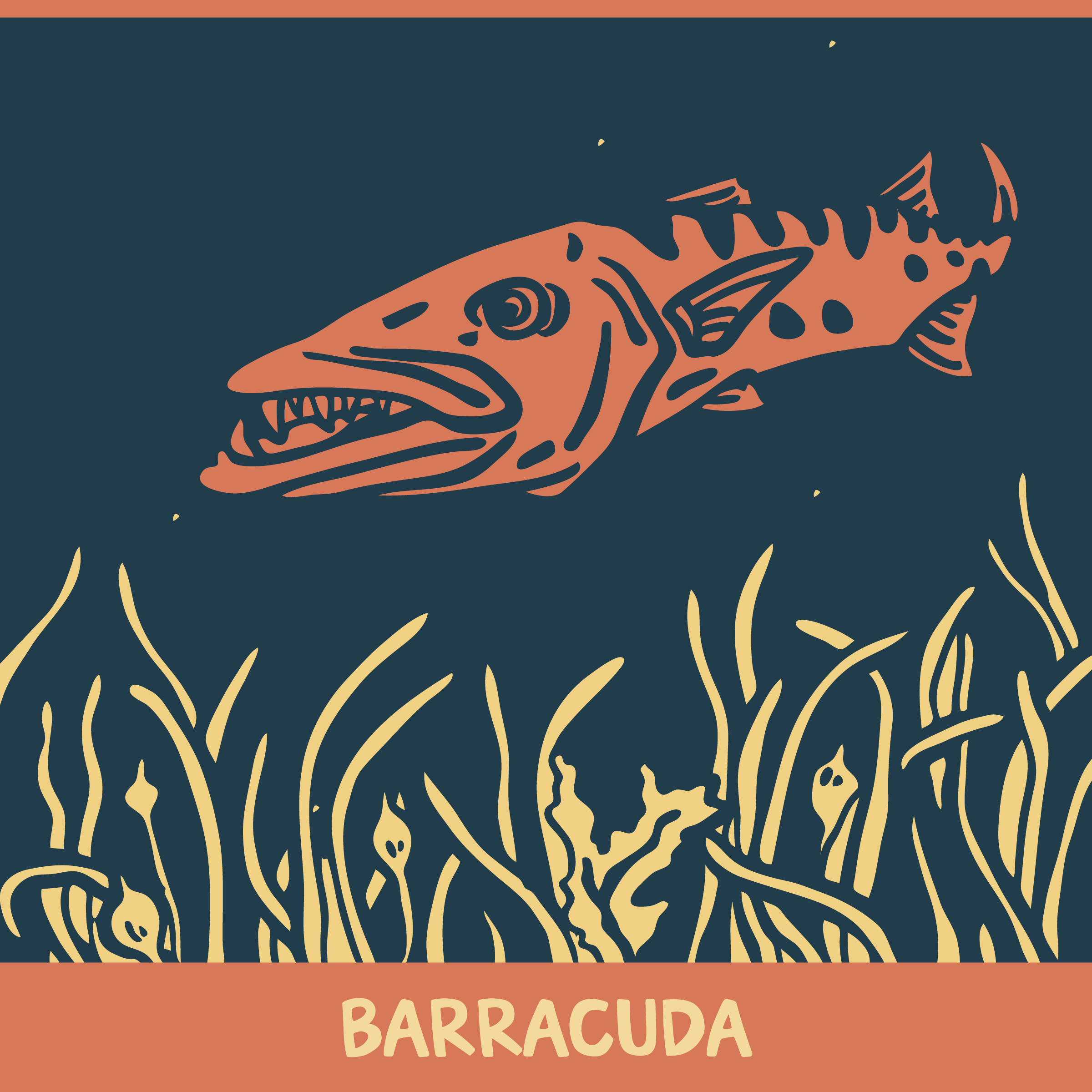
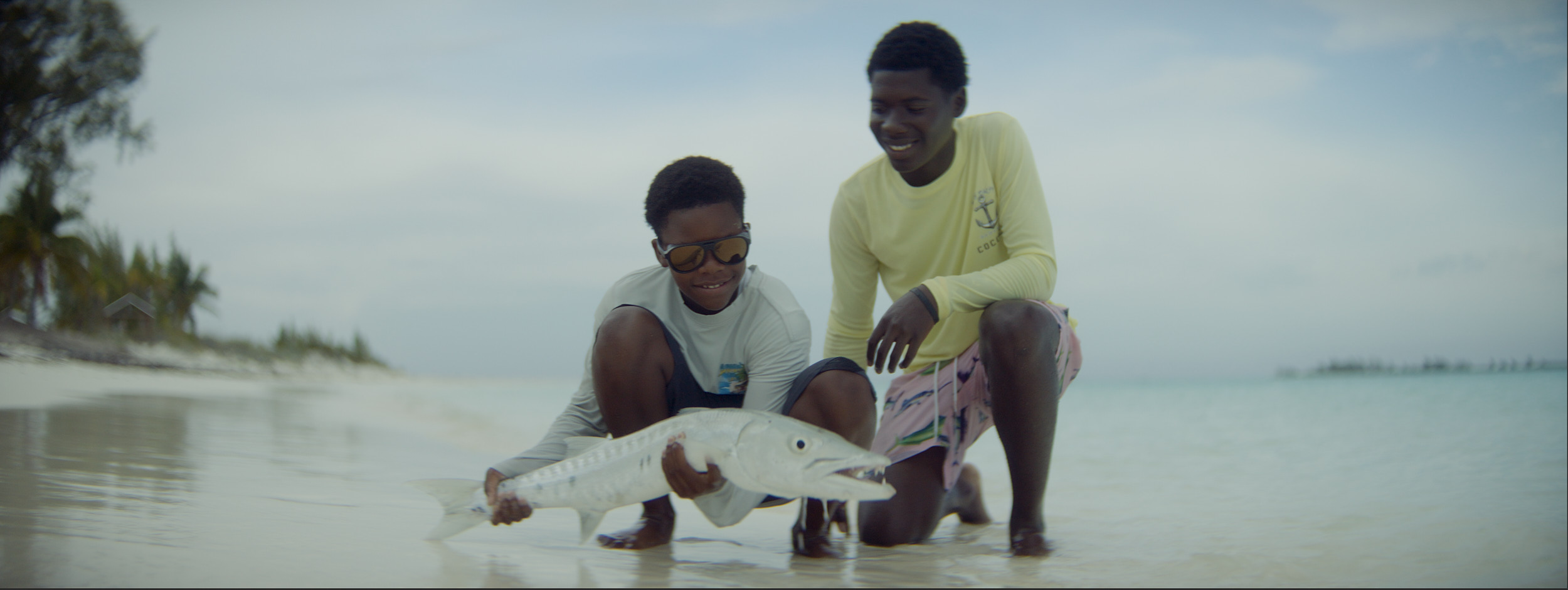
In between all these species, confidently patrolling the flats and awaiting in ambush are Bahamian barracuda. Easily recognized by their long, slender, muscular bodies and hound-like teeth, cuda are aggressive predators that can indeed be targeted and caught on fly, but only by matching their energy, getting in their face, and pushing their buttons.
Specialized tackle is a must for cuda fishing: 9- or 10-weight rods with matching, floating fly lines are necessary, and leaders need to be finished with 20- or 30-pound wire tippet. Baitfish flies (three- to six-inches long) complete the setup and the best patterns are the ones that are the least-likely to have been fished already. That’s to say, better to leave the classic, long, neon green needlefish patterns at home.
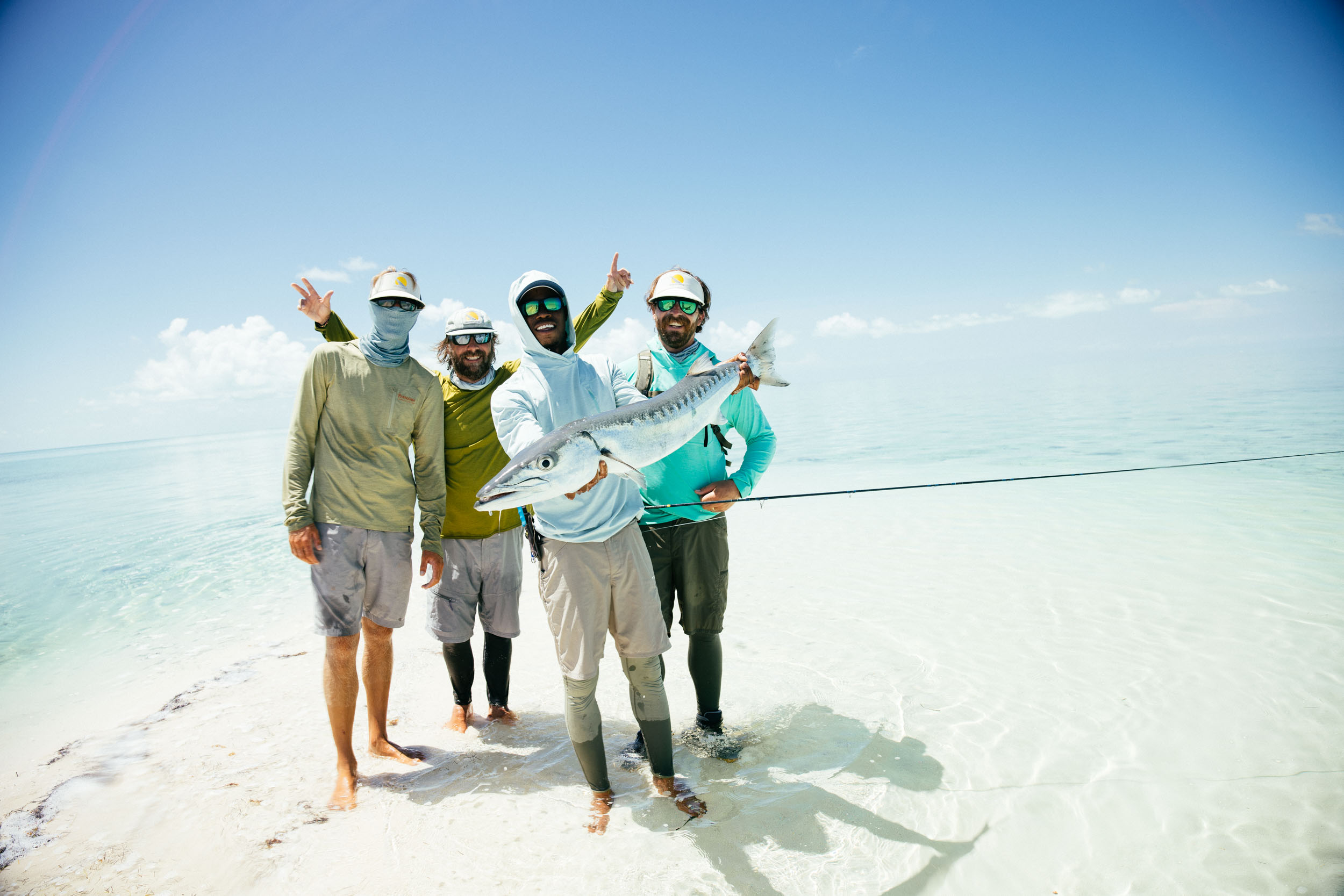
Usually spotted laid up (stationary) on the flats, cuda can be excited by typically casting five to ten feet in front of them; casting across or beyond their lie can be helpful too. Depending on mood, weather and water temperatures, the ideal lead will vary – always read the fish and the situation, as each opportunity is uniquely different. Presentations begin slowly to catch their attention and incite the chase, and are then retrieved increasingly fast as the fish starts to pursue. Two-handed stripping is welcome, and can help set the hook upon a cuda’s vicious – and sometimes airborne – take of the fly!
The most critical element in landing a cuda is being ready to present the fly. This is done by having a cuda outfit lying in wait in the boat’s cockpit: have an appropriate amount of line stripped off the reel, and have both angler and fishing partner ready to switch out rods as soon as a cuda is spotted. Many cuda opportunities are missed simply as a result of not being ready.
Conclusion
At Soul Fly Lodge, bonefish and permit will always be our favorite and most beloved flats fish, and our fishing program will always be focused on them. But we are also constantly striving to improve and adapt our angling experience to the mutual benefit of guests, the resource, and the community.
Our guide team, lodge staff, and owners are learning more and more about the Berry Islands fishery every season, and we’re finding incredibly exciting angling opportunities that are not only fun and rewarding in and of themselves, but are also providing positive returns to the species that brought us here in the first place. As you consider your next (or your first!) fly fishing trip to The Bahamas, don’t neglect the triggers, mutton, and cuda – they will only add to your experience and will give you more to love.
And if you like these species, trust us when we say, there is a whole other world out there of fly rod-accessible species in The Bahamas. Think bluewater, grouper, jacks, sinking lines, bait and switch, big flies, big eats, and huge fun. The Bahamas is NOT just for bonefish – they’re simply the most publicized species, and we all know the path less traveled holds incredible rewards and the opportunity for independent creative thinking. Lastly, we encourage the release of these species especially if they appear to be resident. Cuda, triggers and muttons all have strong site fidelity, so if we want to ensure fishing for them in the future, let ‘em go to grow and be there on your next trip.
See if you’re up for a Goombay Slam – bonefish, permit, and mutton snapper all caught in one day. Or, more challenging and impressive still, try for a Goombay Super Slam by adding a triggerfish to that list as well.
All artwork by our friend, Florida-based artist and conservationist Oona Watkins. To see more of her work, check out her website.