.svg)

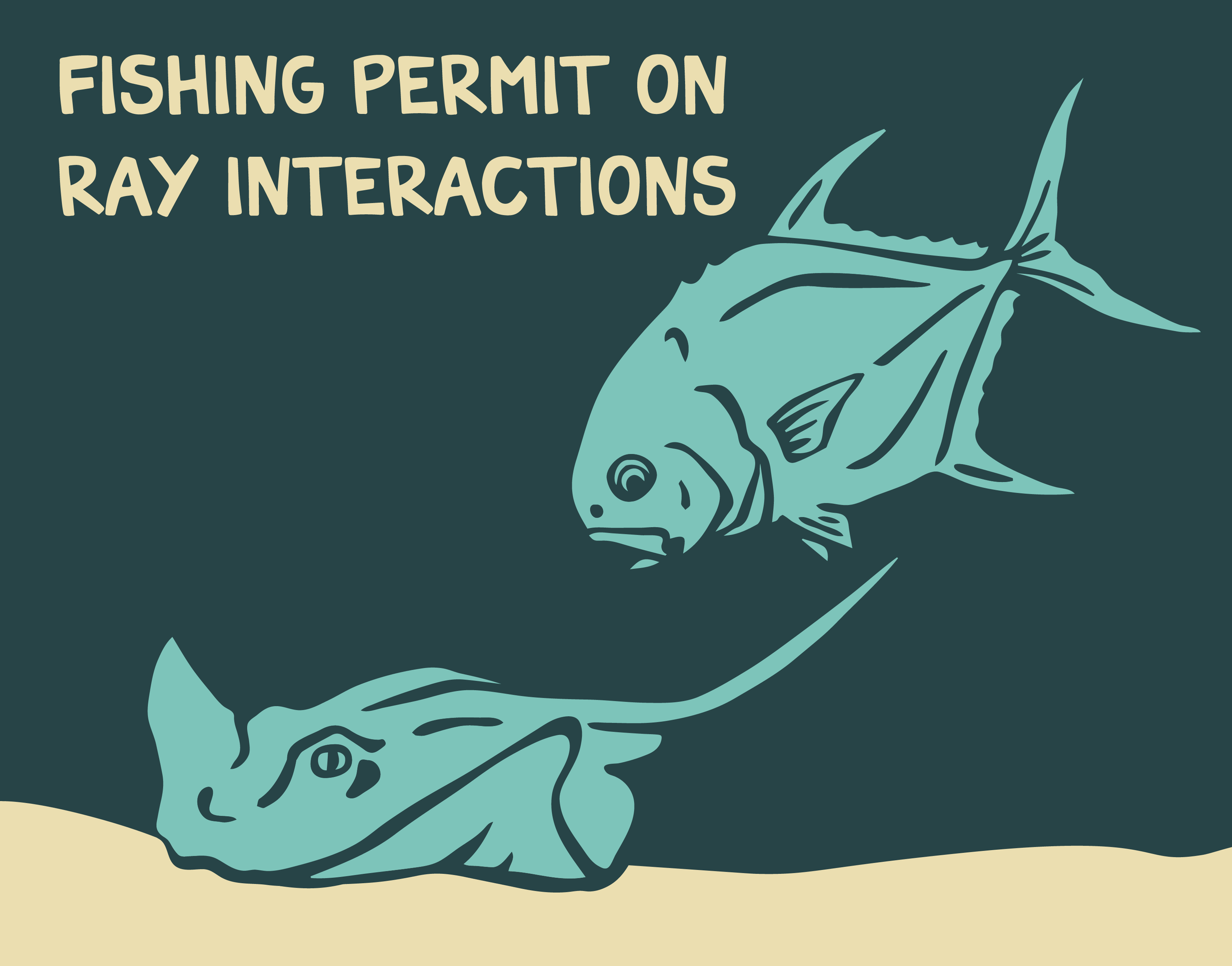
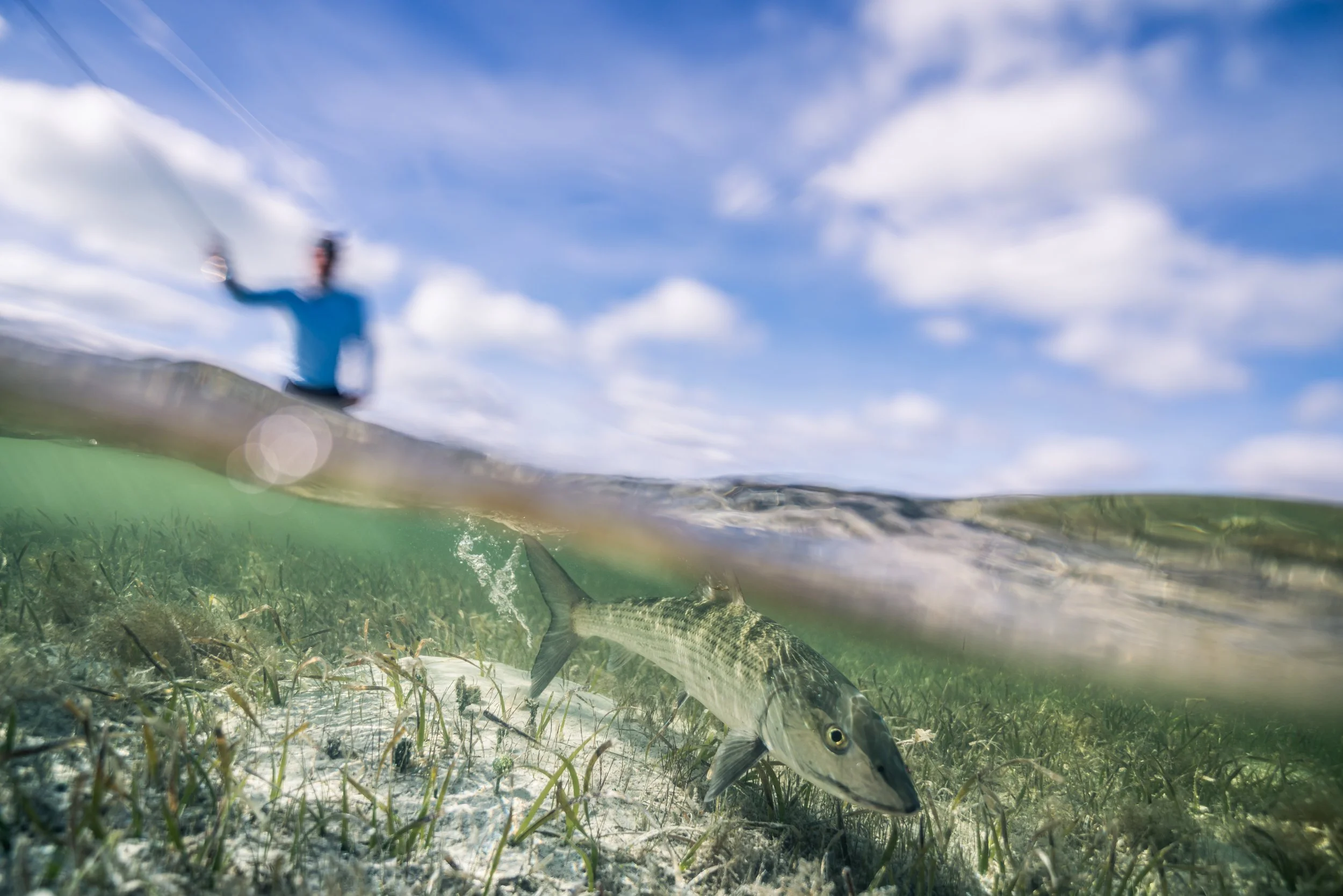
Every day on the water at Soul Fly Lodge is different and dynamic. Between leaving and returning to the dock, anglers find bonefish, permit, and other flats species in a variety of locations and fishing situations that are constantly in flux due to changing tides, light, wind, and the seasons. In our continued efforts to educate and prepare our guests for their days in the Berry Islands, we enlisted the help of our guides Percy, Freddie, Travis, Chester, and LJ, lodge management, artists, and fishy friends to illustrate a few key fishing situations, and share our angling approaches.
Stay tuned as we feature more Berry Islands fishing scenarios – we hope they provide specific insights for your next trip to Soul Fly Lodge as well as your other flats fishing.
The Scenario: Permit on a Ray
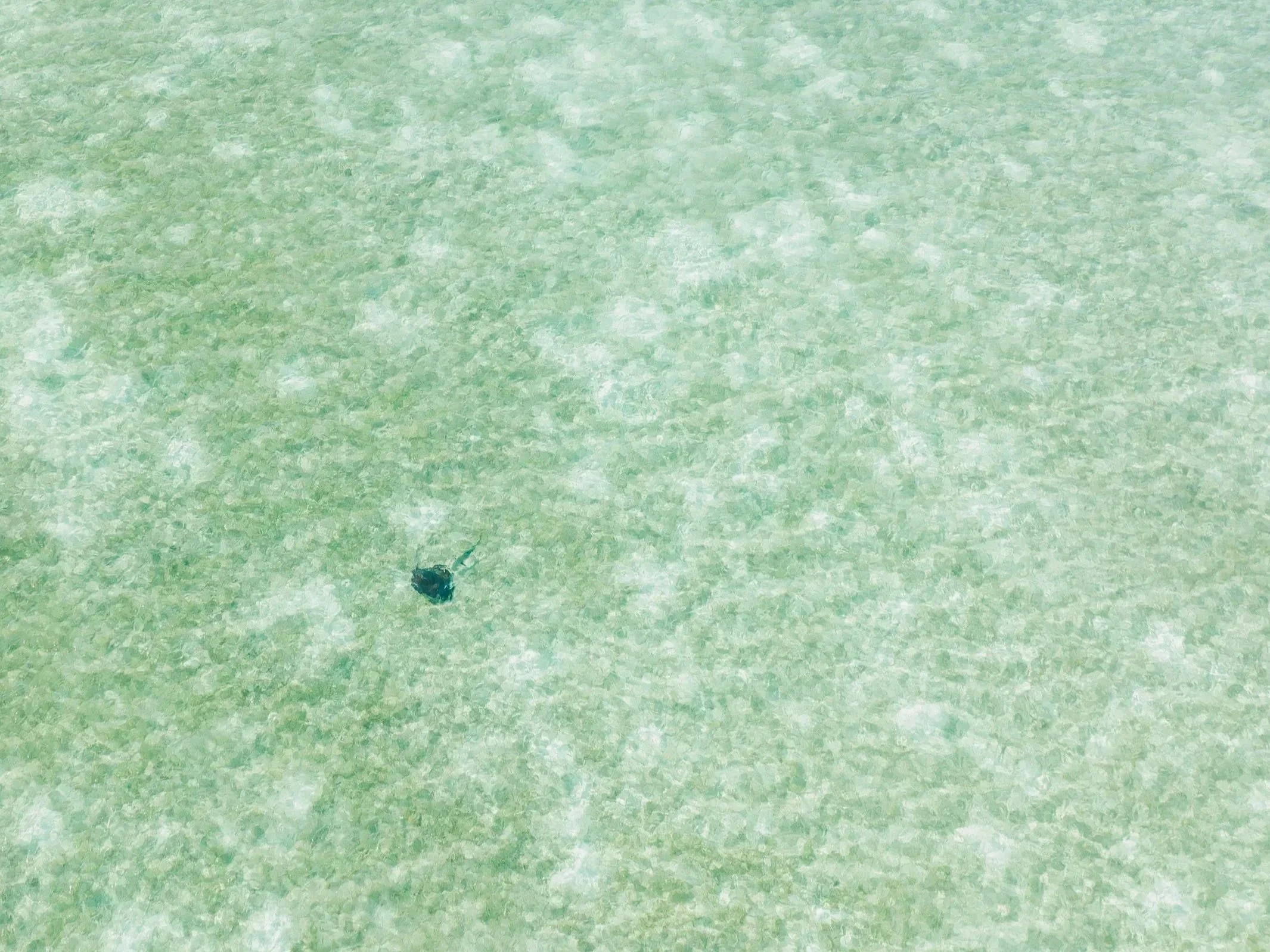
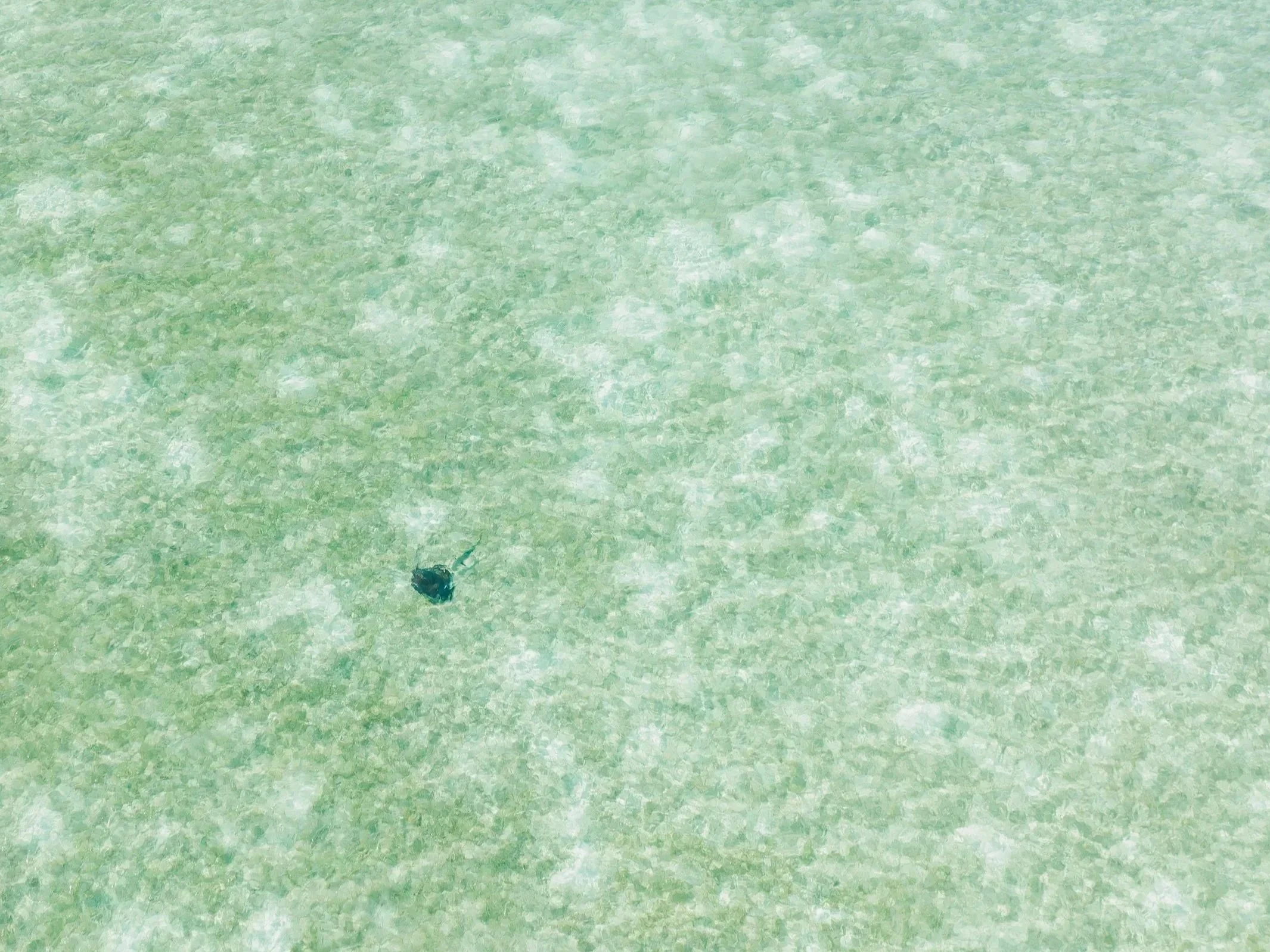
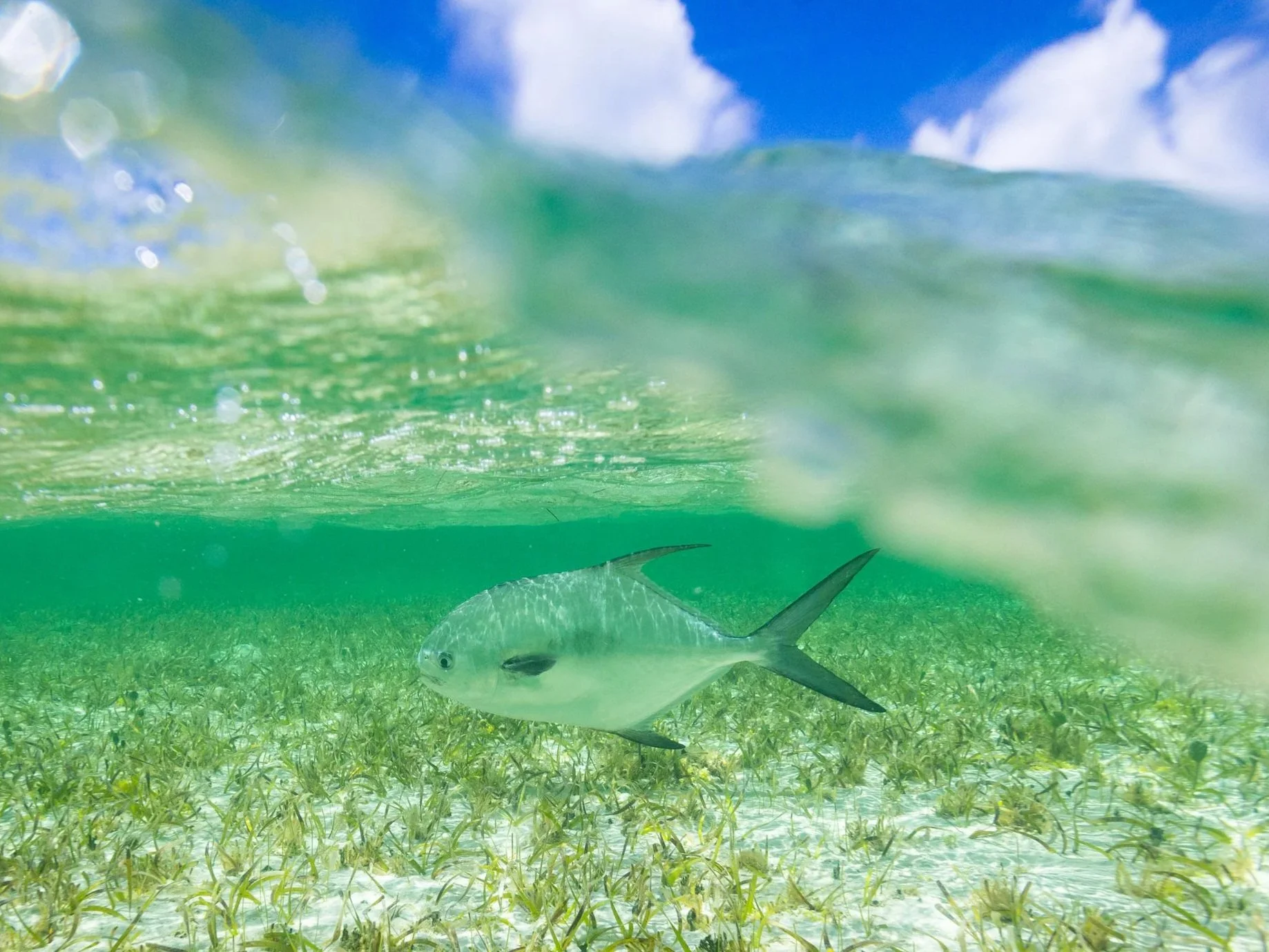
Of the many flats fishing scenarios anglers encounter while at Soul Fly Lodge, there is one that eclipses them all in terms of engagement, opportunity, and excitement for both anglers and guides: permit on a stingray. This is when a permit and ray travel and feed across a flat together, and the situation allows us to witness an intriguing aquatic relationship in action, interact with it personally, and take advantage of the unique behavior of the actively feeding permit.
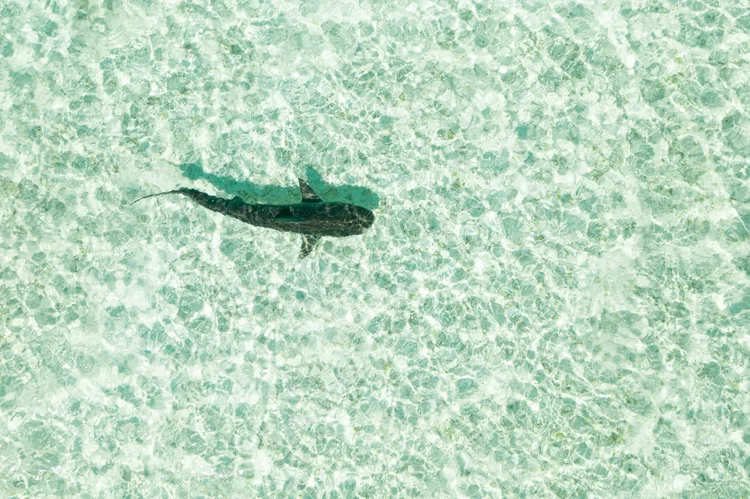
Stingrays in the Berry Islands are habitual creatures, and they travel consistent paths across our flats, feeding on crabs and shrimp along the way. When actively feeding, they displace and spook prey from the shallow bottom and into the water column, and they often create muddy clouds as they sift through the bottom substrate. This mudded, cloudy area of water can become ripe with scattering critters. Seeing as permit dine on the same prey, they will follow stingrays across the flats to take advantage of this prime feeding opportunity for themselves.
For anglers, the situation is advantageous in numerous ways: the permit is actively feeding or looking for food so it’s less concerned with predators; it creates a more-controlled and longer-than-usual window in which to present flies to the permit; the muddy water acts as a ‘veil’ to the permit, decreasing their wariness; and, it allows anglers to get closer than normal to the permit (typically on foot), thereby increasing stealth, decreasing the required casting distance, and reducing the fleeting nature of typical permit shots.
Put simply, a permit on a ray is an exceptional target, and the chances for hookups are great.
General Approach
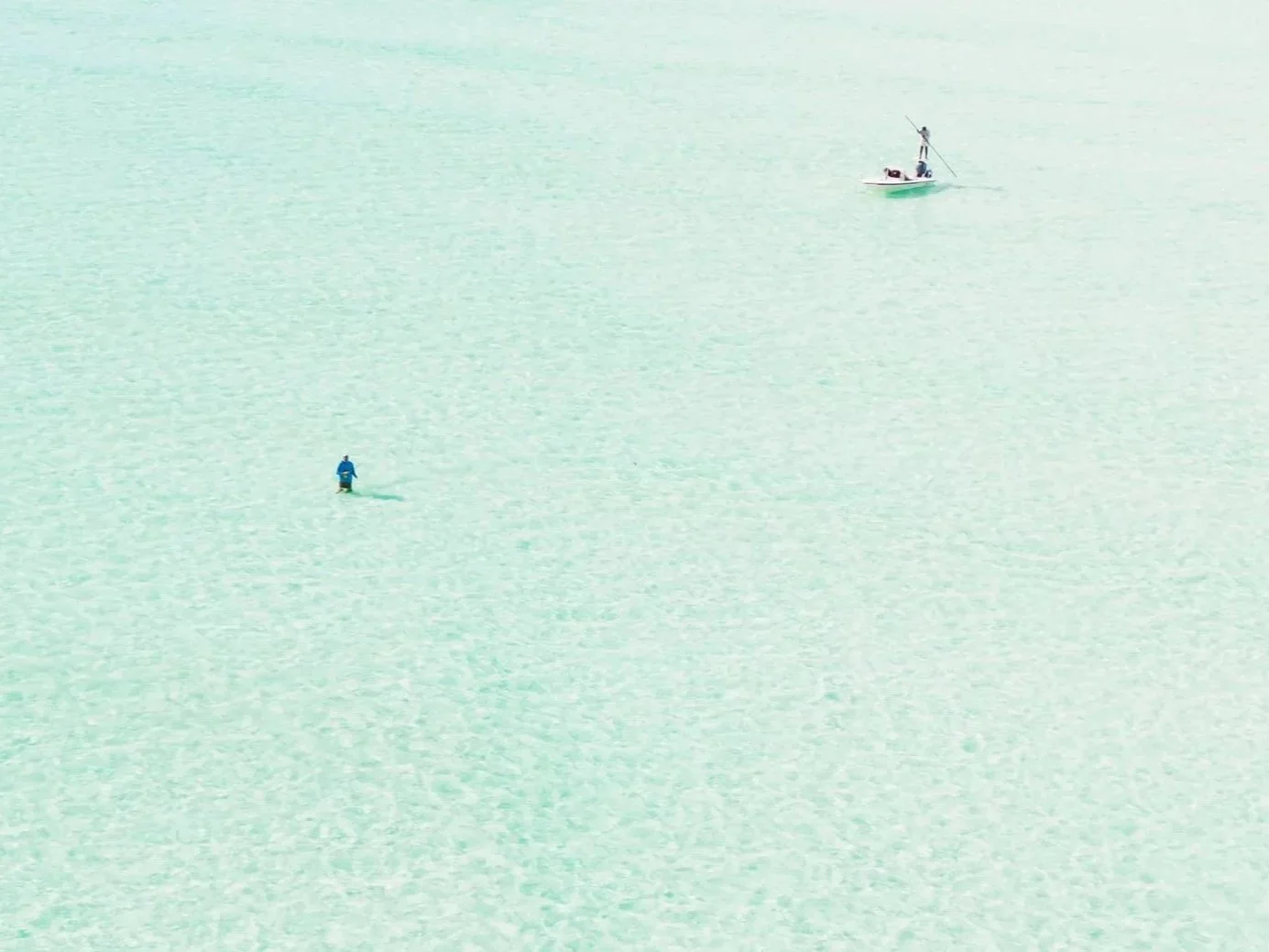
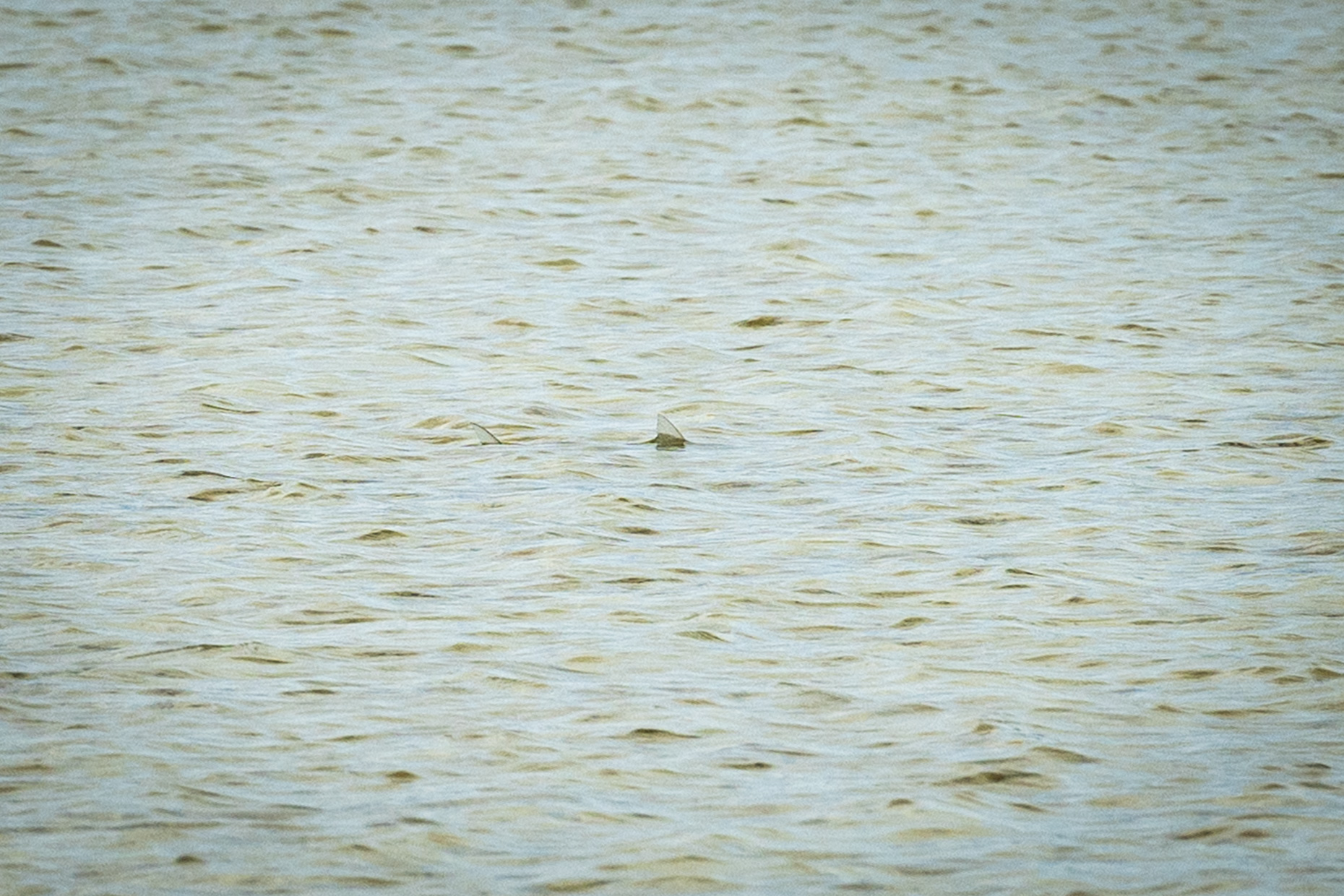
The guides at Soul Fly Lodge know our flats exceptionally well. They are tuned into the specific flats that stingrays like to travel across, and they know the specific traveling lanes that the rays use. Upon approaching these particular flats, our guides will communicate to anglers that there’s a likelihood of finding a traveling ray, and they will position their skiffs accordingly – either by poling adjacent to the traveling lanes or by holding the boat in place – in hopes of intersecting or spotting a ray from afar. The rays are large and dark in color, so they make for easy spotting.
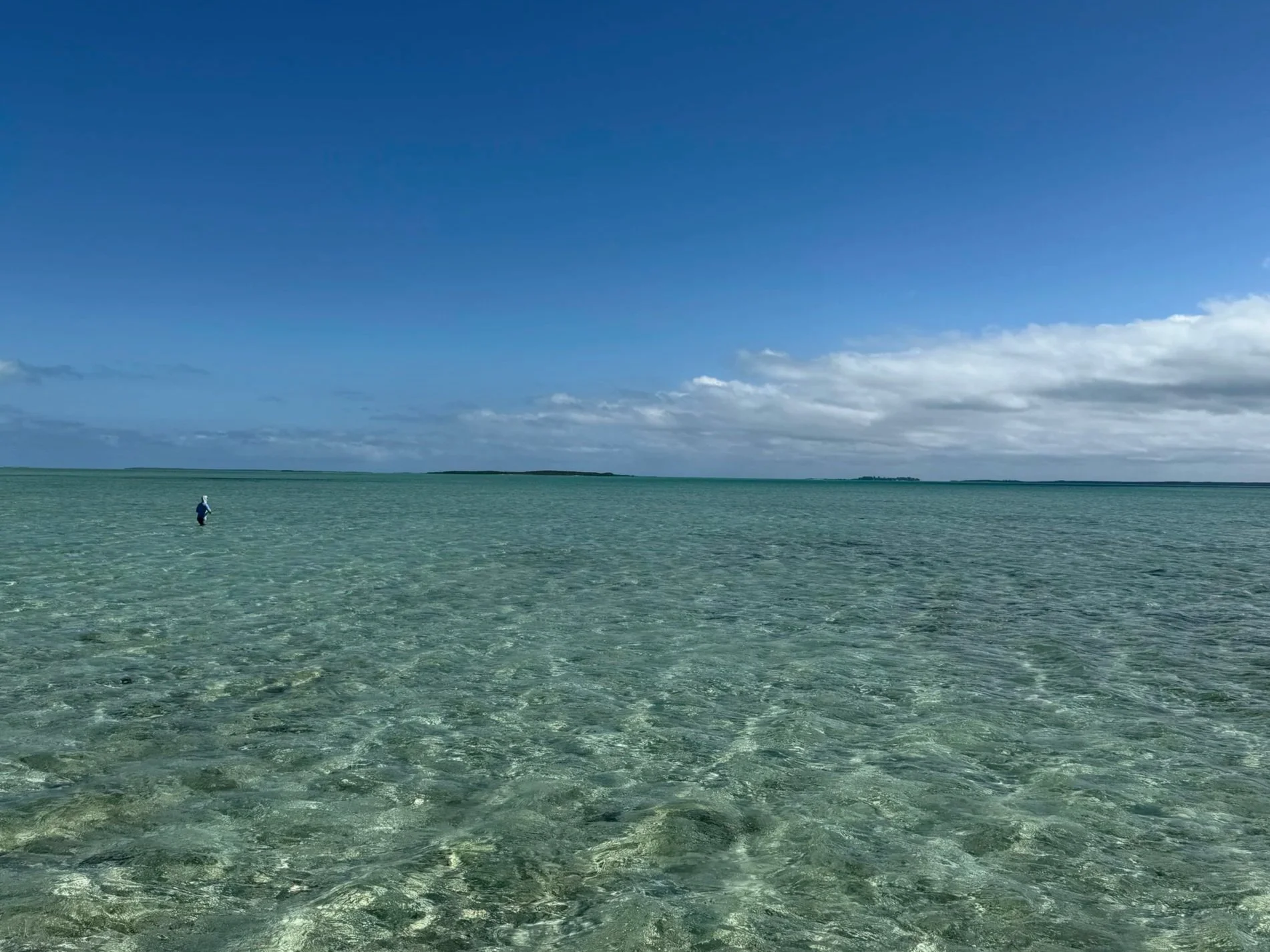
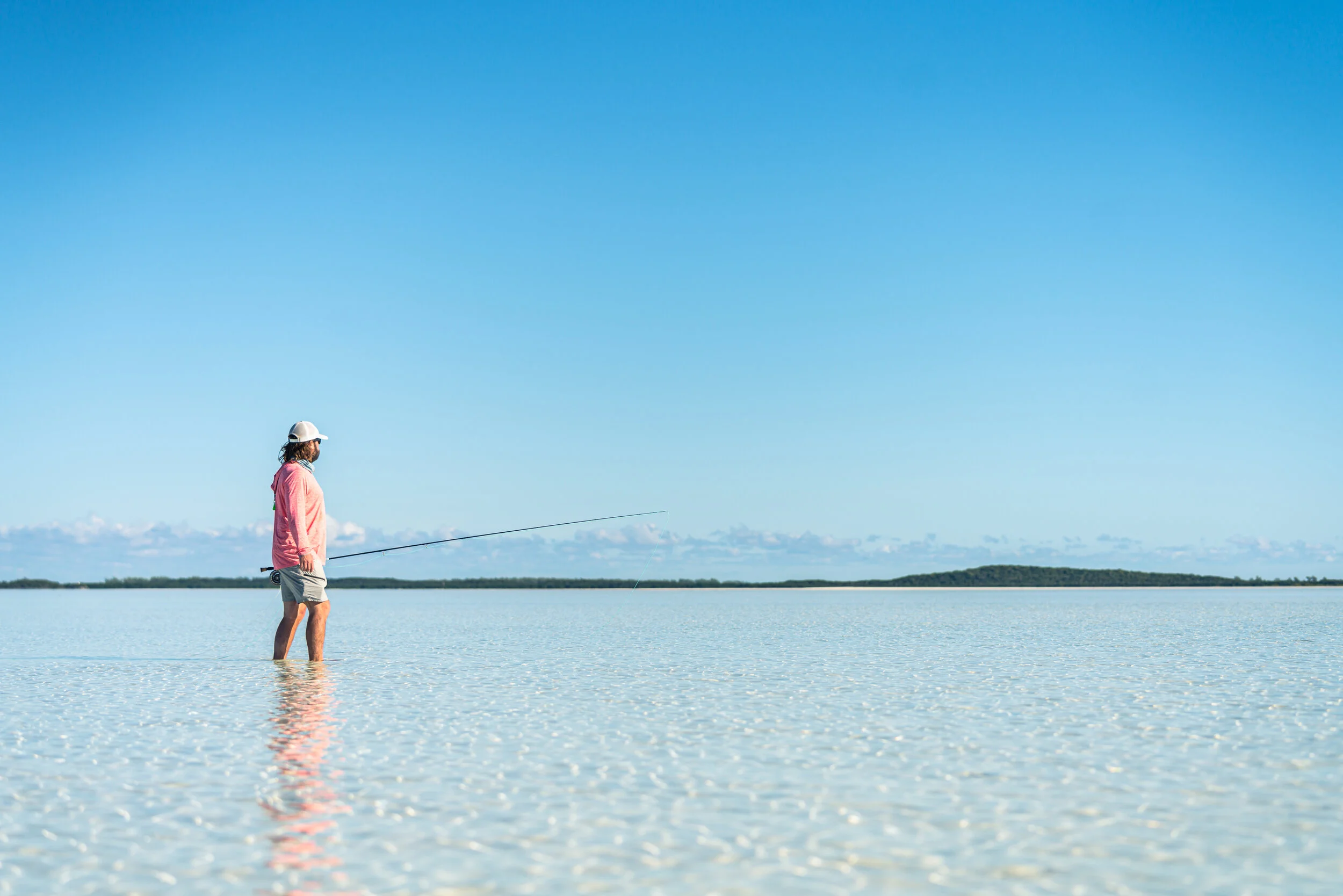
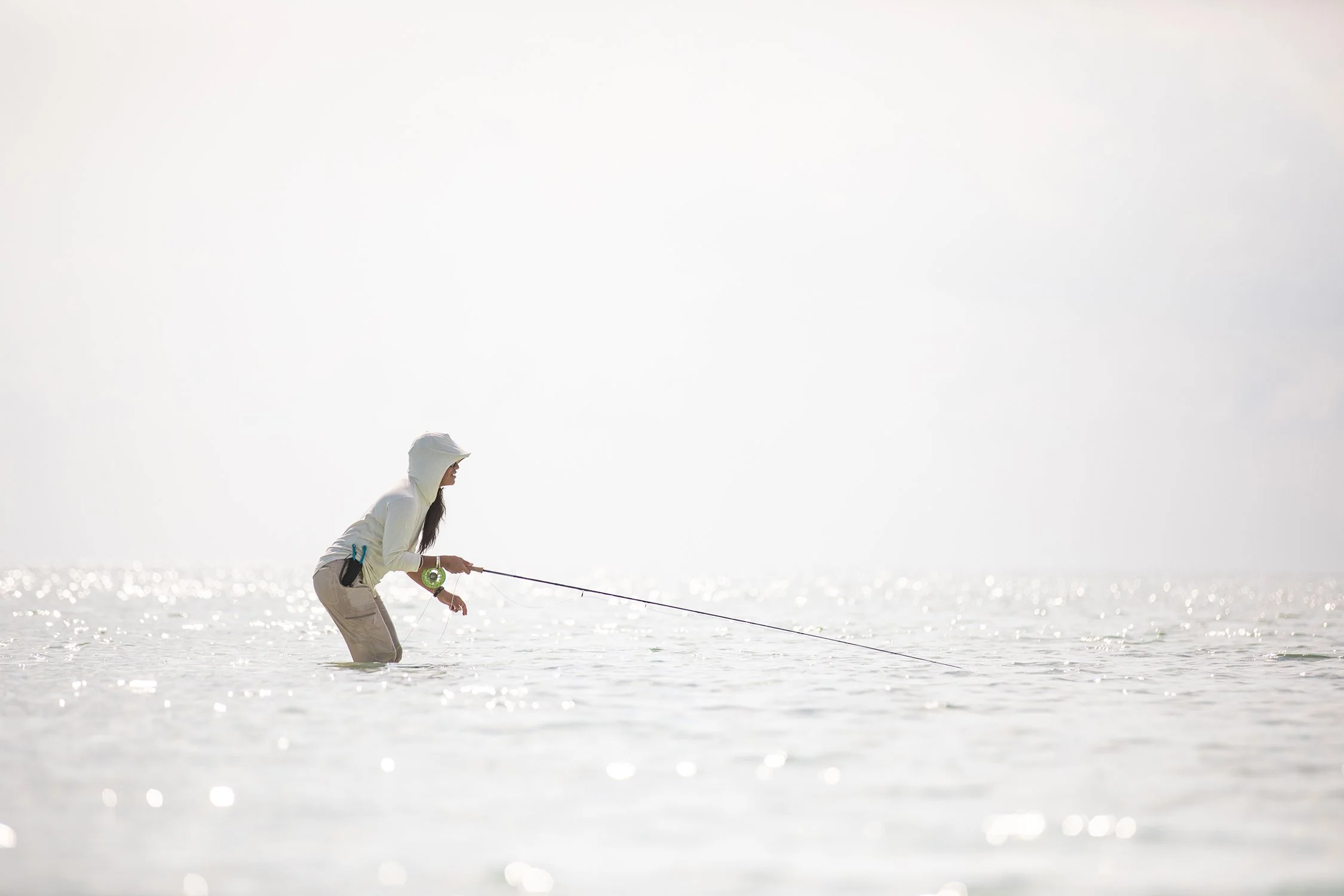
When a ray is spotted, guides and anglers look closely to see if it’s accompanied by a permit. If this is the case, the guide will move the boat to a position where the angler can get out and approach on their own, on foot. Typically, exiting the skiff takes place 150 feet or more from the ray, and the water is usually knee- to waist-deep. Once the angler is settled, the guide will pole the boat to a stealthy distance away, and then move to the bow of the boat to balance the skiff which reduces water slap against the hull.
Before getting out of the skiff, it’s important that anglers be prepared; this means having a small supply of flies and a line-cutter of some sort (nippers or pliers) on hand. Flats booties aren’t required, but they do protect against sharp shells and are recommended. Booties should be on well before the ray and permit are spotted, in an effort to remain stealthy and prepared. Once out of the boat, anglers move swiftly, but as quietly as possible (like always!). Anglers should consider the speed and direction of the ray and permit, for they are trying to position themselves close enough to make a confident and accurate cast and presentation.
It’s typically the case that the angler is on their own at this point. Communication with the guide will be limited, if at all, to remain stealthy. In the event that the guide is needed to point out the permit and ray, hand signals are preferred over shouting. Stay with the ray – that’s where a happy permit will be! This may require extended wading, changing directions, and even moving backwards. Be patient, but be aggressive; the scenario won’t last forever, and the ideal presentations are made before the permit is alerted to the angler’s presence.
General Presentation
Before exiting the boat, ensure that enough fly line is already stripped off the reel. Wade within a comfortable casting range of the ray and permit, aiming to create a confident shot. Then, once within casting range, it’s time to take the shot. Visualize everything going right, and lean into an optimistic mindset.
The permit will be in one of several different locations relative to the stingray, and the most common are covered in the following section. In general, we’re aiming to put the fly on the back of the ray, whether we can see the permit or not. If we can see the permit, we aim for the fish’s temple or the closest eyeball. We want the fish to make a decision quickly about the fly; we want to elicit a reaction where the fish doesn’t have an extended opportunity to examine the fly.
Keep in mind that prey does not attack its predator, so the best shots draw the fly away from the permit, not towards it. If the permit is tailing and actively engaged, be aggressive with the shot. We’d rather spook the fish with a well-placed shot than make the fish move a longer distance to check out the fly.
Even though you’re close to the permit and you’re ‘in its world’ (i.e., on-foot), try not to panic. Make a relaxed, comfortable cast, keeping your stroke compact and your rod tip high, avoiding slapping the fly on the water on your false casts. Before you make your shot, you may want to stack the fly line next to you, and it’s also wise to periodically check the line to make sure that it’s not snagged on anything, including yourself. Control the variables!
When within casting range, wait and watch to analyze the situation – the permit and the ray are constantly moving, and windows of opportunities will open and close repeatedly. If the ray has been mudding but isn’t once you’ve approached, give it some time to start mudding and feeding again. Similarly, if the permit is on the far side of the ray, or facing away from you, hold your cast until your presentation will move the fly away from the fish. If the perfect set up doesn’t arise, then remember to put the fly on the ray’s back. Work within your skill-set, and take the high-percentage shot that you can confidently execute.
Once the presentation is made, do your best to keep the fly line tight as you transition from making the cast into stripping and bringing your fly to life; the take could be instantaneous so staying tight to the fly is key. ‘Feather’ the cast with your line hand as it reaches its target, and swiftly transition into a long, smooth, and slow strip of the fly. If you’ve made a good shot and the fish has seen and refused the fly, change patterns – and be sure the knot is a good one! The idea is to show the fish a fresh fly that it hasn’t already examined and rejected.
Our guides will be watching closely, and it will be obvious if you hook up. Permit have soft, rubbery mouths so a long, smooth strip set — until you feel the weight of the fish — will ensure a clean hookset. Clear your line and get on the reel before signalling to the guide. If all goes well, then you can start slowly moving towards the boat; the guide will be headed your way. The guide will keenly be watching your every move, including the potential of other fish approaching.
Specific Scenarios
As the permit and stingray move across the flat, their position relative to one another and to the angler will change. Here are a few specific scenarios to look for, and how we recommend anglers approach and present the fly in each. Thanks to our friend, Florida-based graphic designer, artist, and conservationist Oona Watkins for these great visual representations!
Permit Behind Stingray
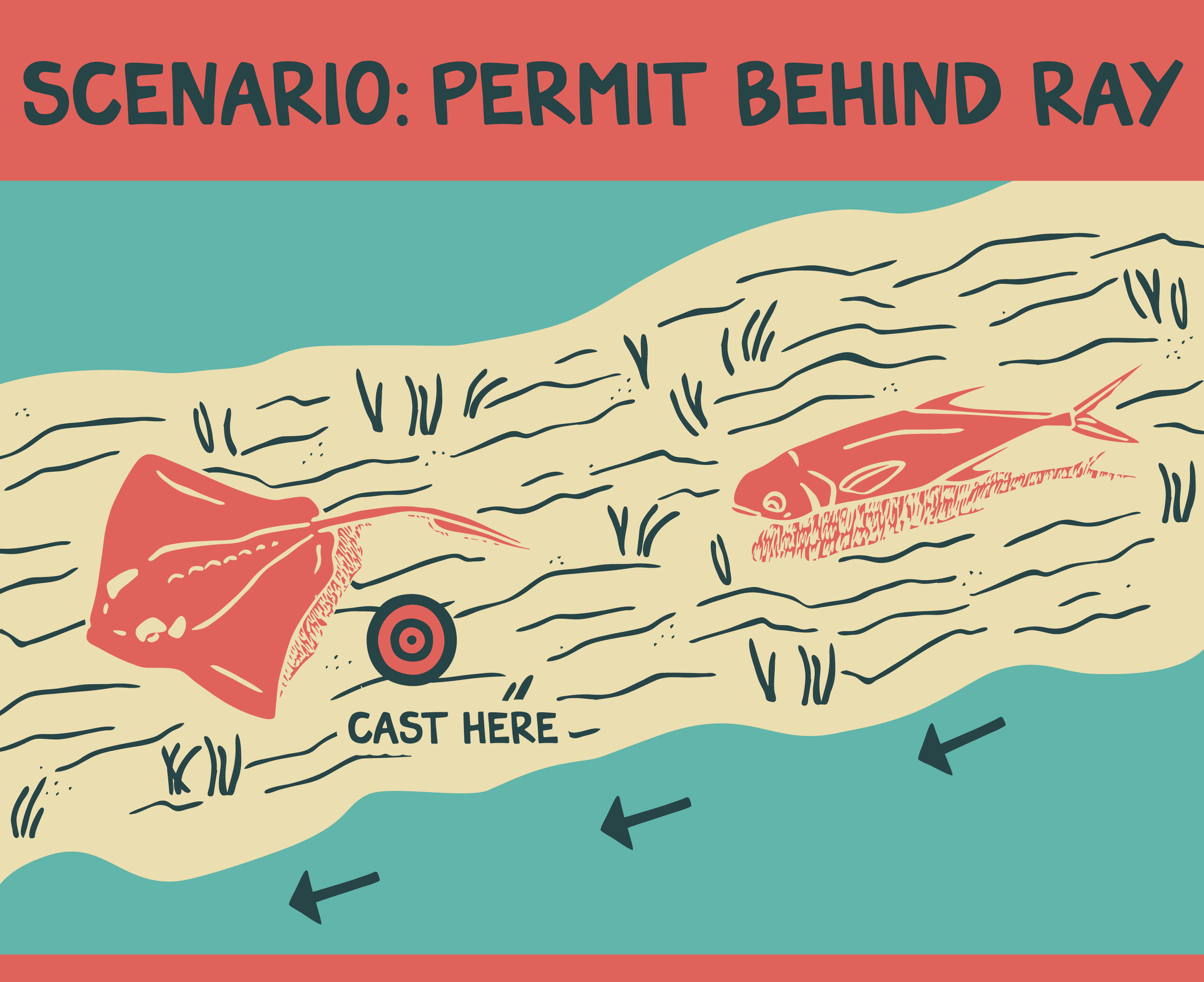
In this scenario, our aim is just behind the ray, without crossing the permit with our leader or fly line. Such a cast will provide a great presentation angle and quickly show the fish the fly, which the permit will perceive as freshly-flushed prey by the stingray’s presence.
Permit Moving Away from Stingray
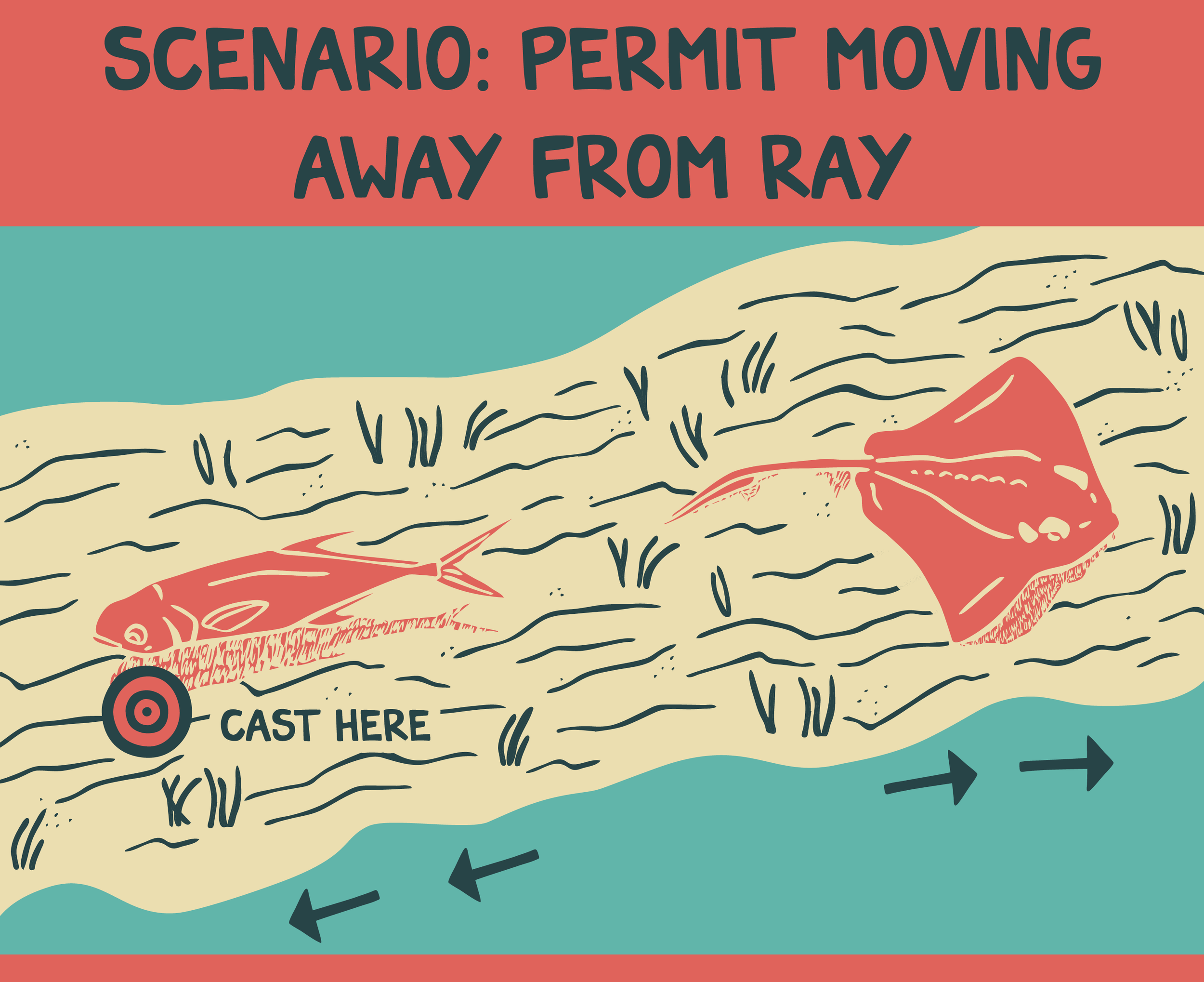
Here, we’re aiming for the temple of the permit, again careful not to cross it. Be aggressive with this shot; the permit is feeding or looking to, so we want to make our fly an easy target that is easily mistaken for the real thing.
Permit to the Side, Facing Stingray
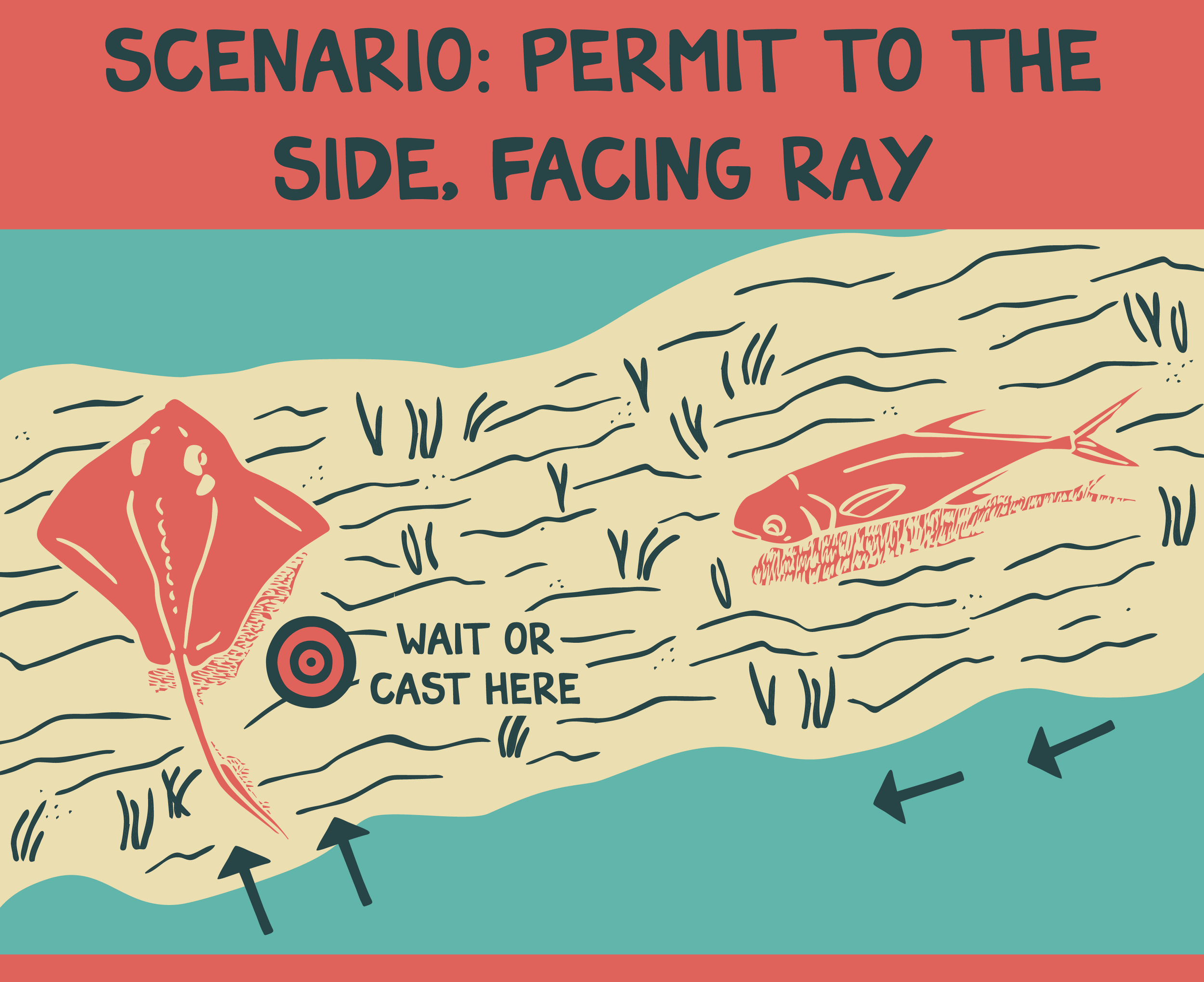
When the permit and the ray are not ‘in-line,’ we recommend either waiting for their position to change (to one of the scenarios above), or – if we are extremely confident in our cast – we can again aim for the back of the ray. Examine this situation carefully, and only take a shot if the presentation of the fly will not move it towards the permit. If, after making a cast, you feel the angle will strip the fly into the permit at a less than ideal direction, it is recommended to let the fly drop to the bottom, then wait and see how the situation develops. Hopefully, the permit will change its position, giving you the opportunity to slowly strip the fly out of the zone for a recast. Take deep breaths and stay calm!
Multiple Permit on a Stingray
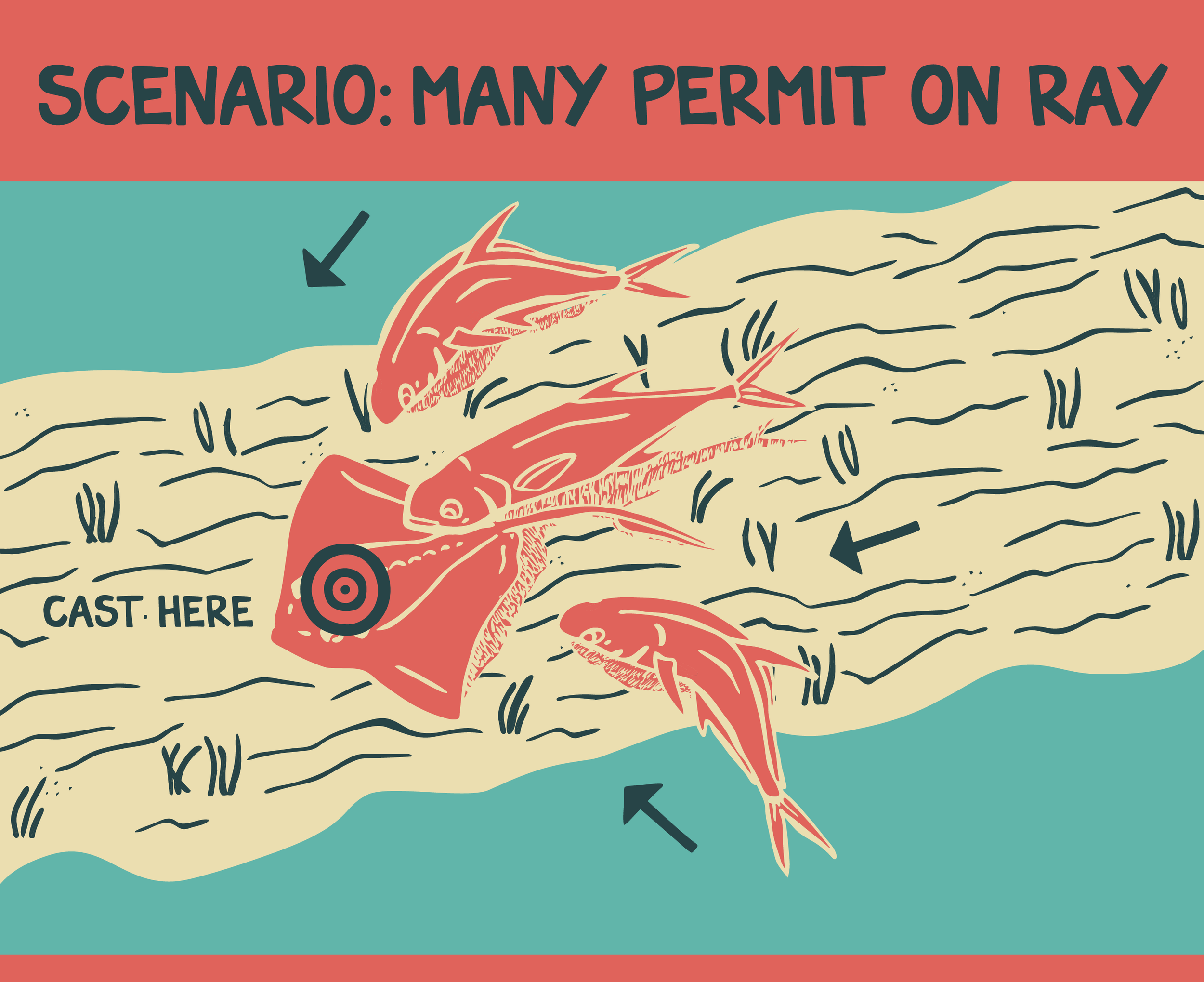
If this scenario arises, make a short prayer of thanks, because it may be your lucky day! While not uncommon during peak permit season, numerous permit on a ray adds an element of feeding competition to the already-advantageous situation. Aim for the back of the stingray, and when the fly lands, immediately get tight and start a long, slow strip.
Three Things to Remember
With heart-racing opportunities like fishing permit on a stingray, we want to boil this down to a few simple reminders to follow and commit to memory:
- Get into your casting range as quickly and quietly as possible. When it comes to casting, slow is smooth and smooth is fast.
- Deliver an aggressive presentation that drops the fly within three feet of the fish. Presentations that require the fish to move six to ten feet, or even longer distances, to examine the fly will greatly reduce hookup percentages. The idea is to force the fish into a quick decision.
- BELIEVE! The power of positivity and believing in your ability to fool fly rodding's toughest fish on the flats will pay dividends. Believing in yourself and your abilities will enable you to elevate your mindset and your skill set to best meet this exciting challenge.
Conclusion
The Bahamas flats are a constantly-changing angling arena that offers numerous challenges and opportunities in the pursuit of permit, bonefish, triggerfish, barracuda, and other species. Among the many scenarios that may arise over the course of a week-long stay at Soul Fly Lodge, permit on stingrays are especially captivating, and offer a close-up glimpse of the unique relationship between two of the most intriguing species in the Berry Islands. For fly anglers fortunate enough to encounter and intersect these traveling flats companions, having a foundation of knowledge beforehand on what to expect and how to approach is often the difference between having a permit on the line and watching one swim away. We embrace a lifetime of learning at Soul Fly, and that goes for all of us, including guides, anglers, and our entire team – let’s elevate together and create special moments.


.jpg)