.svg)

Chapter 15: The Inner Game of Permit Fishing
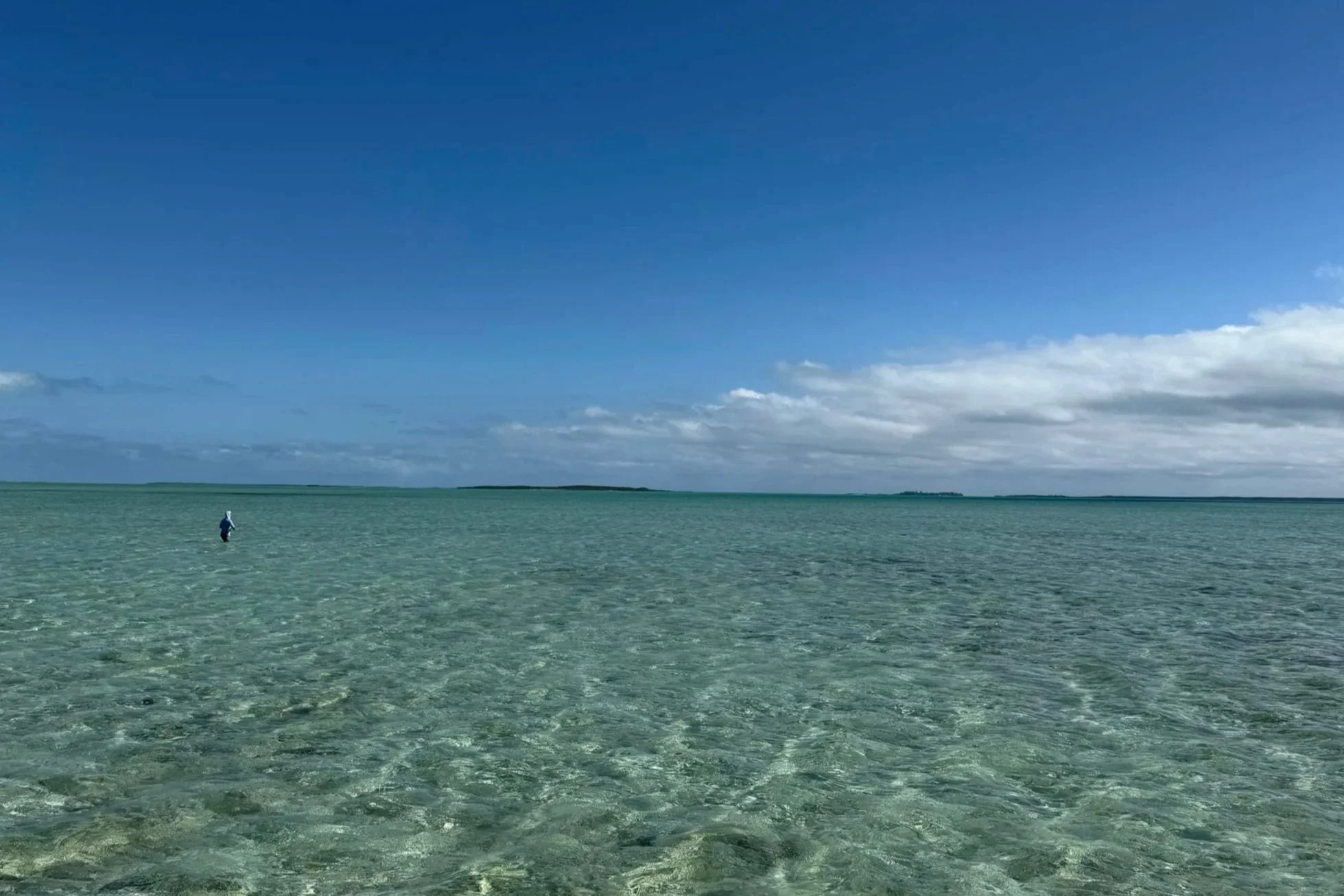
The first time I went permit fishing, I caught the second fish I saw. This statement has more than once been met with a curt, “Screw you.” Call it beginner’s luck, dumb luck, or whatever you want—it happened.
Prior to the trip, my only introduction to permit fishing had been a few tales from friends and Thomas McGuane’s essay, The Longest Silence. “No form of fishing offers such elaborate silences as fly fishing for permit,” he wrote, before detailing several magnificent ways to lose one. While McGuane’s story did its best to curb my expectations, I’d be lying if I said I didn’t think I’d get one. It could’ve been my ignorance or my ego talking; maybe every first-time permit angler thinks as much.
—
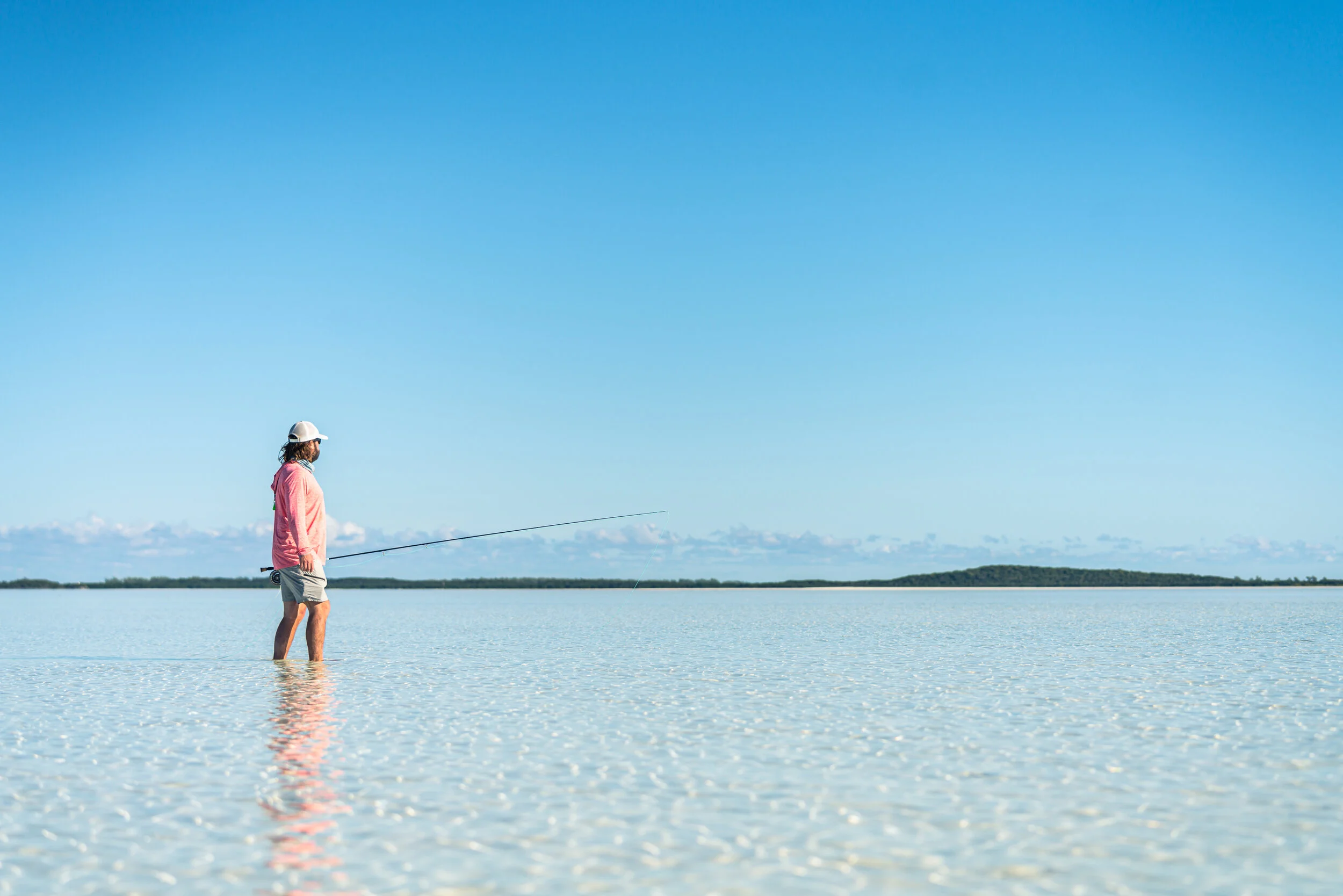
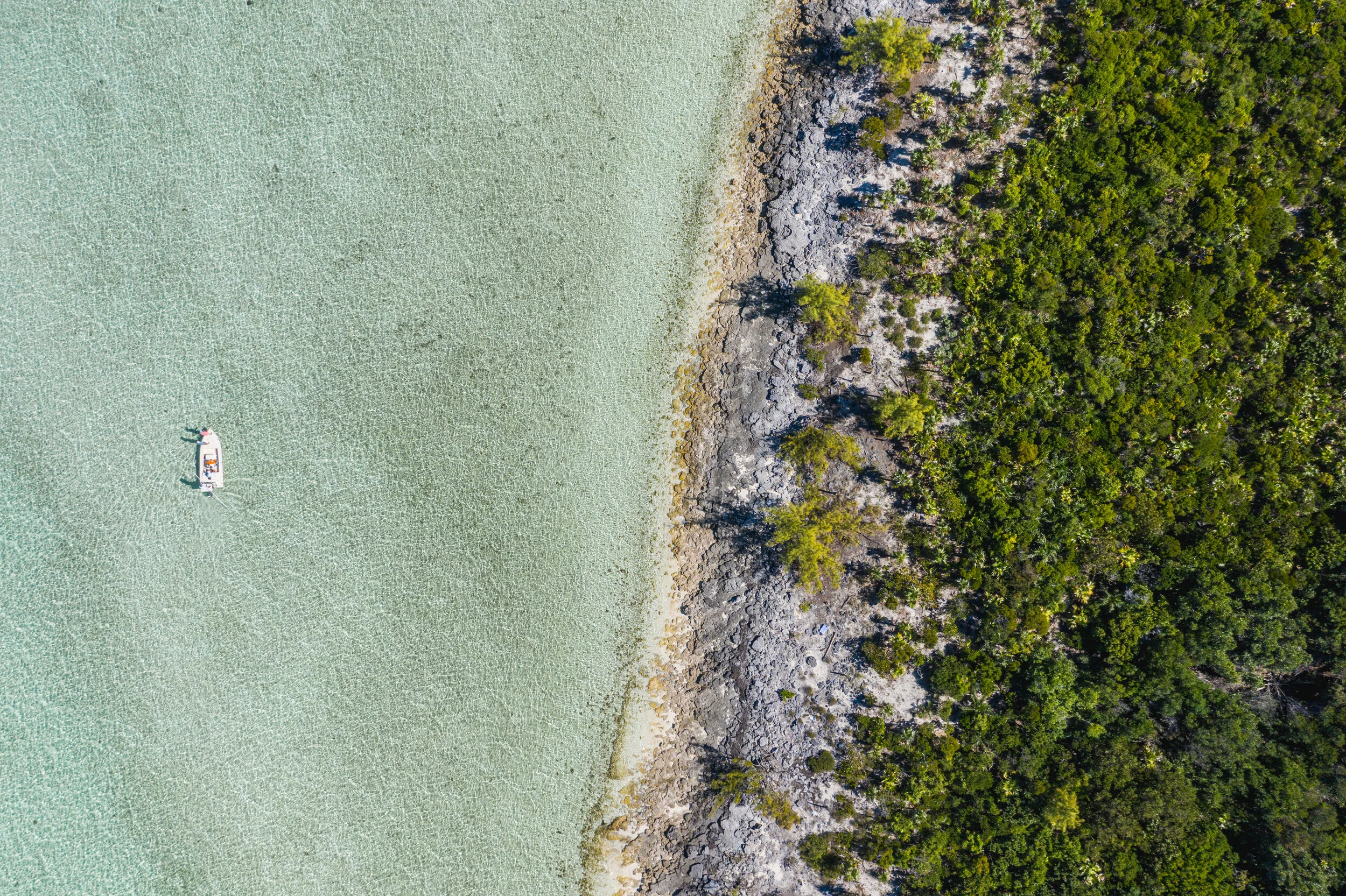
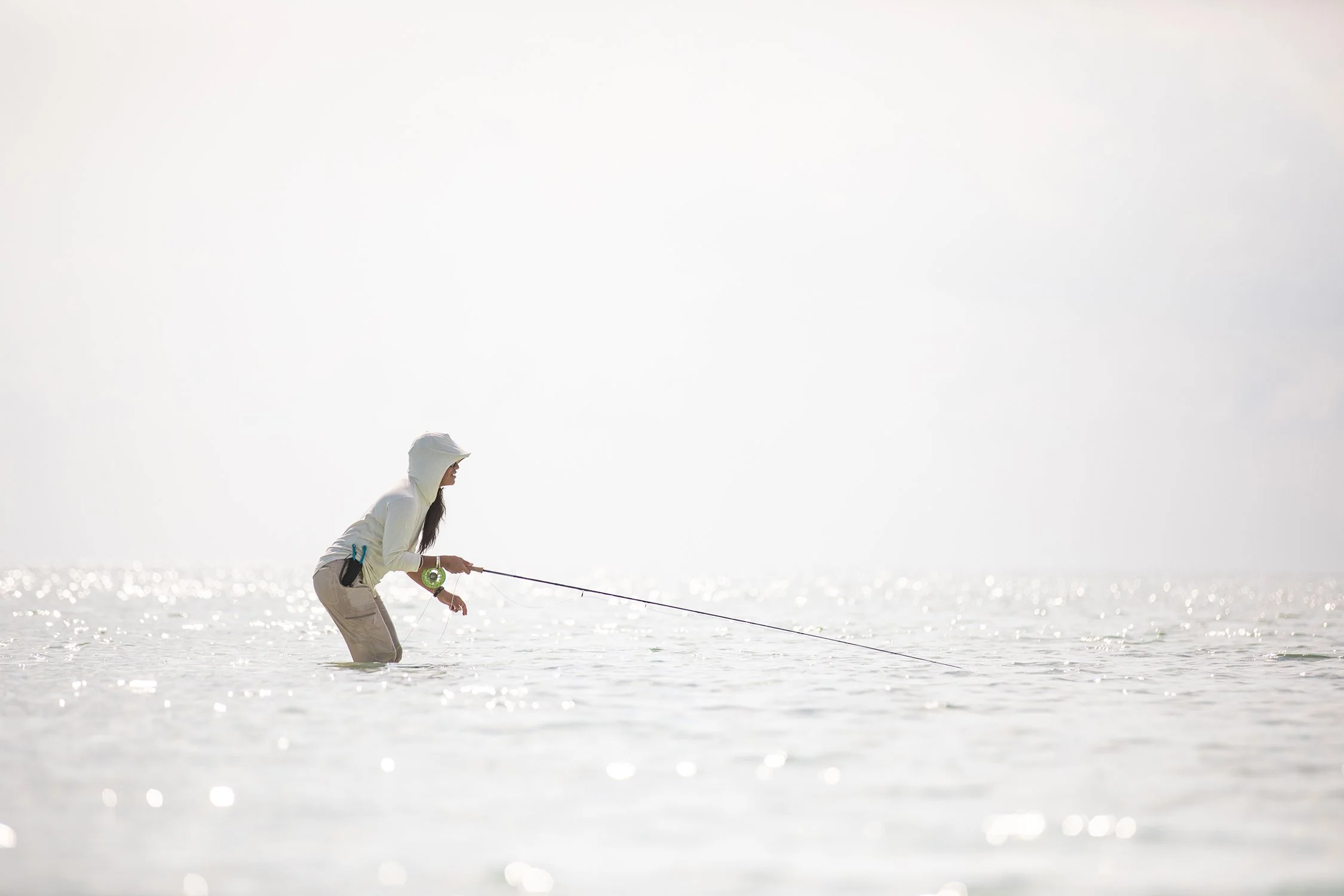
We left the marina early and ran to the Marquesas, twenty or so miles west of Key West. I had been there a couple of years prior to tarpon fish, but studied the islands on maps to familiarize myself with them in between my visits. To no avail, as it turned out: after we entered the interior and turned into one small bay, I was soon disoriented.
Drifting into the bay, we reviewed tactics—fly placement and retrieval, specifically. As the guest, I was offered the casting platform first, but I was happy to let my fishing partner Nat have the first shots. I wanted the chance to watch and get a better idea of what the game was. Listening to guides and more-experienced anglers will always be valuable, but when possible, I’ve found that watching them fish is just as much an education. You may not be able to replicate what they do exactly, but at least you’ll know what it should look like.
In his book, The Inner Game of Tennis, W. Timothy Gallwey speaks to this concept of watching or “experiencing” something as a way to learn, improve upon, or emulate an action. One example he gives is of a student who has long struggled with his backhand swing but finally sees improvement after he observes his own faulty stroke in a mirror. I believe this holds true in angling, as well; especially sight fishing, where we’re typically required to execute a very particular presentation to get the fish to eat.
Gallwey writes, “…all good pros and students of tennis must learn that images are better than words, showing better than telling, too much instruction worse than none… [the student] simply absorbs visually the image in front of him.”
—
About to take my first shot at a permit, I was armed with a fresh mental image of how it should go down: where the fly should land, how it should be moved, how to set the hook. The presentation Nat had just achieved wasn’t complicated; it didn’t involve any skill or tactic that I hadn’t executed before. I just had to replicate what I’d witnessed. “…the perfect strokes are already within us waiting to be discovered,” Gallwey says.
My first shot panned out like most shots at permit probably do: the fish came in quickly, I made an inaccurate cast, the fish either didn’t see it or didn’t like what it saw, and then it was gone. The diagnosis was easy, though—the cast simply wasn’t close enough. Non-judgmental awareness is another strategy Gallwey promotes for success in The Inner Game. “Judgment is the act of assigning a negative or positive value to an event,” he writes. “Letting go of judgments does not mean ignoring errors. It simply means seeing events as they are and not adding anything to them.”
—
I’d like to think that my mind was clear while we looked for another fish, my focus solely on the task at hand as opposed to reliving my failure, but this unfortunately isn’t my own tendency. Forgetting past mistakes, that’s another key to success in The Inner Game: “The greatest lapses in concentration come when we allow our minds to project what is about to happen or to dwell on what has already happened. To avoid these lapses in concentration, we must return to the here and the now… The ghosts of the past and the monsters of the future disappear when all one’s conscious energy is employed in understanding the present.”
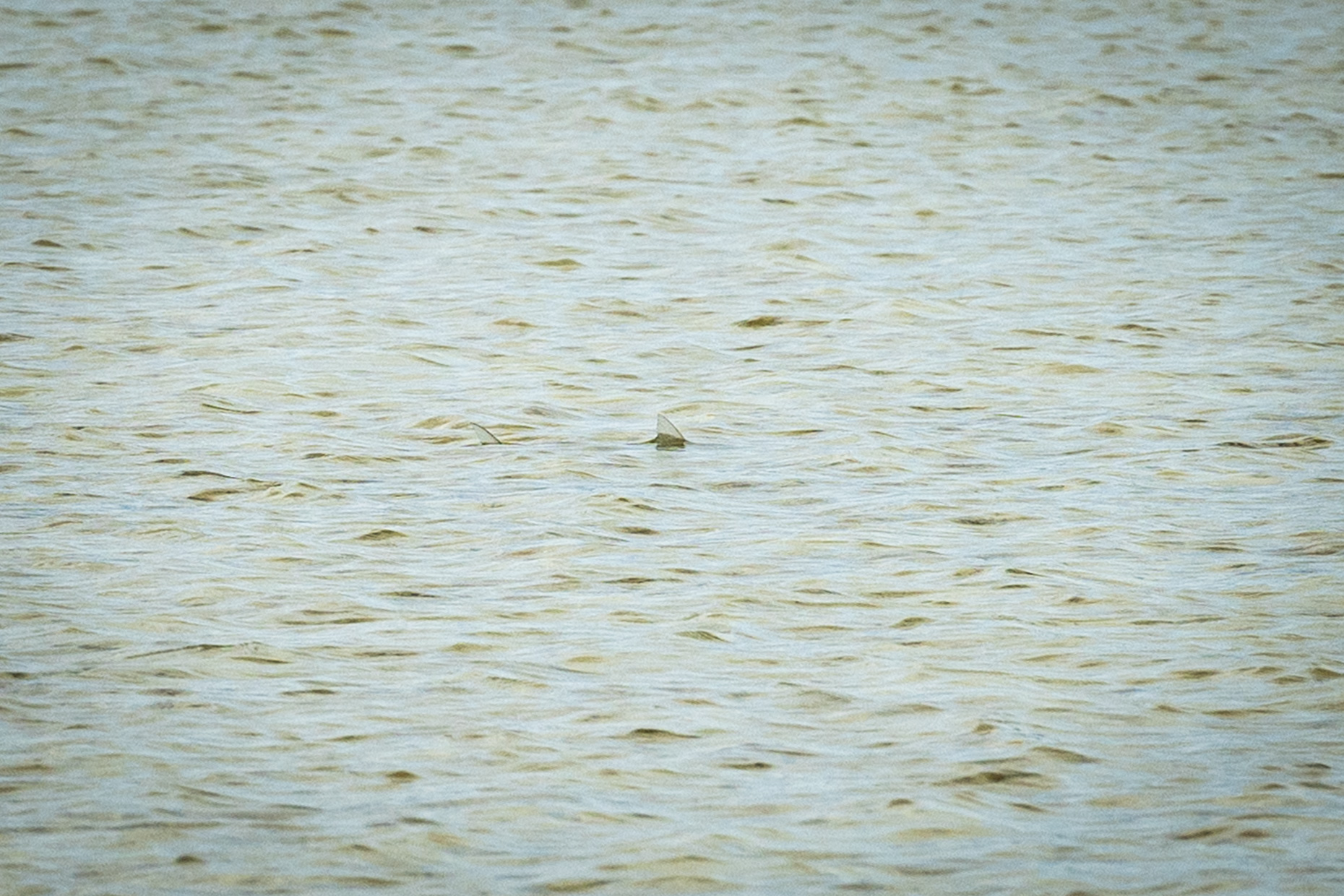
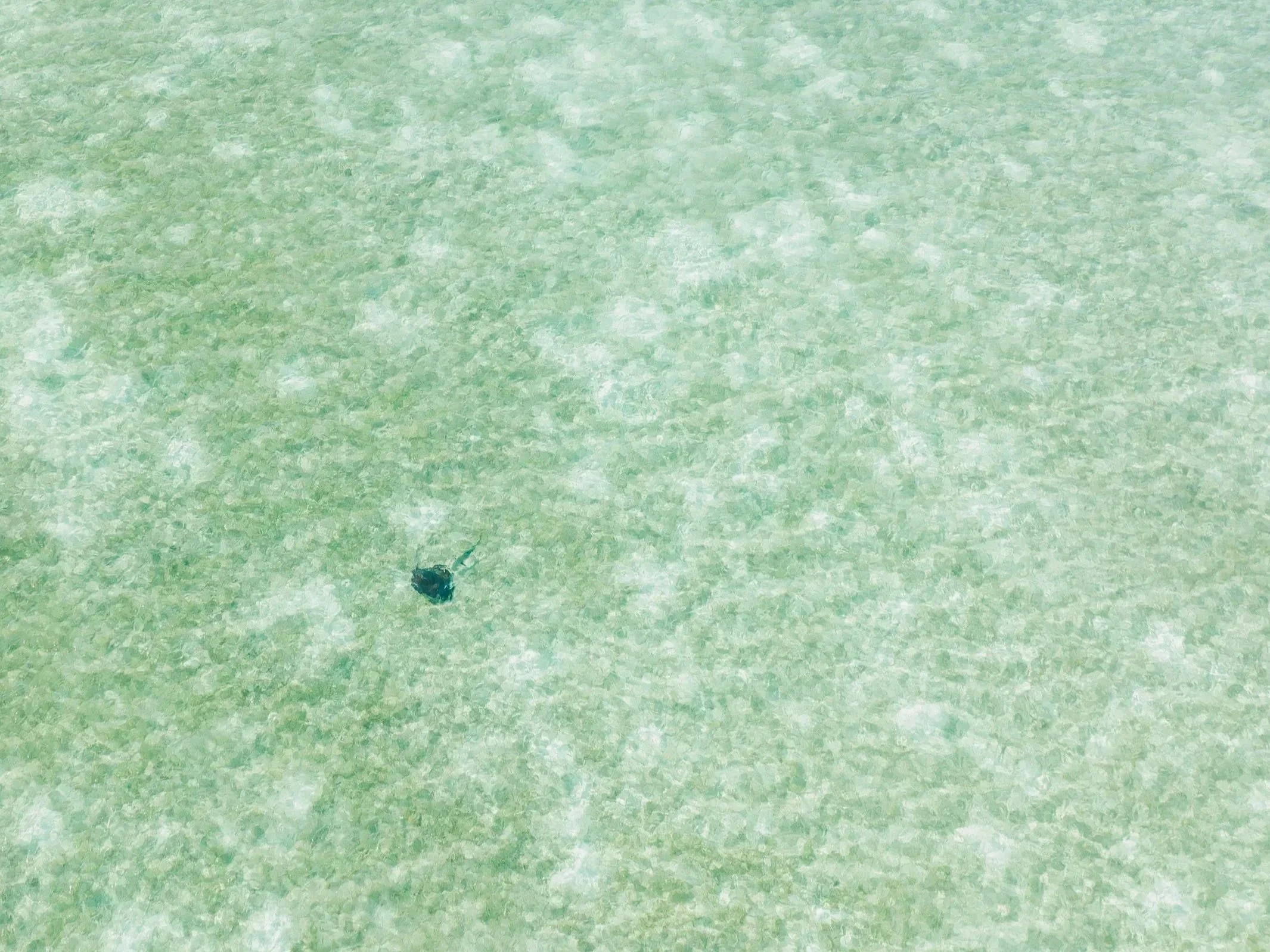
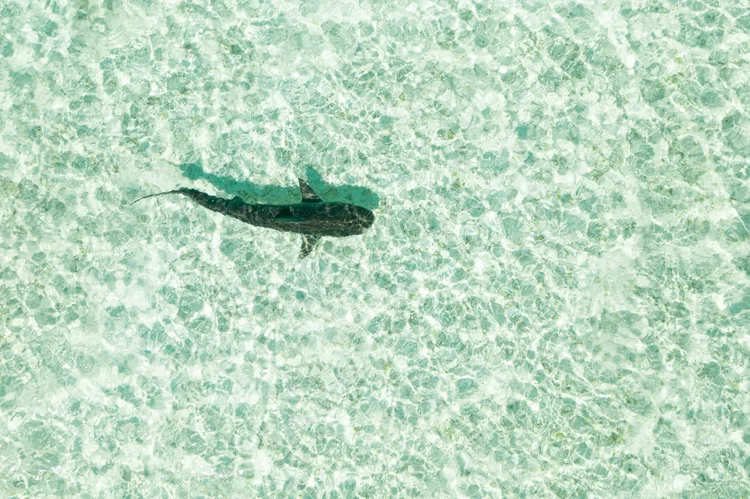
I picked up a couple of shadows moving towards us just as Doug called them out as a pair of permit. When near enough, I casted.
“Good,” said Doug calmly, as if responding to an inquiry over the morning’s cup of coffee.
The fly sank.
“Short strip.”
I moved the fly a half a foot.
“Let it sit.”
Again, the fly fell.
“Long strip.”
Earlier in the day, Doug told me how he liked to call out eats to his anglers: instead of telling his clients to set the hook, he would tell them to make a long strip, which would actually set the hook. The idea here is that an instruction to make a supposed presentation move keeps the angler calm, as opposed to alerting them that the fish they’d traveled so far to catch has actually eaten their fly. Sure enough, as I made my long strip, the line came into tension.
Muscle memory took over, and I finished the strip firmly and sunk the hook. I carried out all these actions without wondering how to perform them or consciously thinking about any of them. This is what Gallwey refers to as letting it happen. “Trusting your body in tennis means letting your body hit the ball. The key word is ‘let.’ You trust in the competence of your body and its brain, and you let it swing the racket.”
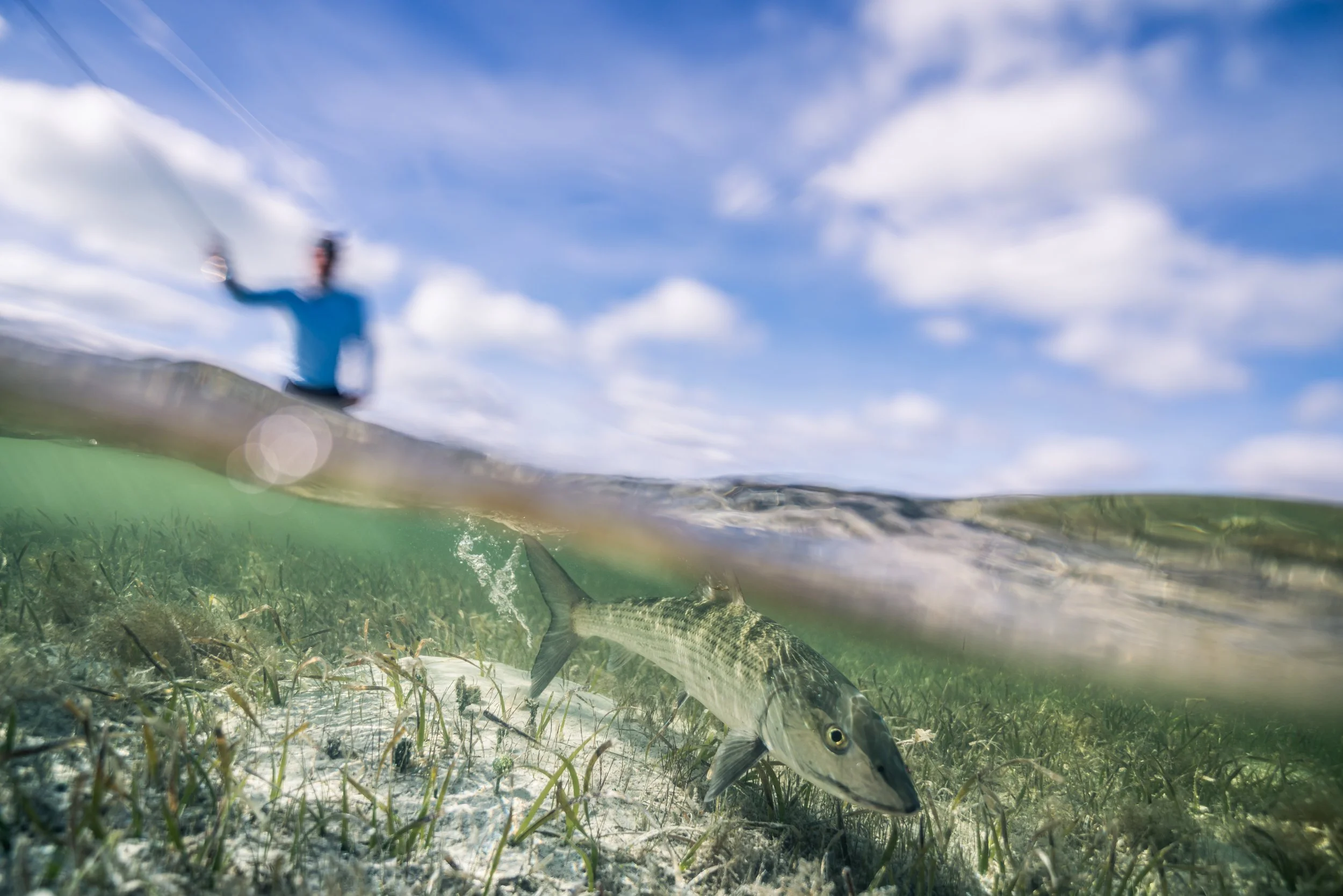
Fly line cleared without incident. The fish was on the reel, and then it took off. I nervously asked questions about rod angle and pressure, but Doug laughed them all off.
“Just enjoy it,” he said.
—
Many times, I’ve debated the advantages of employing a fishing guide versus a do-it-yourself fishing experience. While it is surely a great feeling to have “figured out” a fishery on your own, there’s no question as to whether a good guide can help speed up the learning process or teach you things that you might not have learned otherwise.
After studying The Inner Game, though, I now view the guided trip in a slightly different light: one that’s much more than a lesson, an education, and the gift of a fish in the net, even though guided trips are often all of those as well. There’s an analogy Gallwey uses in his book that speaks to this. “The surfer waits for the big wave because he values the challenge it presents. He values the obstacles the wave puts between him and riding the wave to the beach. Why? Because it is those very obstacles, the size and churning power of the wave, which draw from the surfer his greatest effort. It is only against the big waves that he is required to use all his skill, all his courage and concentration to overcome; only then can he realize the true limits of his capacities…the more challenging the obstacle he faces, the greater the opportunity for the surfer to discover and extend his true potential.”
I’ve come to believe that a great fishing guide is less a competent instructor (though they usually are that, too) and more of a companion in the angler’s quest to discover and unlock their potential, helping to lead them to their ‘big wave.’ When the quarry is an extremely difficult fish—be it permit, tarpon, large spooky trout or otherwise—a great guide puts us in the position to unleash our best casts, to make our best presentations, and to land our most memorable fish.

.jpg)