.svg)

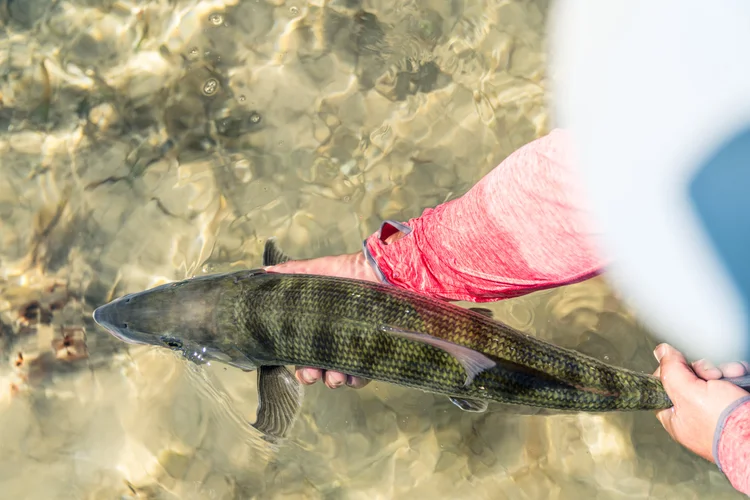
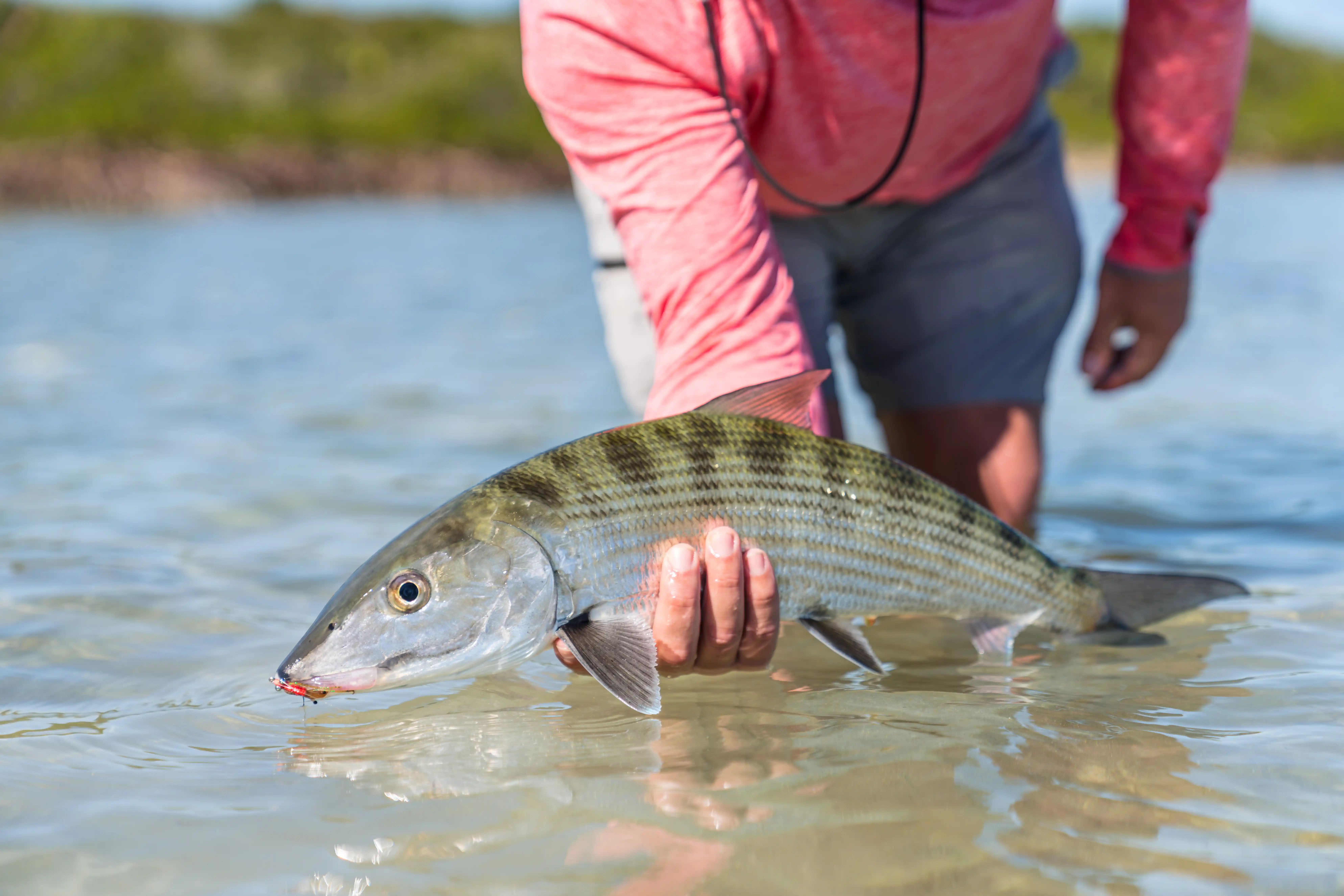
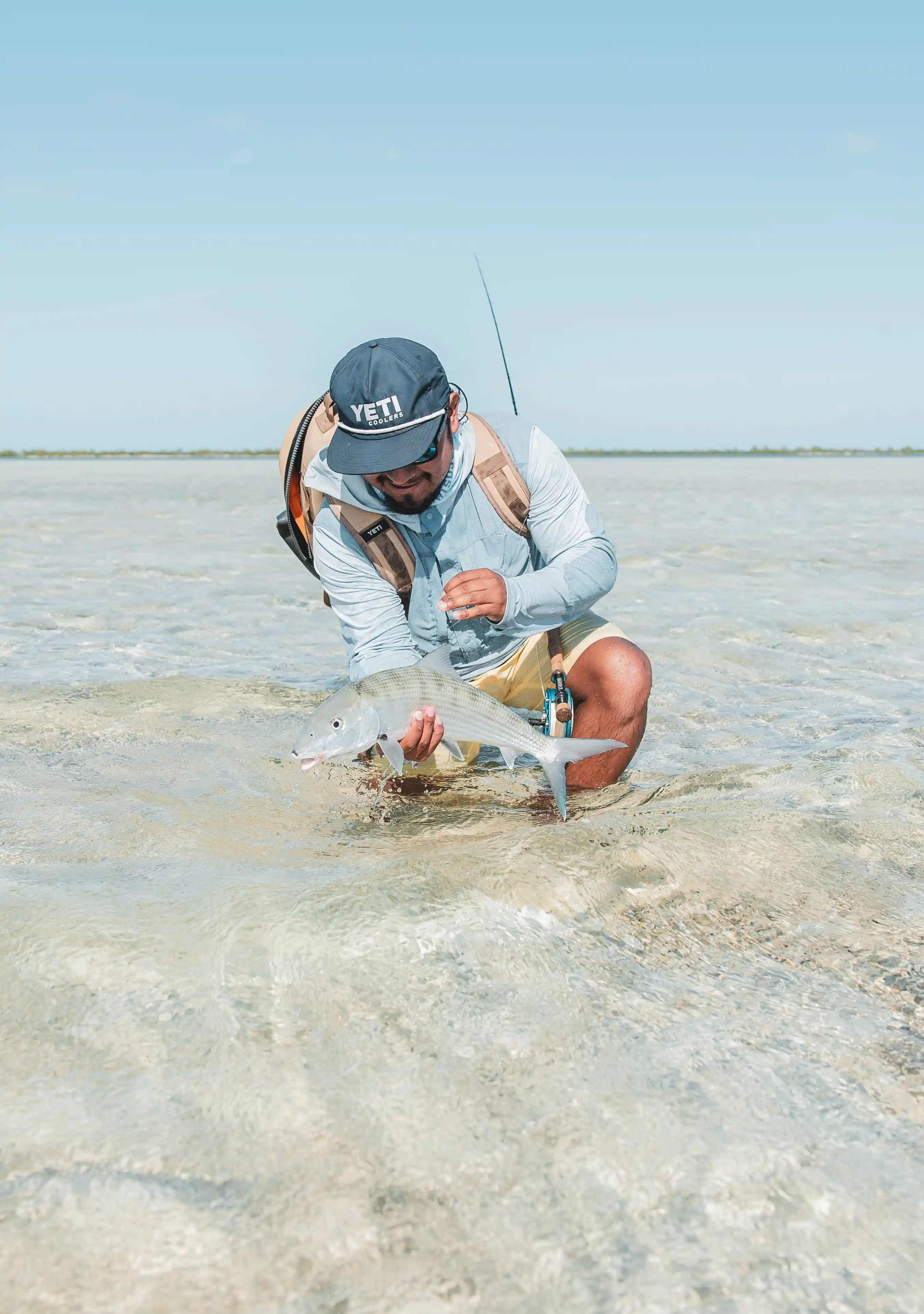
Between the healthy bonefish populations, the size to which these bones are capable of growing, the sheer volume and variety of productive water types and fishing scenarios available, and the region’s rich culture history in the pursuit, The Bahamas are the mecca for anyone passionate about fly fishing for bonefish. Plus, from the perspective of Percy Darville, the longest-running guide in the Berry Islands with over five decades of experience, the bonefishing has never been better in the island chain.
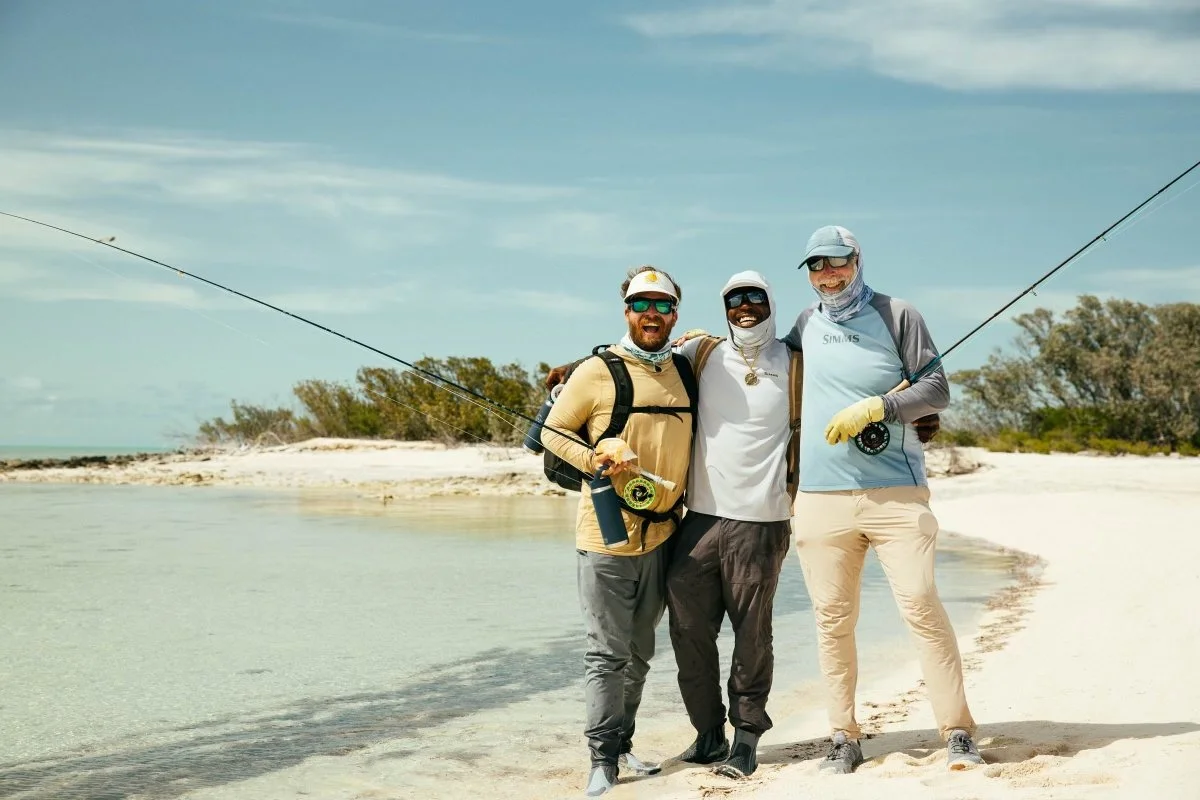
In this installment of our continued efforts to educate and prepare our guests for their days in the Berry Islands, we’re looking at a specific scenario of bonefishing which, to many, represents the ultimate form: skinny water. As always, we’ve enlisted the help of our experienced guides – Percy, Freddie, Travis, Chester, LJ, and Malik – along with lodge staff, artists, and fishy friends to illustrate a few key fishing situations, and share our angling approaches to each.
The Scenario
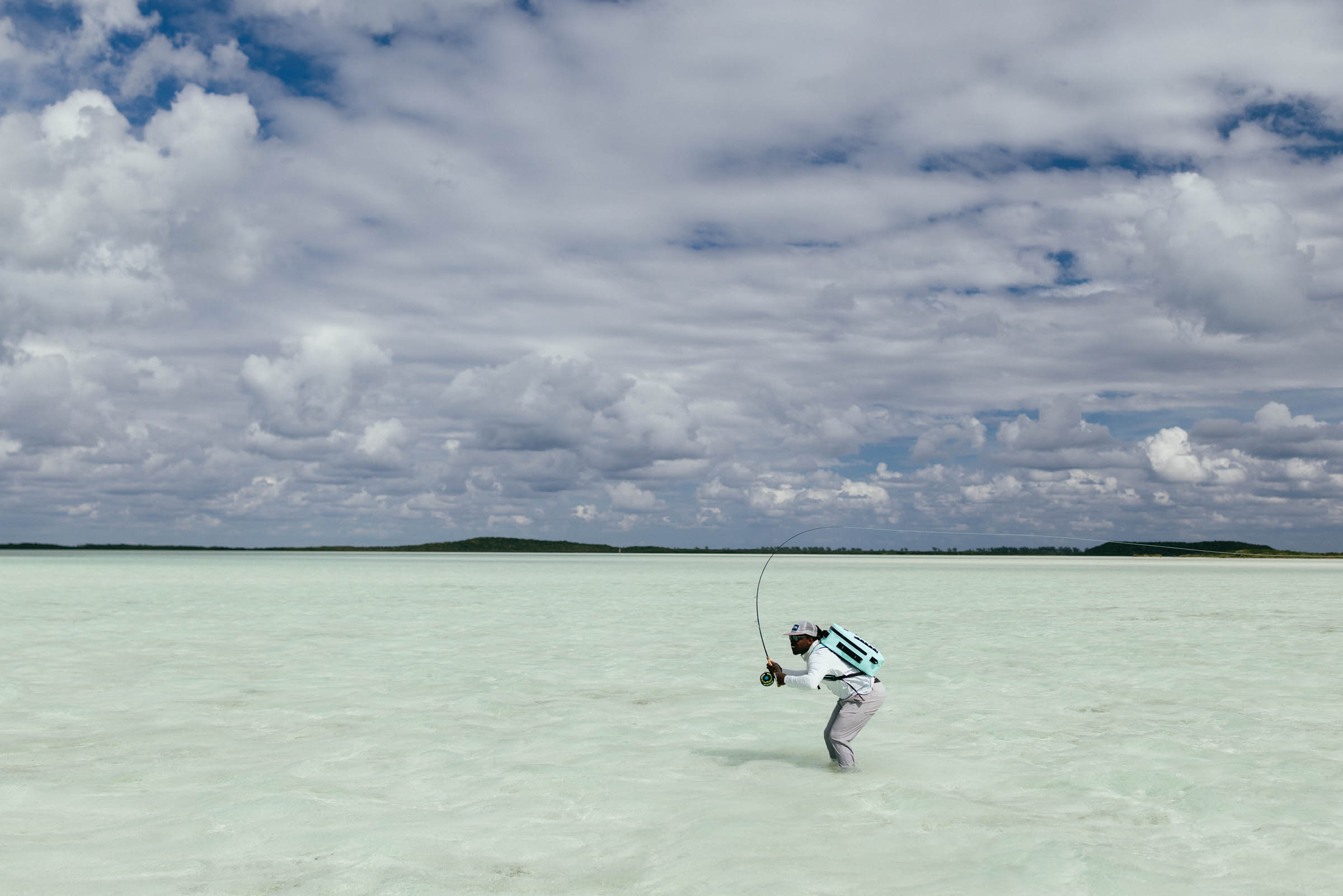
Skinny water bonefishing is the most visual form of bonefishing, and like the permit on a ray scenario, the window of opportunity for a successful hookup is wide open. In skinny water, both anglers and bonefish are on the same, level playing field, and every interaction and shot is challenging yet attainable. Added together, this is exactly why our guests come to The Berry Islands!
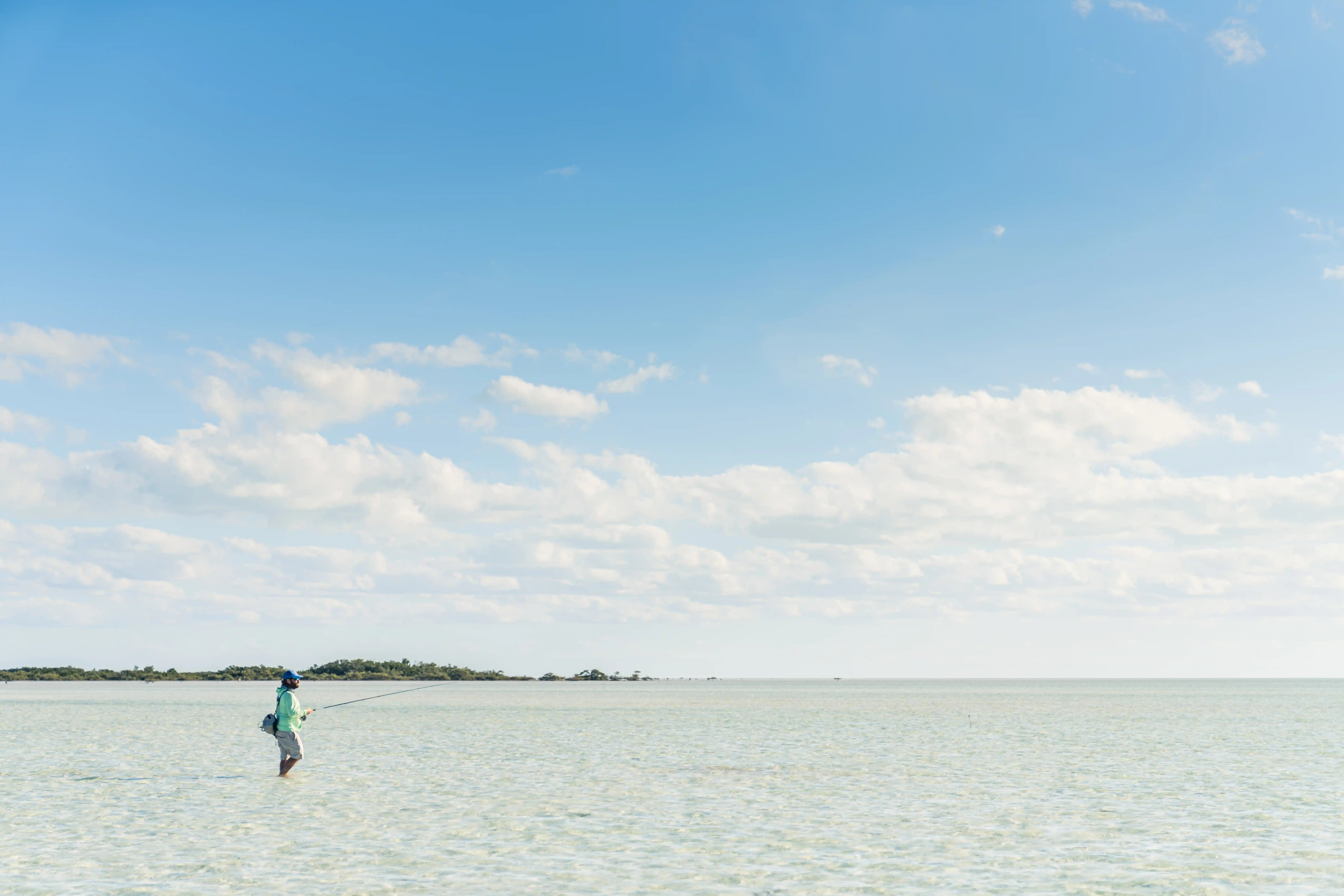
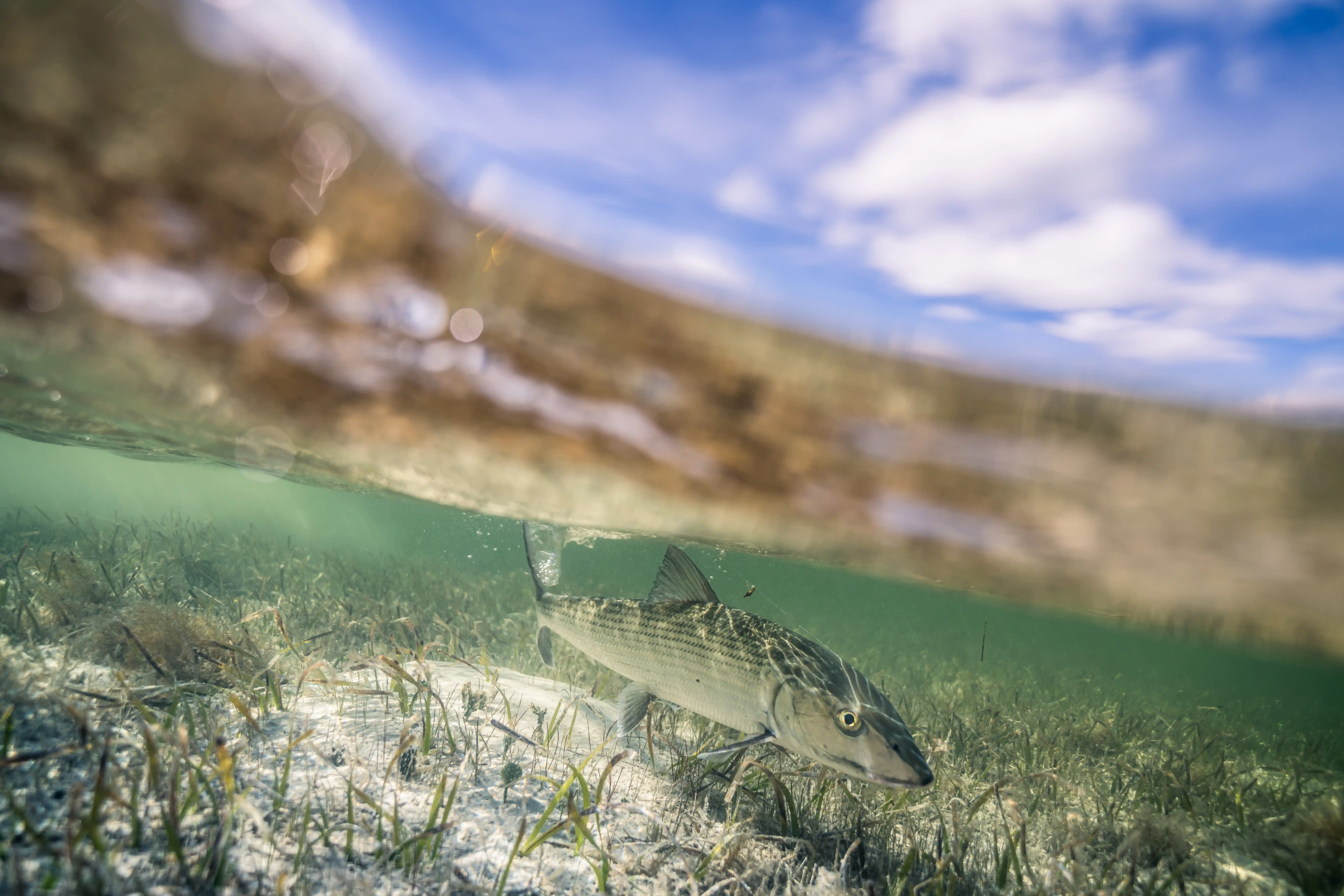
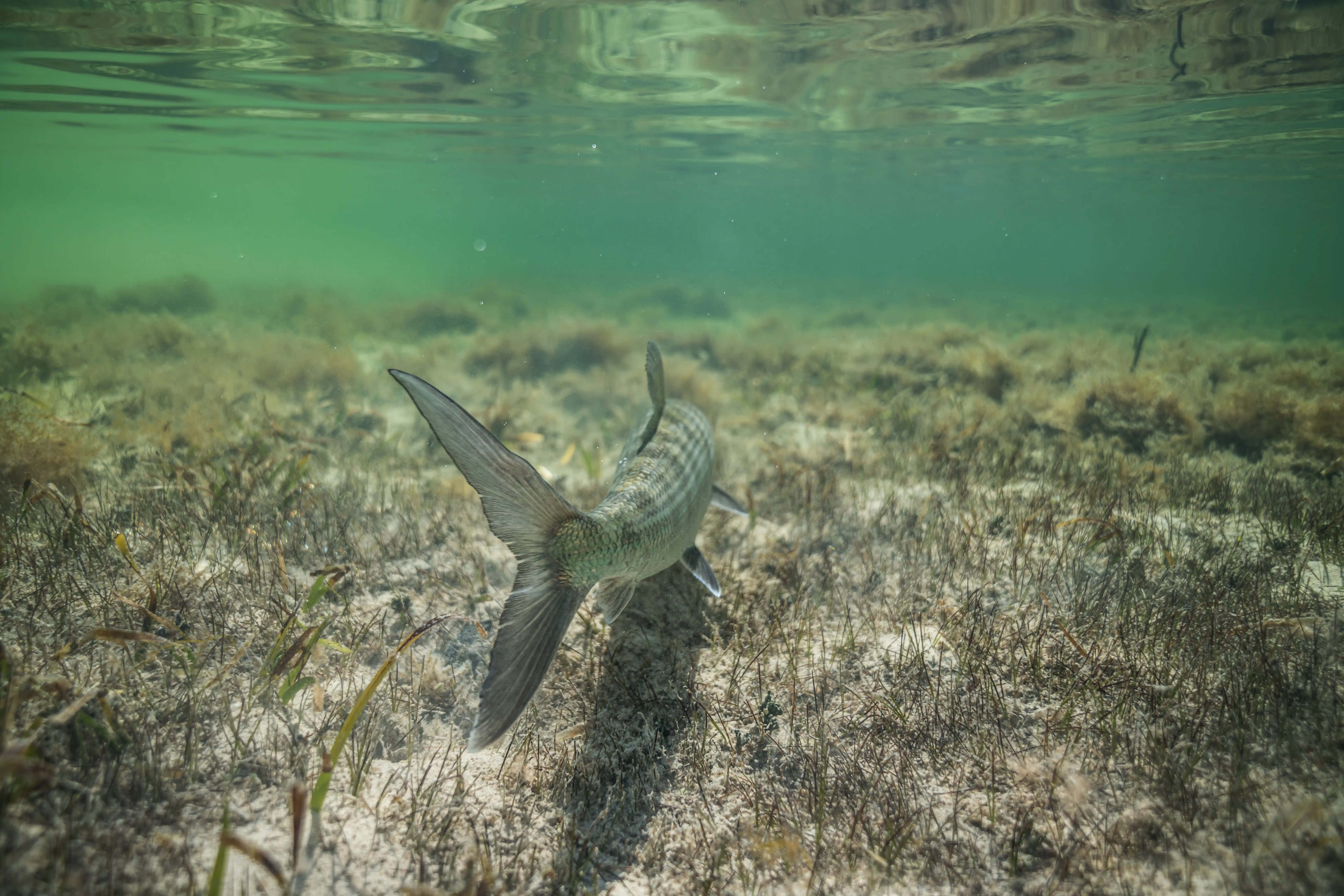
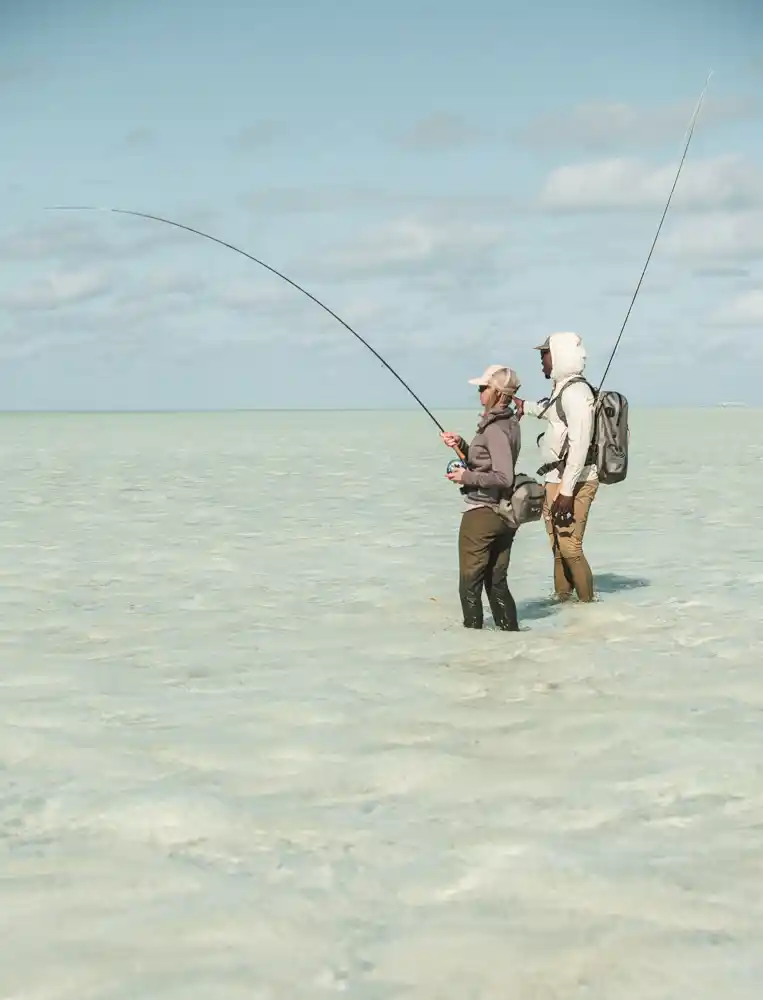
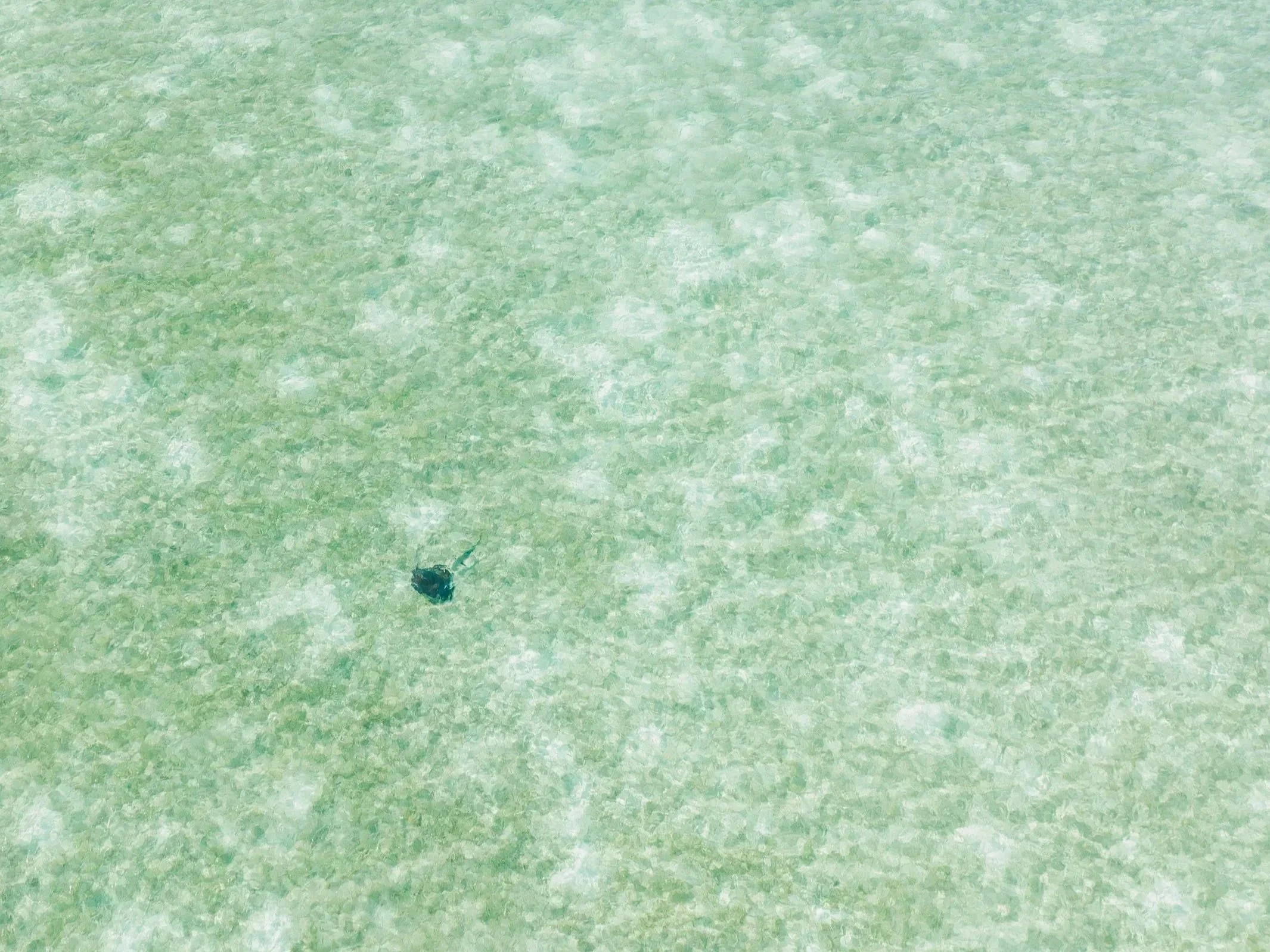
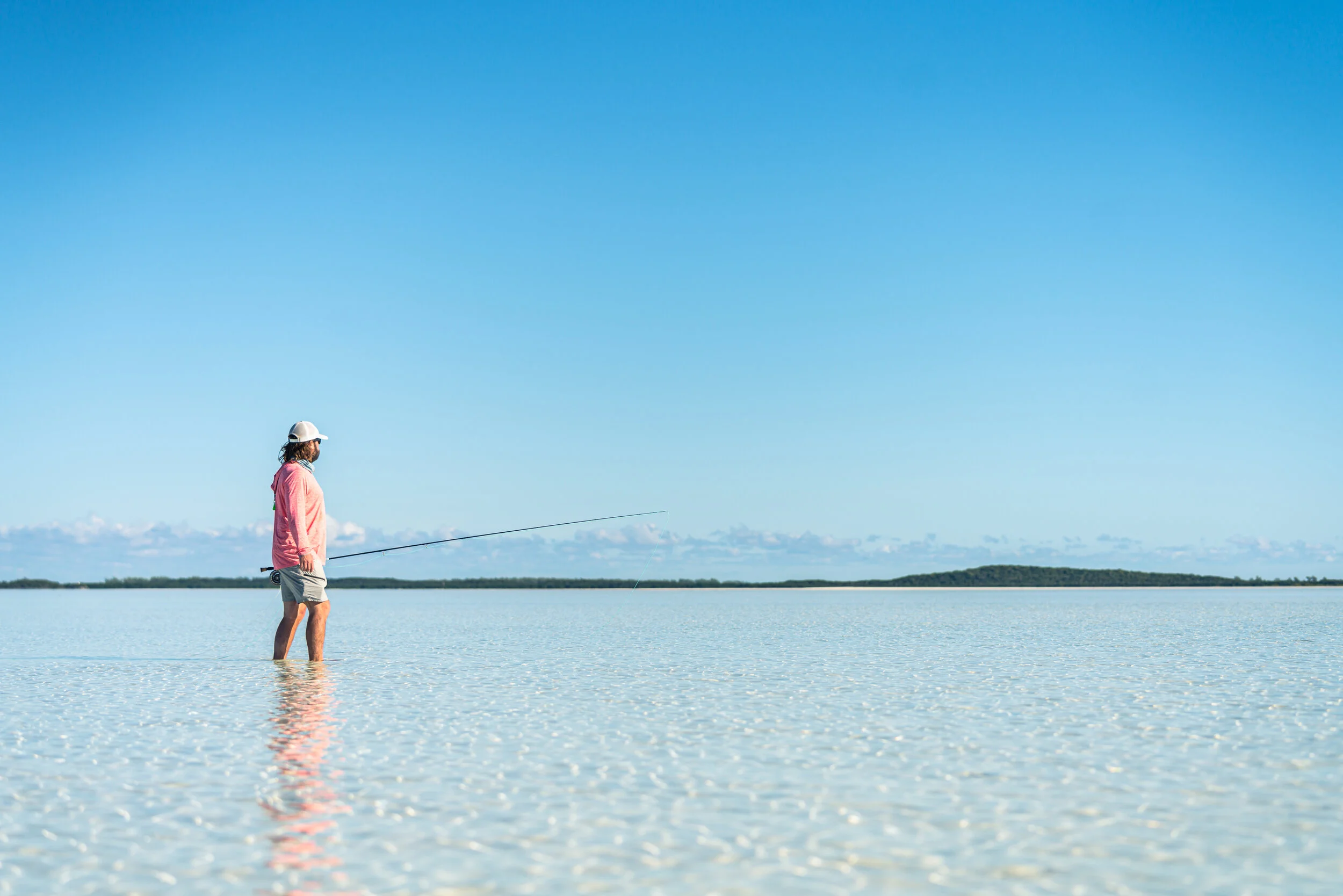
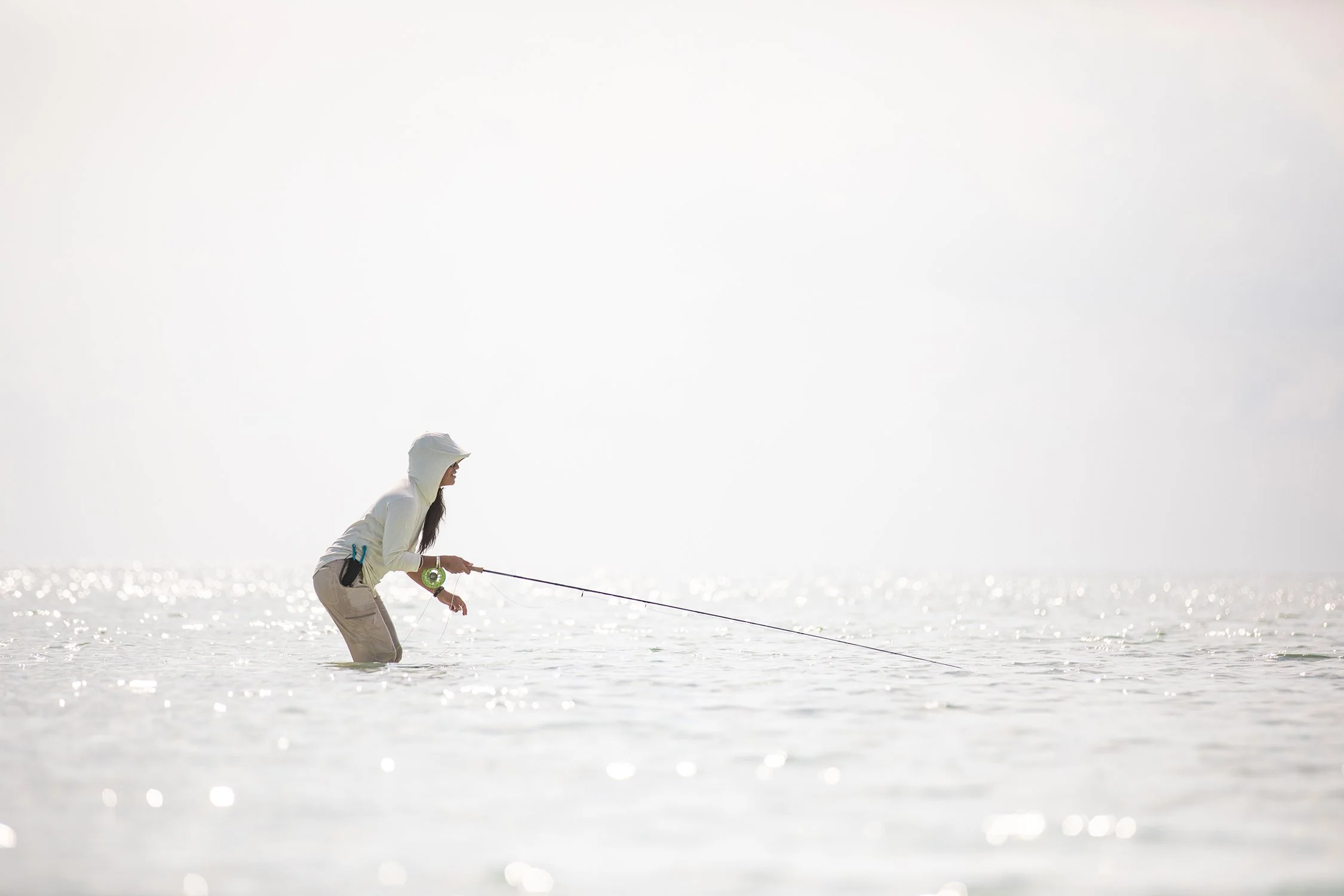
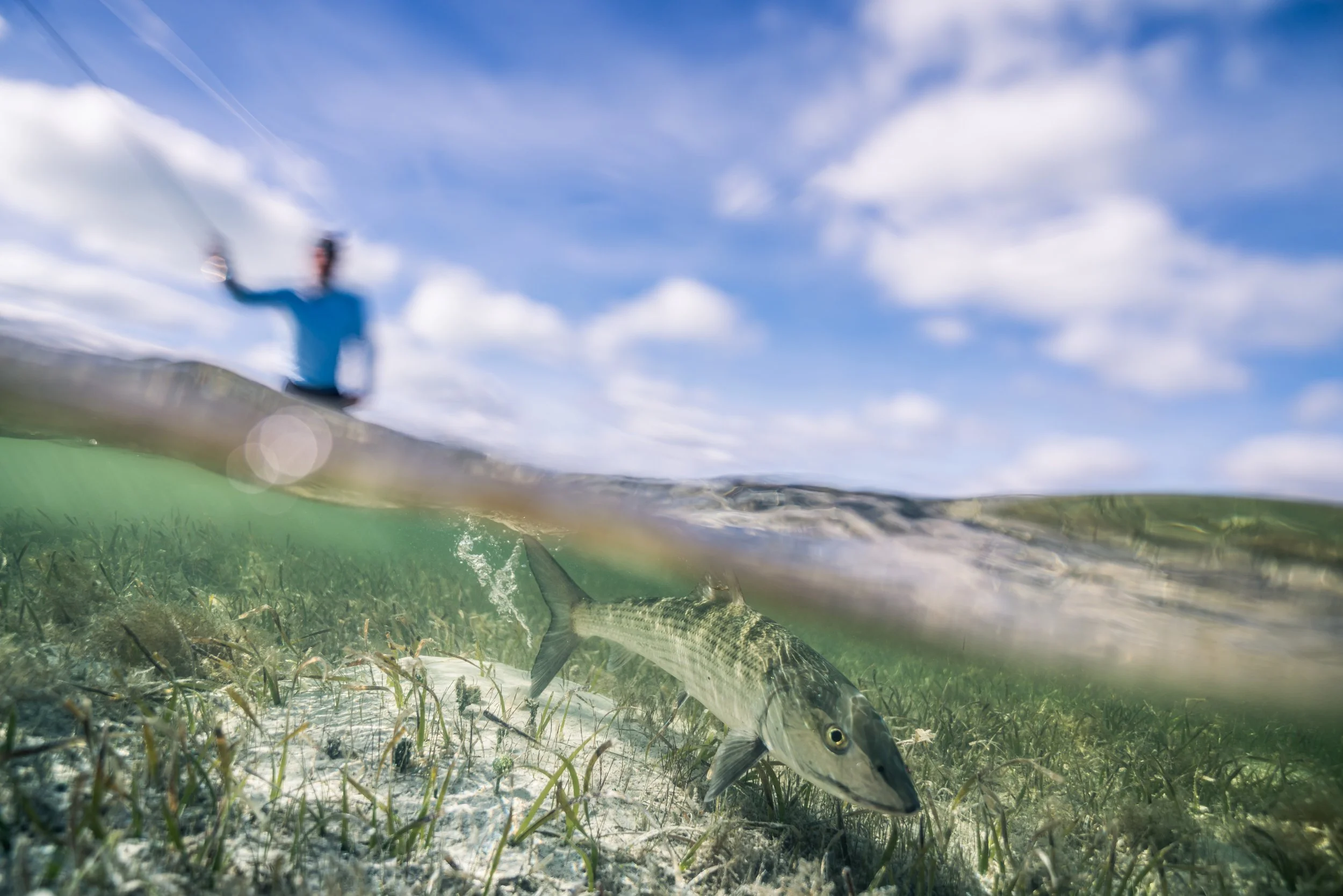
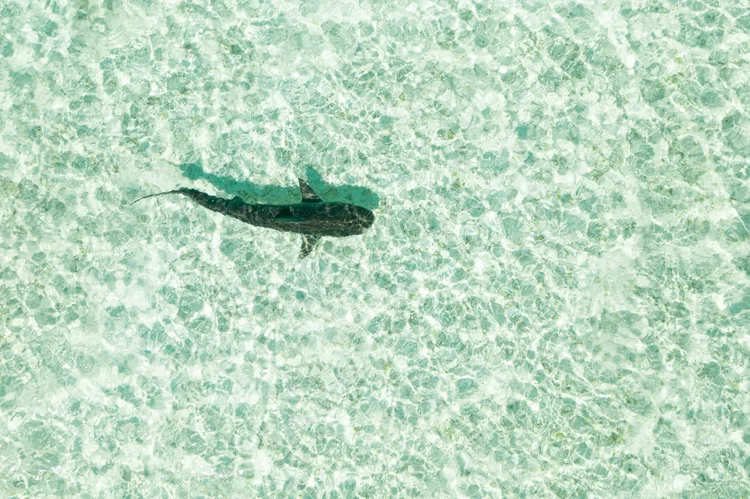
When we refer to ‘skinny water,’ we are talking about water depth that varies roughly from ankle-deep to the bottom of the calf. What’s special about this water depth is what it offers the bonefish: it strikes a balance between feeding opportunity and safety. Specifically, there’s still enough depth in skinny water for bonefish to cruise and hunt for prey, but it’s harder for large sharks or barracuda to be able to access, so the risk of predation for the bones is reduced.

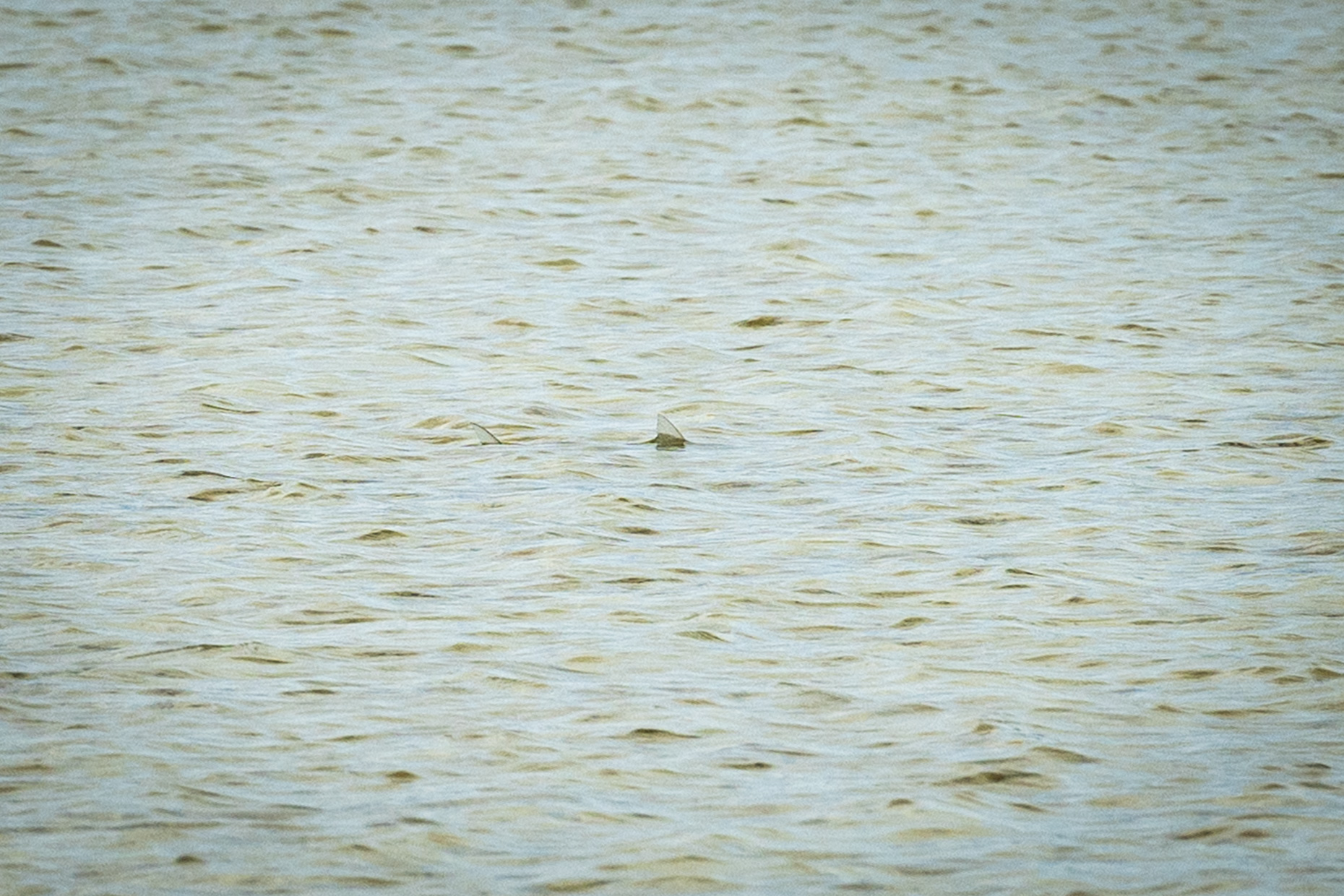
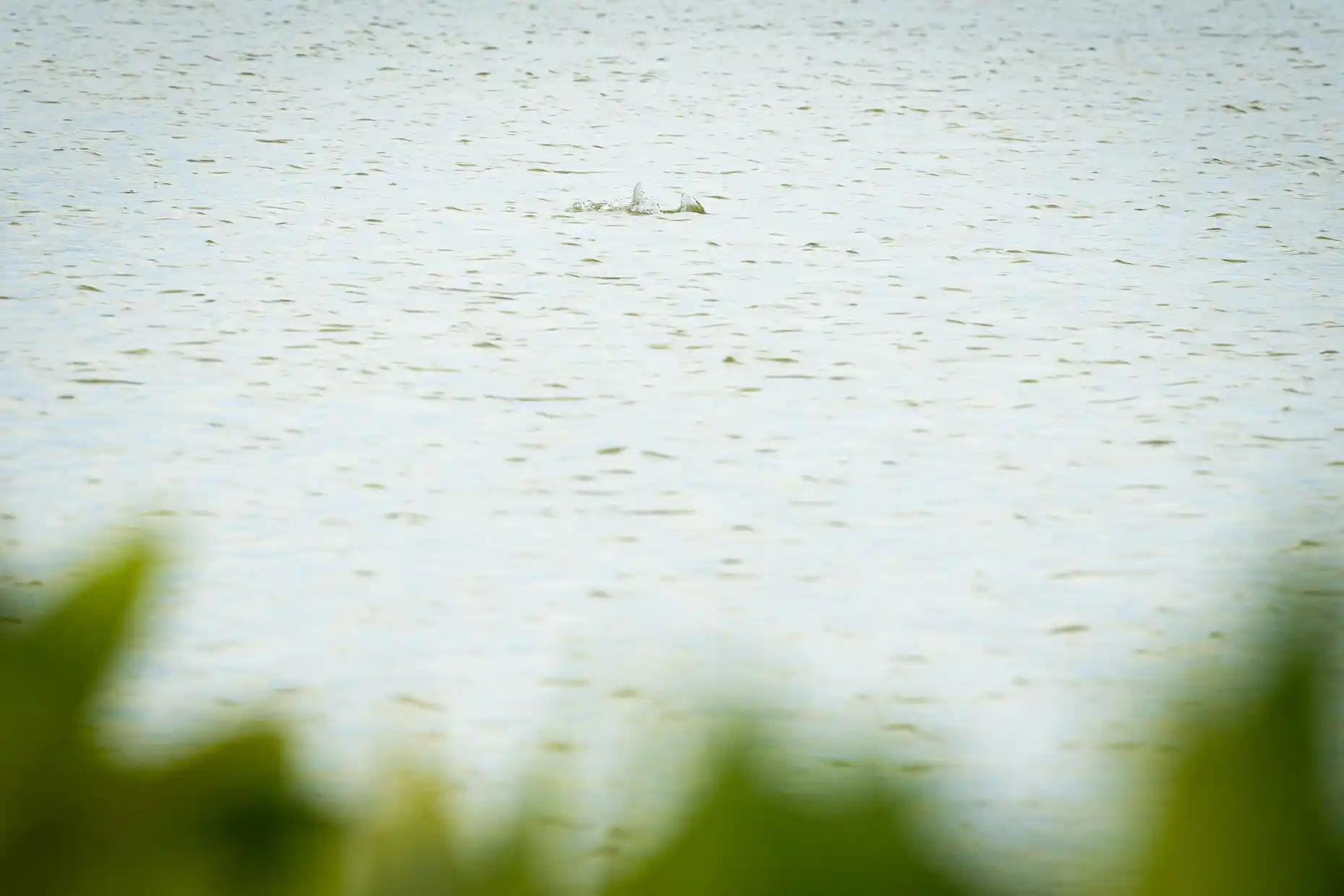
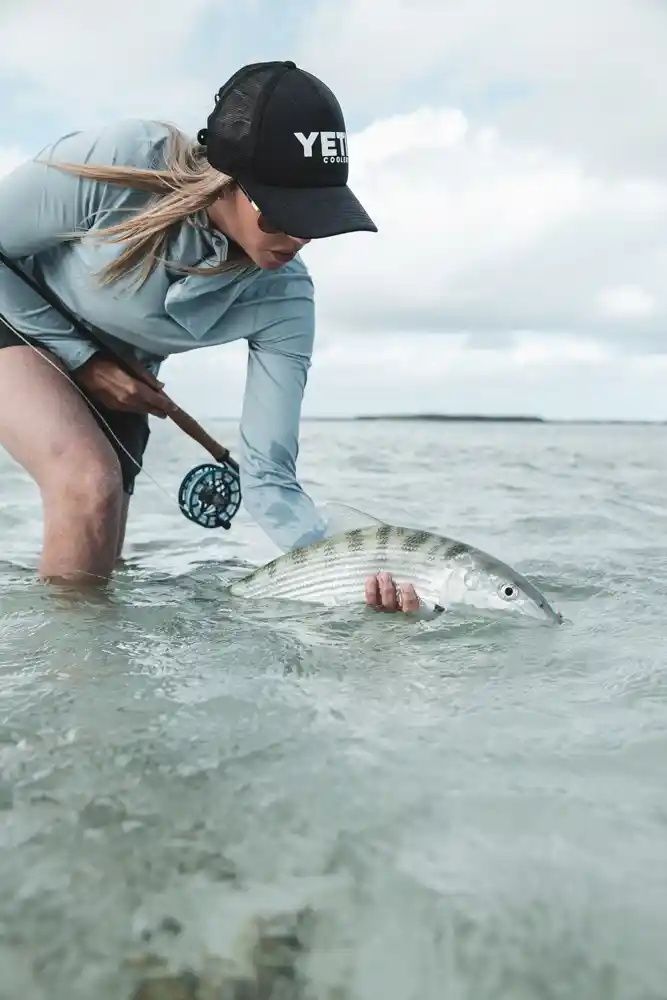
Bonefish understand this dynamic, and exploit it, meaning that when they are in skinny water, they are focused on feeding. Anglers can expect to see bonefish actively feeding with their backs and tails frequently – or even constantly – out of the water, creating muds on the flat, and following shrimp and other critters as they’re flushed from the bottom. It’s worth emphasizing: the shallow water makes for easier spotting and watching of the bonefish. Being able to see your target can not only allow you to more effectively present a fly, but there is a lot to learn by simply observing the movements and feeding behavior of these fish.
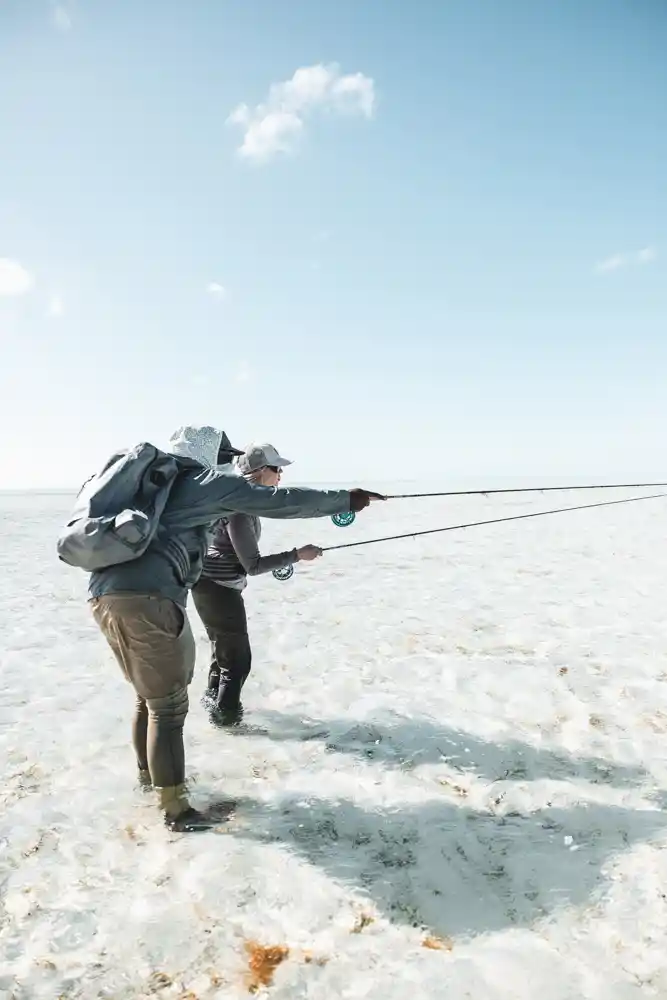
Still, keen fly anglers remain stealthy and move with purpose in skinny water. For while these bones are certainly in a feeding mindset, they are also on edge because they are exposed on the flat, only covered by a thin veil of water. Remember, as water depth shallows, fish are more likely to spook. So it’s imperative to wade slowly, reduce noise by maintaining hushed voices, and take footsteps that minimize disturbance in the water. Similarly, flies should land softly: fly casts should turn over gently and with precision as to not alert these shallow water feeding targets.
The Approach
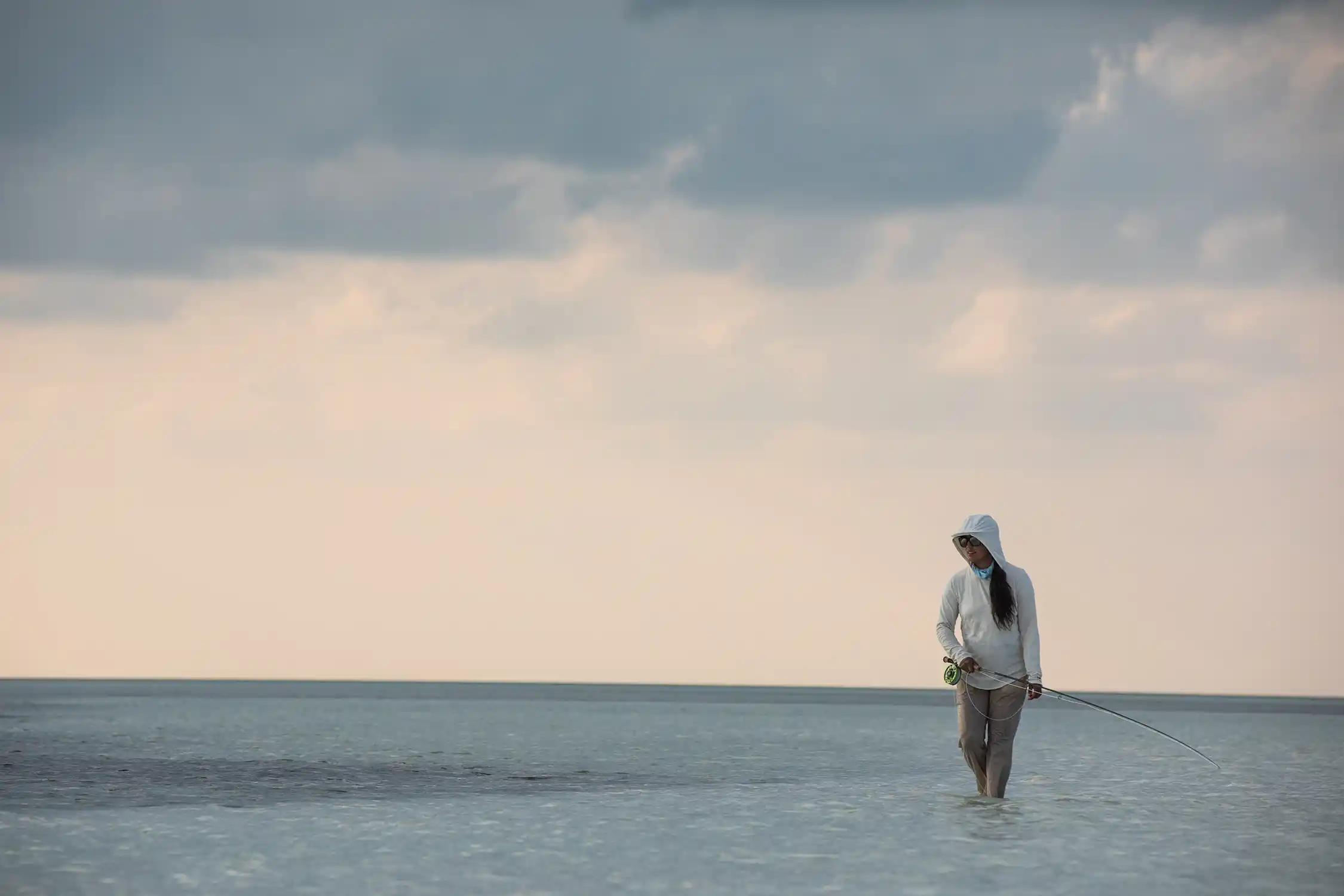
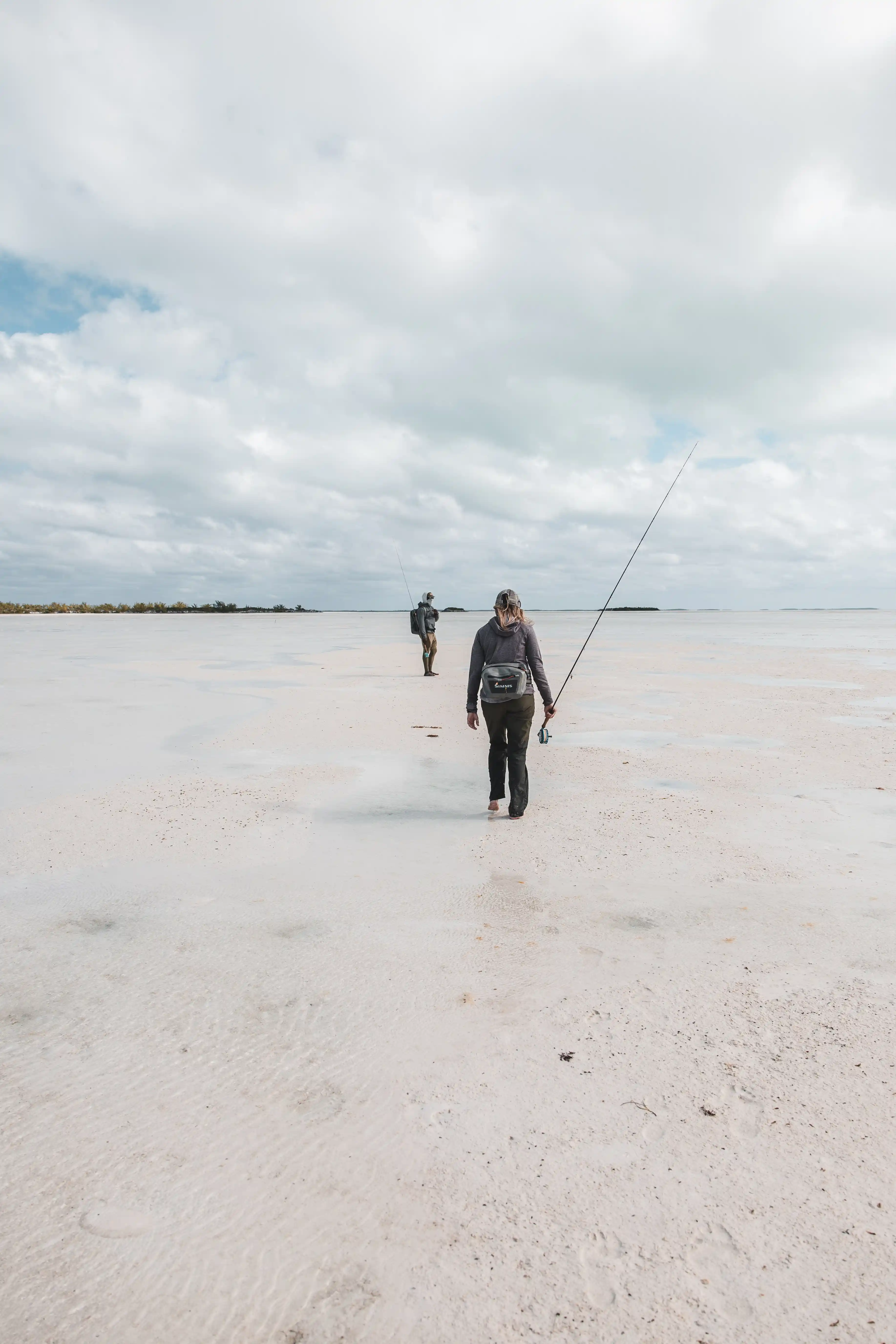
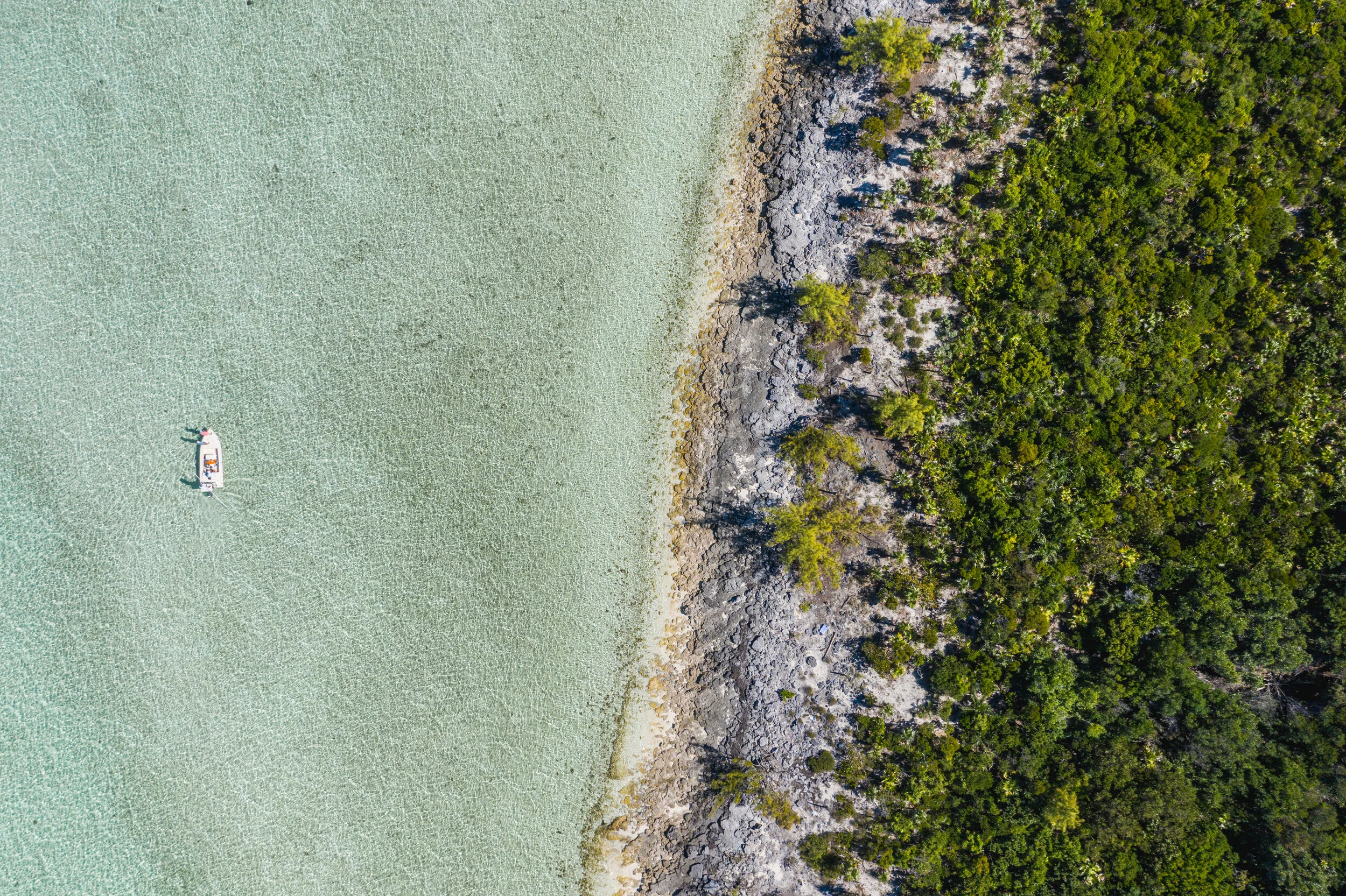
Depending on the situation, the guide may or may not accompany you into skinny water – they may need to remain with the boat, or it’s possible that two anglers venture in different directions. Regardless, guides will always share the game plan, and discuss the expected duration on foot as well as the area or zones to be fished. For some general information on preparing to fish while on foot, check out our blog post “Flats Fishing Ready Positions.”
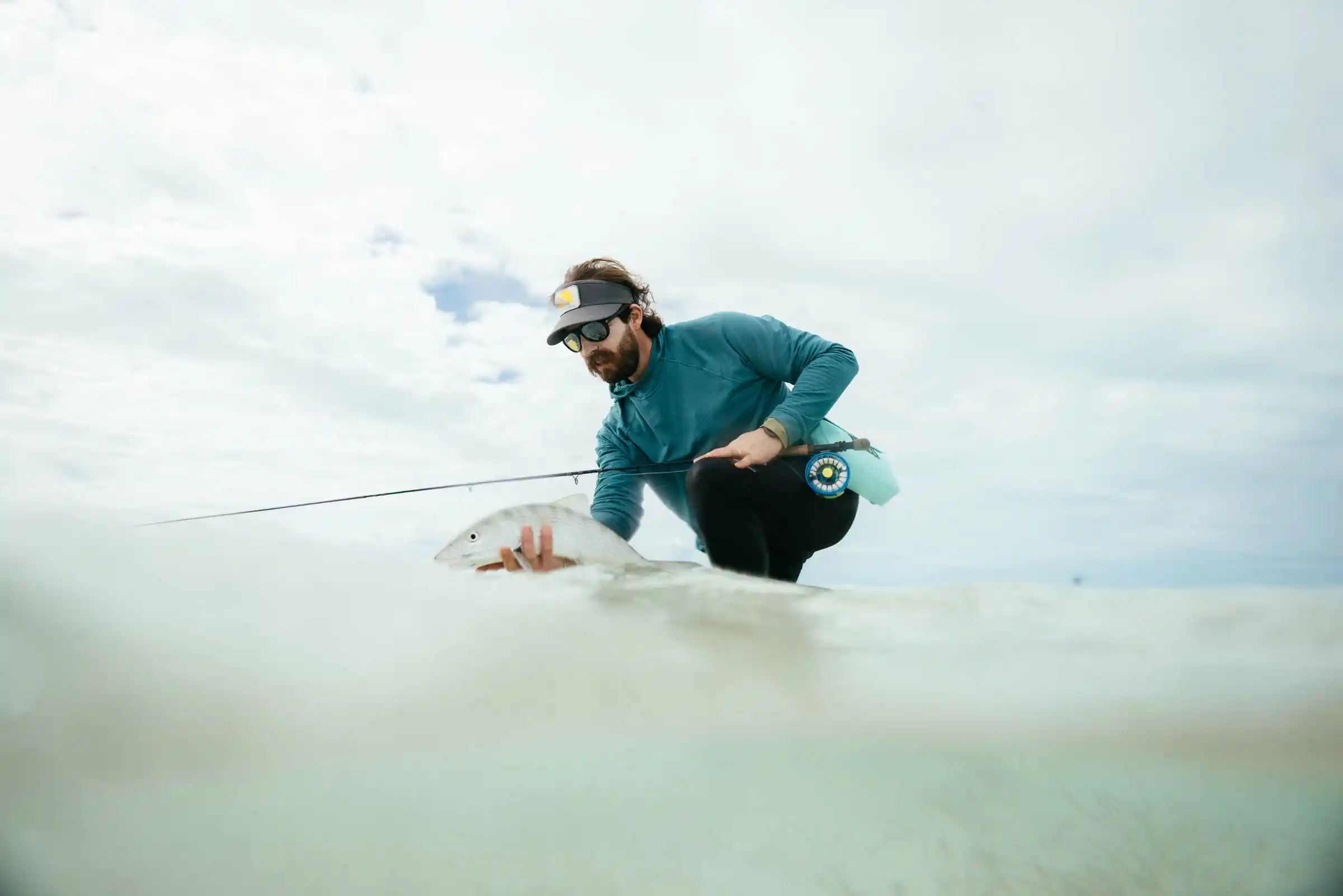
As mentioned, what’s key about skinny water is that it is deep enough for bonefish, but too shallow for large predators. Once on foot, until bonefish are spotted, it’s best to walk along this ‘transition,’ maintaining as much stealth as possible while also not disturbing the skinny water where fish are expected to be found. Walking in ankle-deep water is a good depth to start in, as you will clearly see tailing fish, and also have the ability to see fish sliding past in slightly deeper water.
Moving slowly will help to cut down on noise, and it will afford more time to look at the water, find fish, and interpret their behavior. If the air is calm, aim to match it yourself; remember that fish are spookier on very calm days as they can feel the slightest vibration. When looking for fish, scan the water at various distances and expect to see them! Lastly, consider the wind direction, and the bonefish’s traveling and feeding lanes when positioning yourself in skinny water; if at all possible, avoid having the wind blow directly into your casting shoulder.
Specific Skinny Water Scenarios
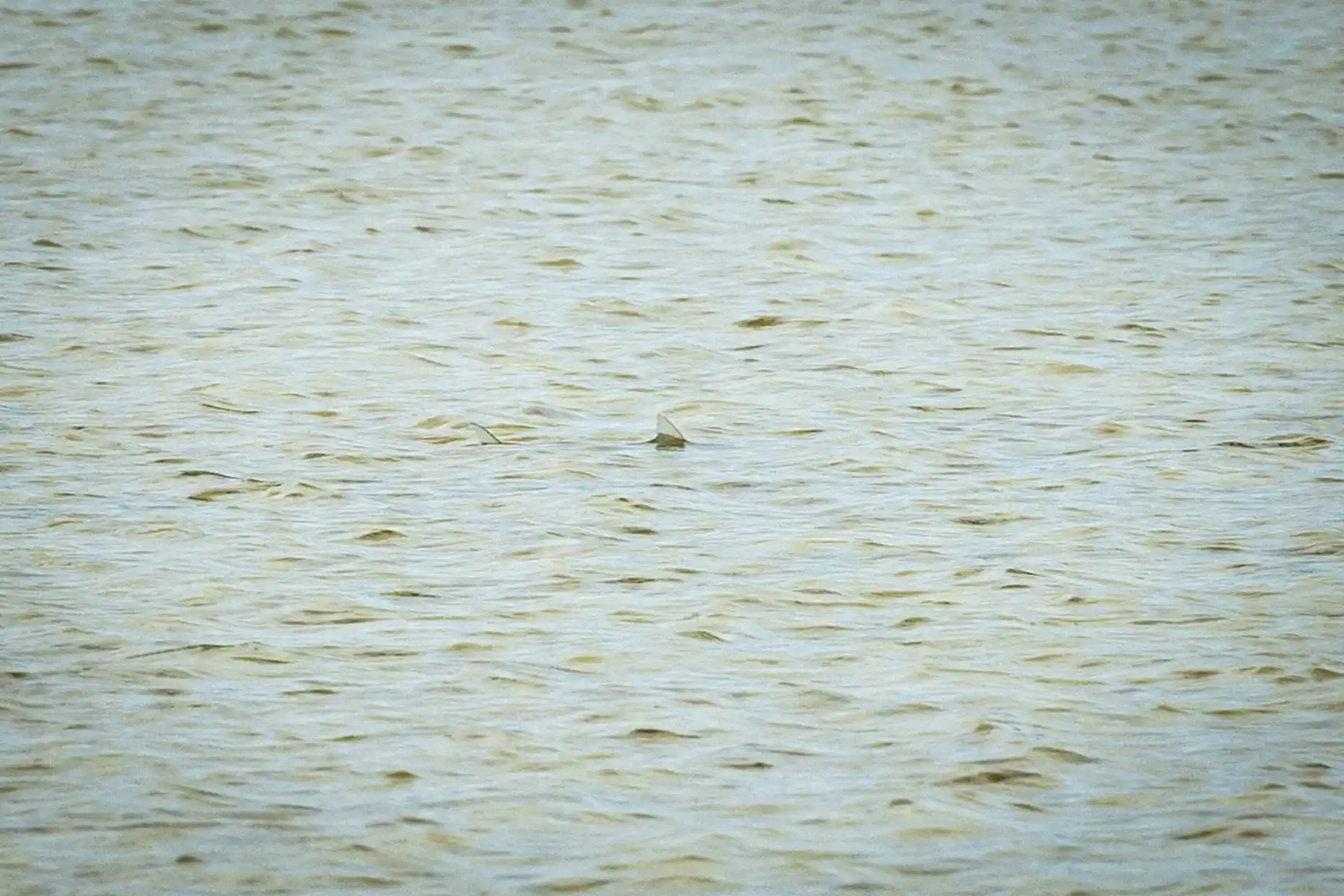
Within the skinny water, there are several specific scenarios to look for, and the angling approach is unique to each. Thanks to our friend, Florida-based graphic designer, artist, and conservationist Oona Watkins for these great visual representations!
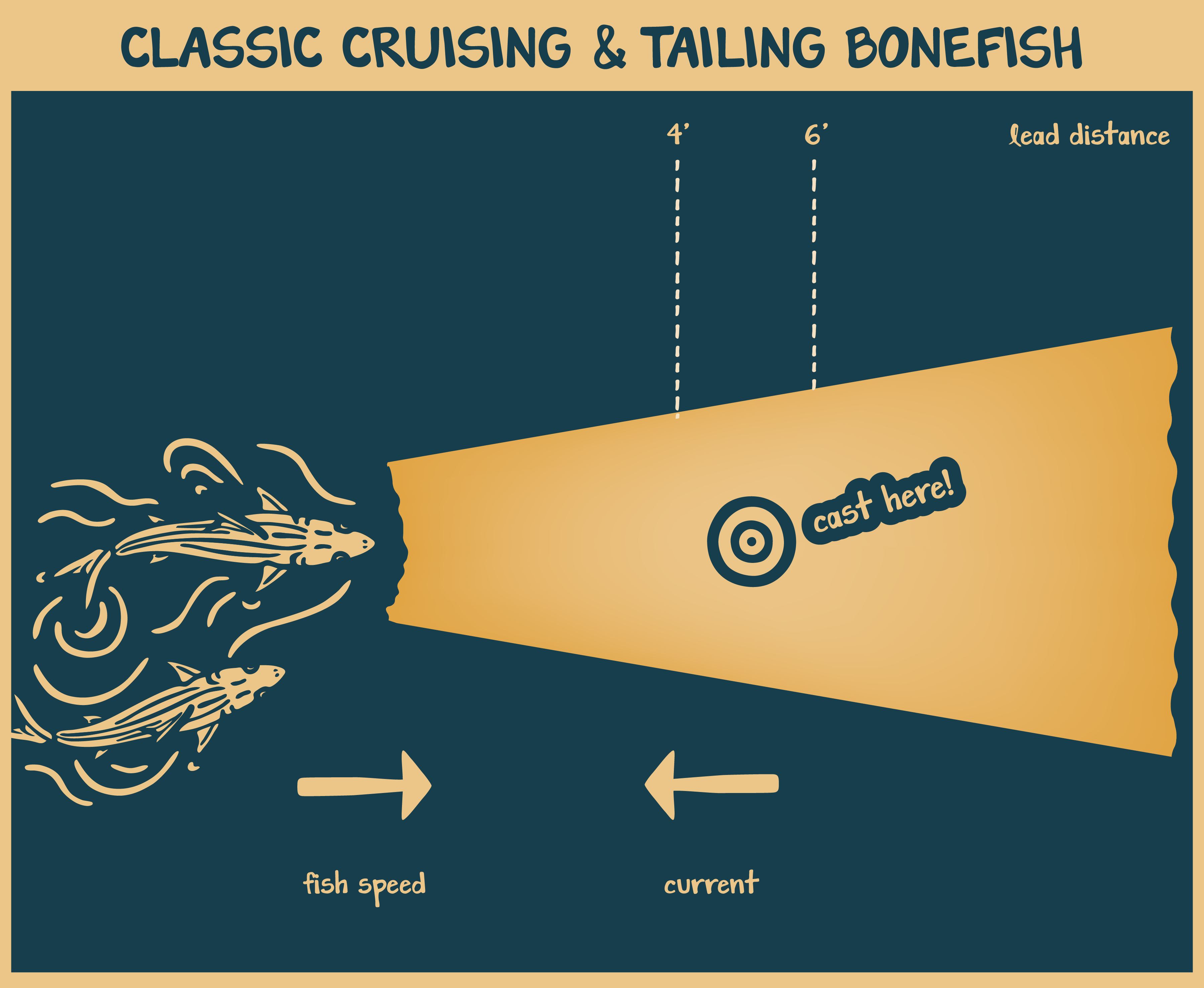
In this most common skinny water bonefishing scenario, we find fish cruising the flat, roughly at a walking pace. These are happy, actively-feeding bonefish, typically facing and feeding into the tide and current, but not always – anglers can predict where these fish are going, and can position themselves accordingly to intersect the fish. Ideal casts place lightly-weighted flies ahead of the bonefish by four to six feet, so they meet the fly while cruising.
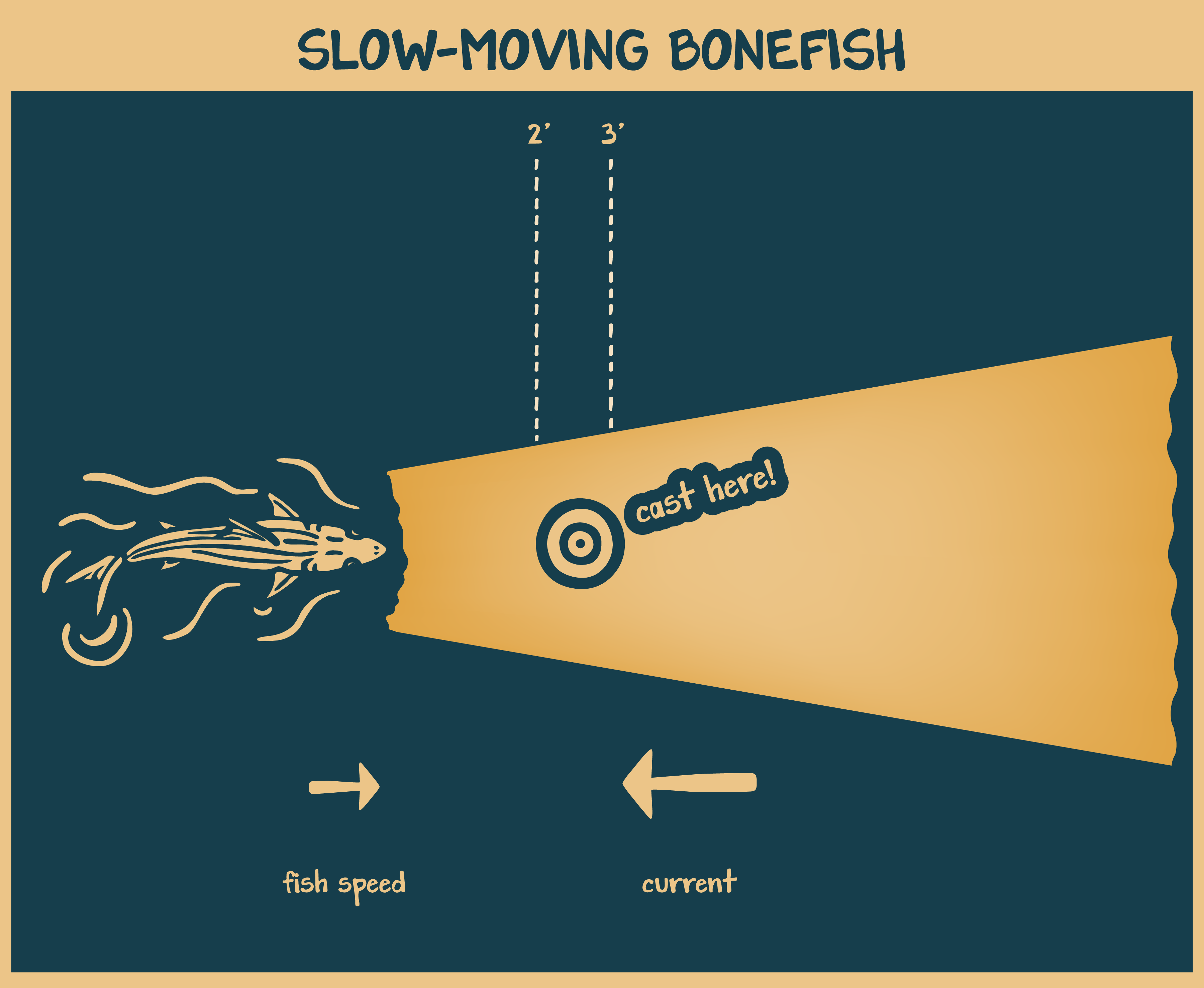
At certain times, bonefish in skinny water will move extremely slow, and may even appear as stationary on the flat. In these instances, the fish are letting the current of the tide bring their food to them, so the ideal shot lands a weightless fly two to three feet in front of the nose of the fish. To make such presentations, anglers themselves need to move toward the fish, so it’s important to maintain as much stealth and quiet as possible while doing so.
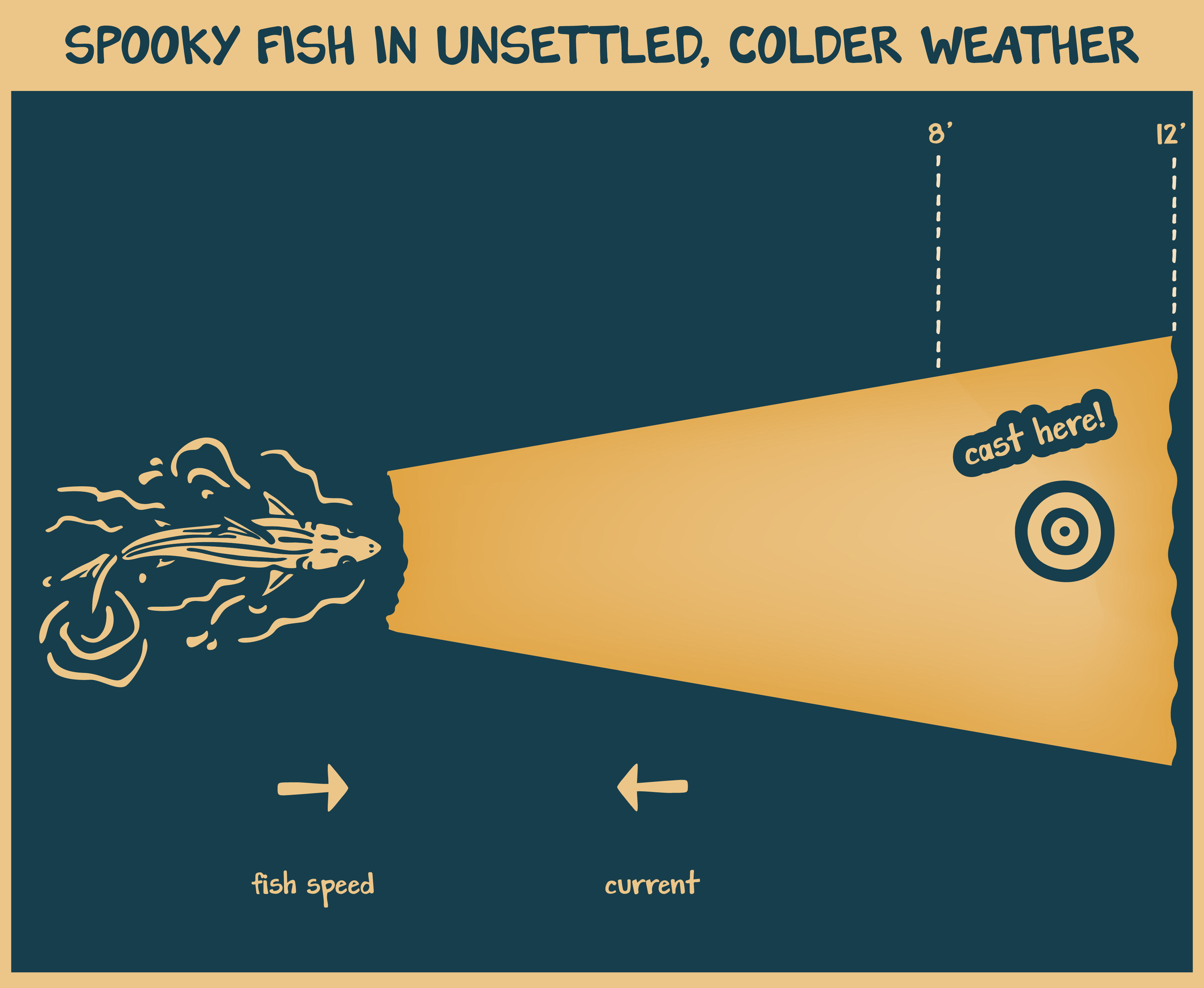
Passing cold fronts are always a possibility on any destination flats trip, and while they make for challenging and inconsistent conditions, it’s still possible to have productive fishing days provided we match our approach to the mood of the fish. When fishing skinny water in colder weather, we find bonefish that are nervous and very sensitive – all their sensory mechanisms and abilities to detect predators are heightened. Making undetected shots is key, and the need for stealth is maximized. Anglers should let the fish come to them as much as possible, aiming to lead the fish by eight to twelve feet; if possible, casts are made while on one knee or crouched down.
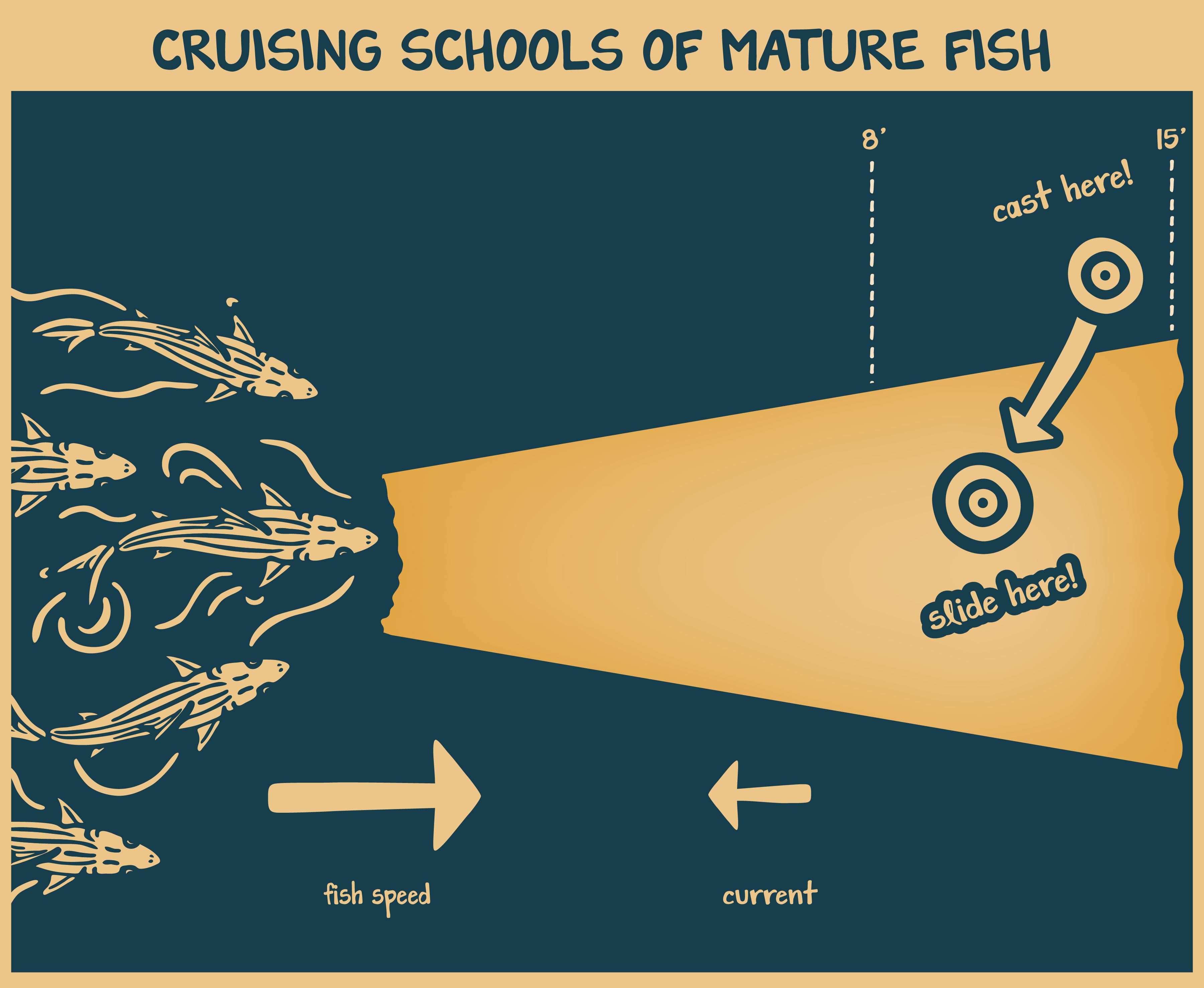
In the Berry Islands, it’s common to see schools of 50 or 100 or more fish cruising skinny water flats. When approaching such groups, consider them to be a single, traveling unit trying to stay safe. Within the group, there are many, many eyeballs on the lookout, and there are large, old, and wise fish within, all making for heightened awareness of predators. Longer leads are therefore necessary, and it’s also wise to ‘overcast’ across the school’s traveling lane and then slide the fly into position. The faster the school is moving, the longer the required lead, so we suggest leads of eight to fifteen feet, depending. When casting at a school, there’s a bigger sweet spot and better chance of showing the fish the fly, so cast across with a stealthy lead, and show the fly to multiple fish in the school. Given that there’s a lag between the presentation cast and when the school meets the fly, it’s also important to watch where the fly lands and maintain an understanding of where it settles.
Three Things to Remember
- Stealthy anglers succeed! We continually stress the importance of stealth, and for good reason: as soon our quarry becomes aware of our presence, the chances of success go down dramatically. Maintaining your veil of concealment sets the stage for good things to go down.
- Play within your skill set. If you have a good 40’ cast, ensure that’s the shot that you take. Lean into putting an effective, stealthy stock on your quarry and take the shot that you know you can make.
- Slow down, take your time and enjoy the moment. You’re surrounded by tailing fish, this is the moment you dreamed of for weeks, so, enjoy it! Take a deep breath and don’t rush. Slow is smooth and smooth is fast.
Conclusion
Bonefishing in skinny water is the most interactive form of the pursuit in that each fish or school of fish requires a unique presentation and fishing solution. The challenge, and the fun, comes in witnessing the behavior of the bonefish, and then adjusting tactics accordingly – sometimes the best approach is to simply wait and watch for a while. Anglers who are able to think critically about each scenario presented to them will not only be successful in their fishing that day, but will undoubtedly also become better anglers on the whole. It’s not always easy, but the difficult moments are also the opportunities for increased understanding.


.jpg)